
Commercial Roofing in Downtown Beverly, Beverly, MA
The roof plan for a Downtown Beverly property should reflect the building's current use and the owner's access requirements. Downtown business activity follows Cabot Street, while arts and cultural activity sits alongside several Beverly commercial centers and commuter-rail stations. Those uses make coordination with a property manager important; we confirm the occupants, event schedule, and access rules at the actual property. We confirm those conditions before the inspection. A roof inspection can document accessible surfaces, and a condition report can connect each finding with its roof zone and date.
Plan commercial roof inspection and repair in Downtown Beverly with owner-confirmed access, occupant protection, and a dated repair record.
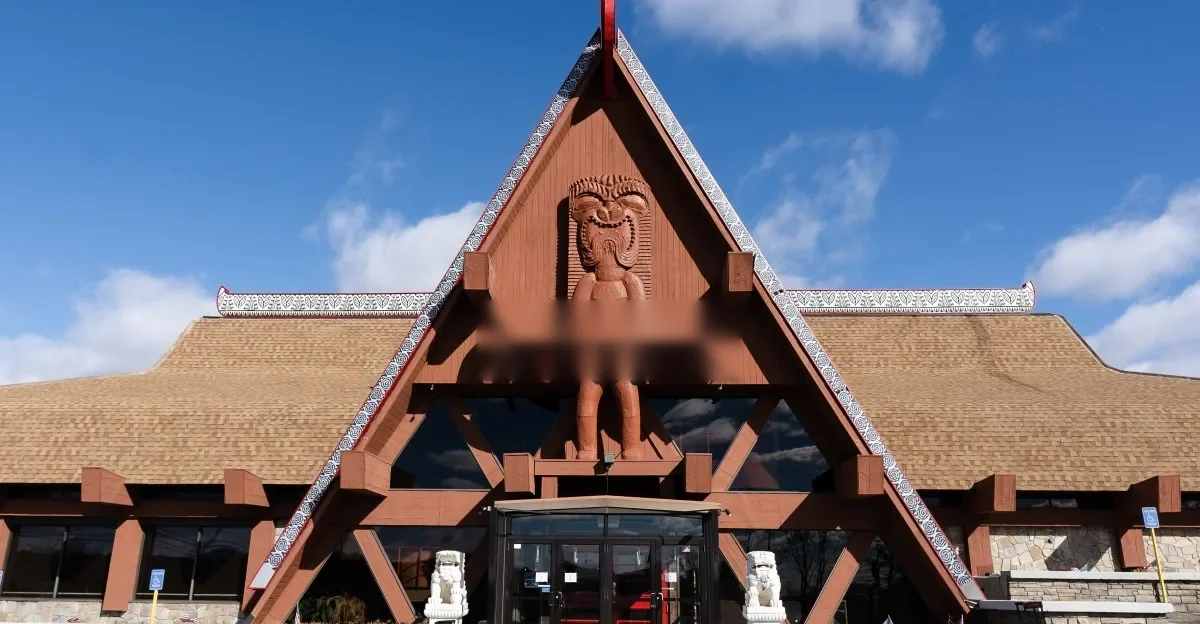
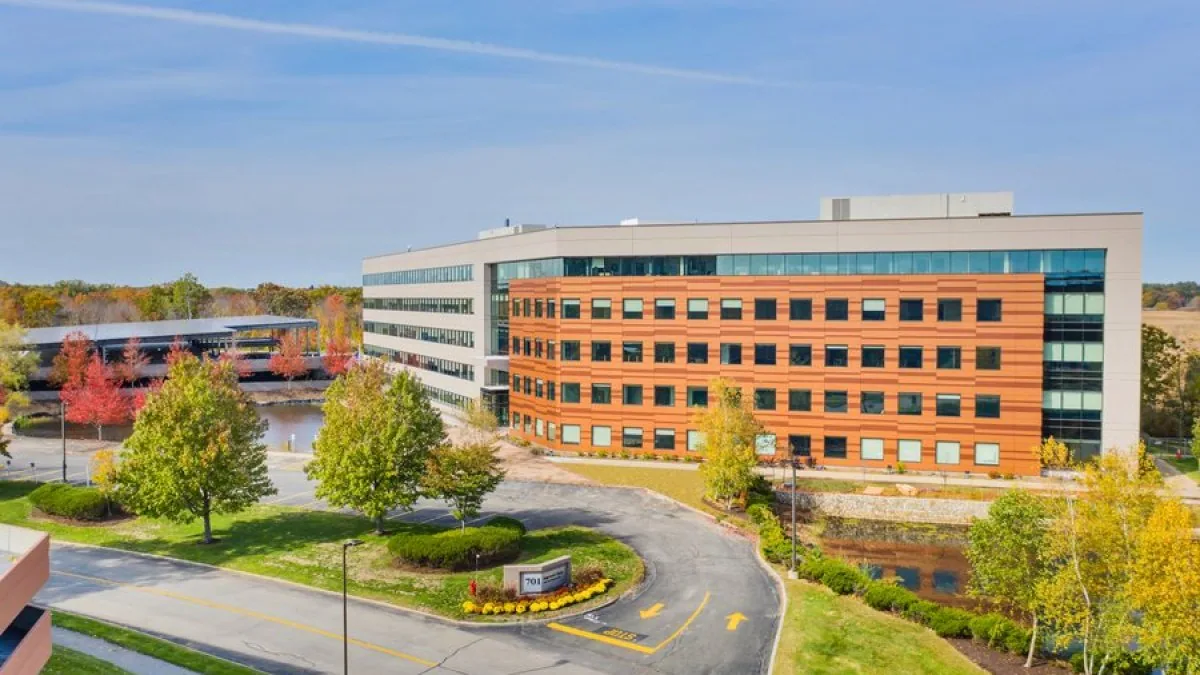
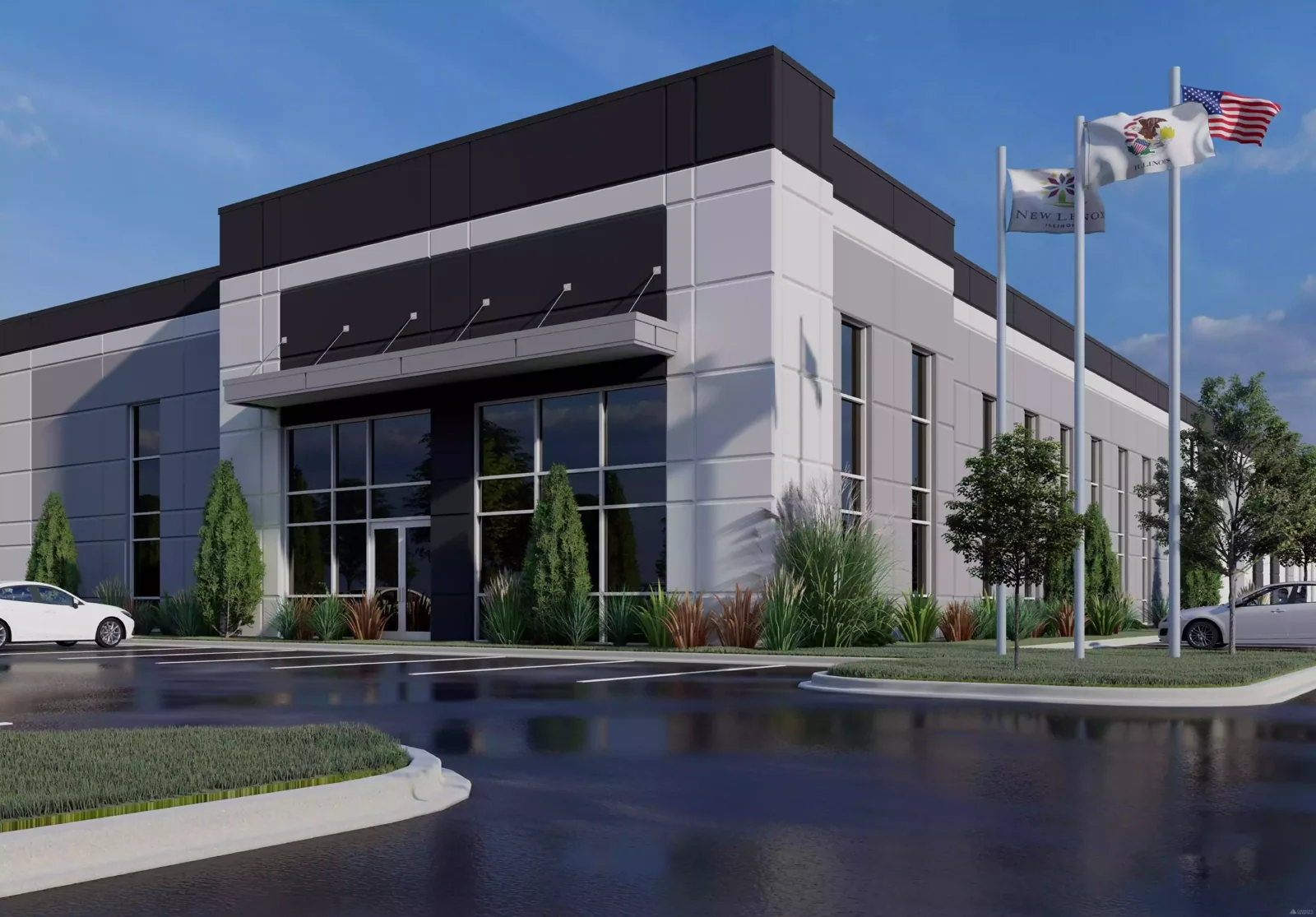
Access planning: coordinate around the building's actual activity
Before the crew arrives, the owner or manager confirms check-in, roof access, work hours, deliveries, and any public or tenant entrances that need to remain open. A downtown cultural center does not mean every property hosts an event, so we ask about current plans rather than infer a schedule. If an interior area needs protection or a short closure, identify the contact who can approve it. We can then plan staging, temporary dry-in, cleanup, and the point when an entrance or service area returns to normal use.
Beverly has several commercial centers and commuter-rail stations. The property manager provides the approved roof-access method, loading instructions, and any escort requirements for that building. If a roof zone cannot be reached under those arrangements, we state that limitation and identify what would allow a follow-up. That record helps the owner avoid treating an incomplete walk as a full evaluation.
Roof review: document the leak path and repair edge
We inspect drains, scuppers, roof seams, perimeter metal, penetrations, curb flashings, wall transitions, and visible prior repairs. When a tenant reports a leak, we note the affected room and time separately from roof evidence. We then look for a confirmed water path in accessible areas. A ceiling stain can persist after an old leak or have another cause, so the report does not call it an active roof opening without supporting evidence. Photos should show both the defect and enough surrounding roof to define a possible repair.
If concealed moisture or layers could change the decision, we can recommend a test opening or a suitable survey and describe what it should resolve. An infrared moisture review can help select an investigation area under suitable conditions; a thermal pattern still needs confirmation before wet insulation is included in a repair quantity. Drainage service can address a documented collection issue, while flashing repair should remain limited to an inspected detail.
If a test opening is approved, we agree on the roof zone, dimensions, interior protection, and method for restoring the assembly. The report records what each layer shows and whether the test answered the owner's question. If a concern remains beyond that opening, it should stay listed for review rather than be treated as resolved by a single sample.
Regional weather: set priorities without assuming roof damage
Boston Logan's climate brings cold winter periods, snowfall, warm summer days, and regular rain to the Lynn market. At Downtown Beverly, that seasonal pattern sets useful questions for the roof walk: where runoff exits, which edges are exposed, and how a work area can stay protected through a weather shift. We record drains, seams, curb transitions, and any current water path at the property, then connect each observation to the roof-zone map. If the manager has a prior condition file, the new photographs can use the same reference angle for a meaningful comparison.
Severe thunderstorms in southern New England can bring one-inch hail and damaging wind. After a storm, we inspect the property's edges, seams, and membrane, then document any change found. We compare the affected details with earlier records and distinguish an observed change from a suspected cause. The dated photo should include a stable roof reference, nearby seam or curb, and enough surrounding surface to show the repair boundary. If the manager has prior inspection images, we can match the same view and note whether movement, separation, or water entry has changed. Any feature outside the accessible area remains a separate follow-up item. Wind-damage assessment can document displaced edges or openings when those conditions are visible.
Repair scope: keep occupants protected during the work
A localized repair may fit a confirmed opening when surrounding materials remain stable. Recurrent leaks or concerns in several roof zones may call for further testing or a larger comparison. We state the work boundary, surface preparation, materials, staging, access, temporary dry-in, interior protection, exclusions, and any test assumptions. A repair proposal should not imply that uninspected sections are included. If the owner is considering a broader project, replacement planning needs a separate phasing decision and protection plan.
Cost and timing depend on roof size and height, access equipment, work hours, material handling, repair quantity, occupant needs, and what testing reveals. The building contact should identify scheduled activity that affects entrances or interior areas. We document owner-provided requirements and distinguish them from conditions that need field confirmation. If work can be completed by section, the sequence should say how each roof area will be left watertight and what temporary condition remains until the following shift.
For occupied properties, the project schedule should identify how an entrance, tenant area, or other sensitive location stays protected during each stage. We can describe the daily work boundary and the condition required before leaving the roof. That gives the manager a practical basis for notifying building users and confirming the end-of-day dry-in.
Closeout file: preserve a dated condition history
After the work, provide photos, materials, repair boundaries, preparation notes, test results, exclusions, and any follow-up recommendation. If part of the roof was inaccessible, identify the area and what arrangement is needed to review it later. Keeping a dated history with the property makes it easier for a new manager to separate current observations from completed repairs. A roof asset record can preserve those building-specific details for future inspection and budgeting.
Owners who also manage Cummings Center and Route 62 or Cherry Hill Industrial Park should retain separate site contacts, access instructions, and roof histories. Shared ownership does not make these areas or buildings interchangeable. To arrange a Downtown Beverly roof walk, share the building contact, reported area, available repair history, and any entrance or event constraints confirmed by the manager.
For a repeat visit, keep the same roof-zone labels and note which photographs are intended for comparison. That helps a manager judge whether a condition changed after repair or simply appears different from another camera angle.
Commercial Roofing Questions
Does Downtown Beverly's arts activity mean roof work must avoid event days?
Only if the property manager confirms that an event affects the specific building, entrance, or work area. We ask for current operating details instead of assuming the schedule from the district's cultural role.
Can a roof inspection be completed while tenants remain in place?
The owner should identify sensitive rooms, entrances, work hours, and protection needs. We plan access and sequencing around those constraints and state any limits that prevent a full inspection.
What should be checked after a reported downtown leak?
We document the reported room and time, then inspect accessible drains, seams, edges, penetrations, and flashings for a confirmed entry path. If evidence is incomplete, the report identifies testing or a return visit rather than guess at the cause.
Will commuter-rail access determine how your crew reaches the roof?
No. Citywide transit information does not define site access. The owner or manager provides the approved entrance, loading procedure, escort, and any restrictions for the property.
What should the repair record include?
Keep dated photos, materials, repaired zones, preparation, exclusions, test results, and any follow-up recommendation with the building file. This provides a clear baseline for later inspections.
Arrange a Downtown Beverly roof review
Provide the building contact, reported roof area, known repairs, access details, and any confirmed event or tenant schedule. We can document conditions and define the next step.
Back to Service Areas.