
Commercial Roofing for Public Agencies in Lynn, MA
A public roof project must leave a record that staff can use after the site walk and the approval meeting and later maintenance review. For agencies serving Lynn, MA, we identify the building use, roof zones, reported conditions, access rules, and the evidence behind each recommendation to support later repair decisions. The scope then separates a repair that can be measured from a concealed area that needs testing, with photos and a work boundary that can be reviewed by facilities, procurement, and finance. Government building roof work begins with that asset-specific record instead of a general condition label.
Commercial Roofing Lynn documents roof conditions, scope boundaries, and phased work for public agency buildings and facilities in the Lynn area.
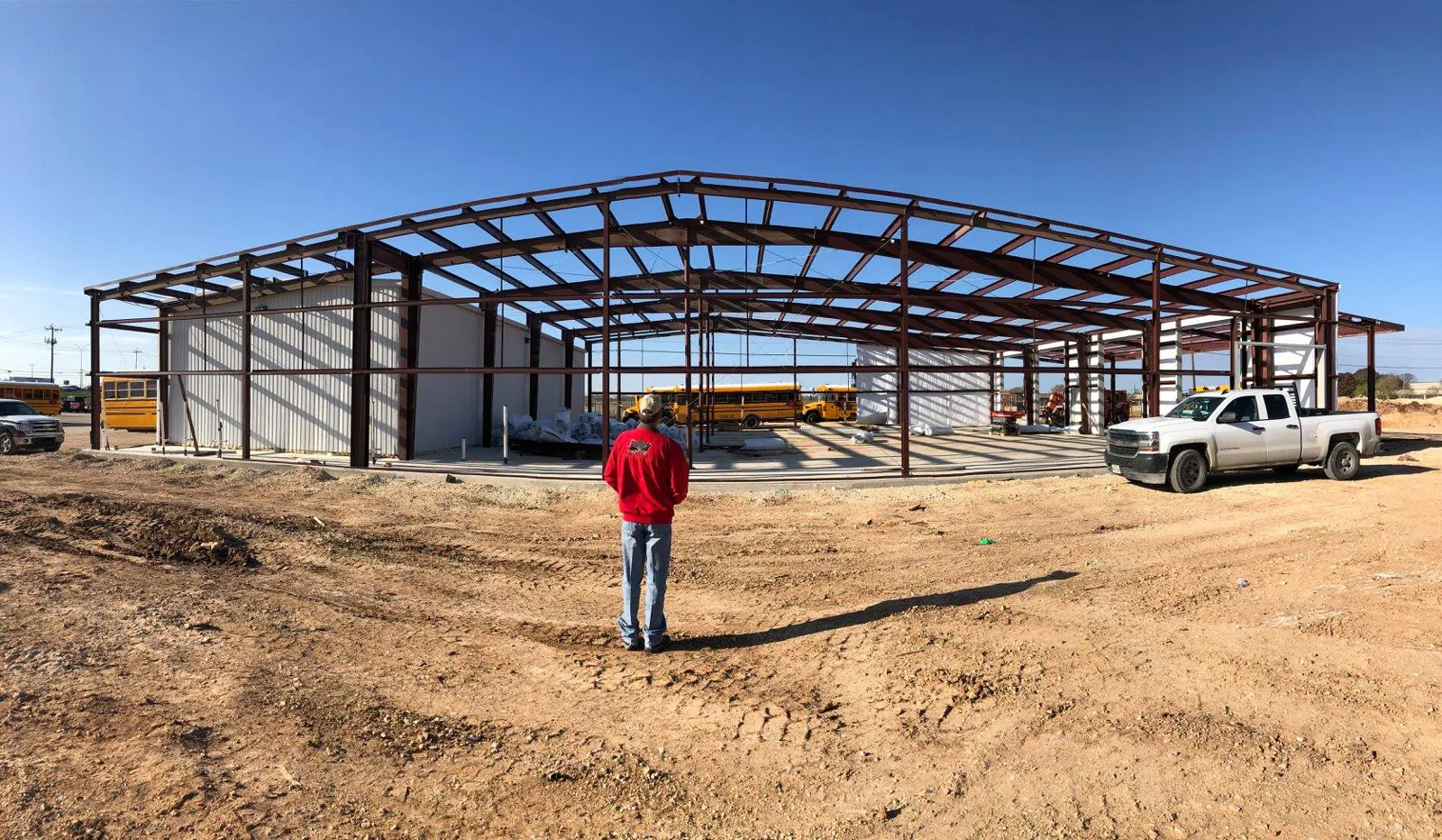
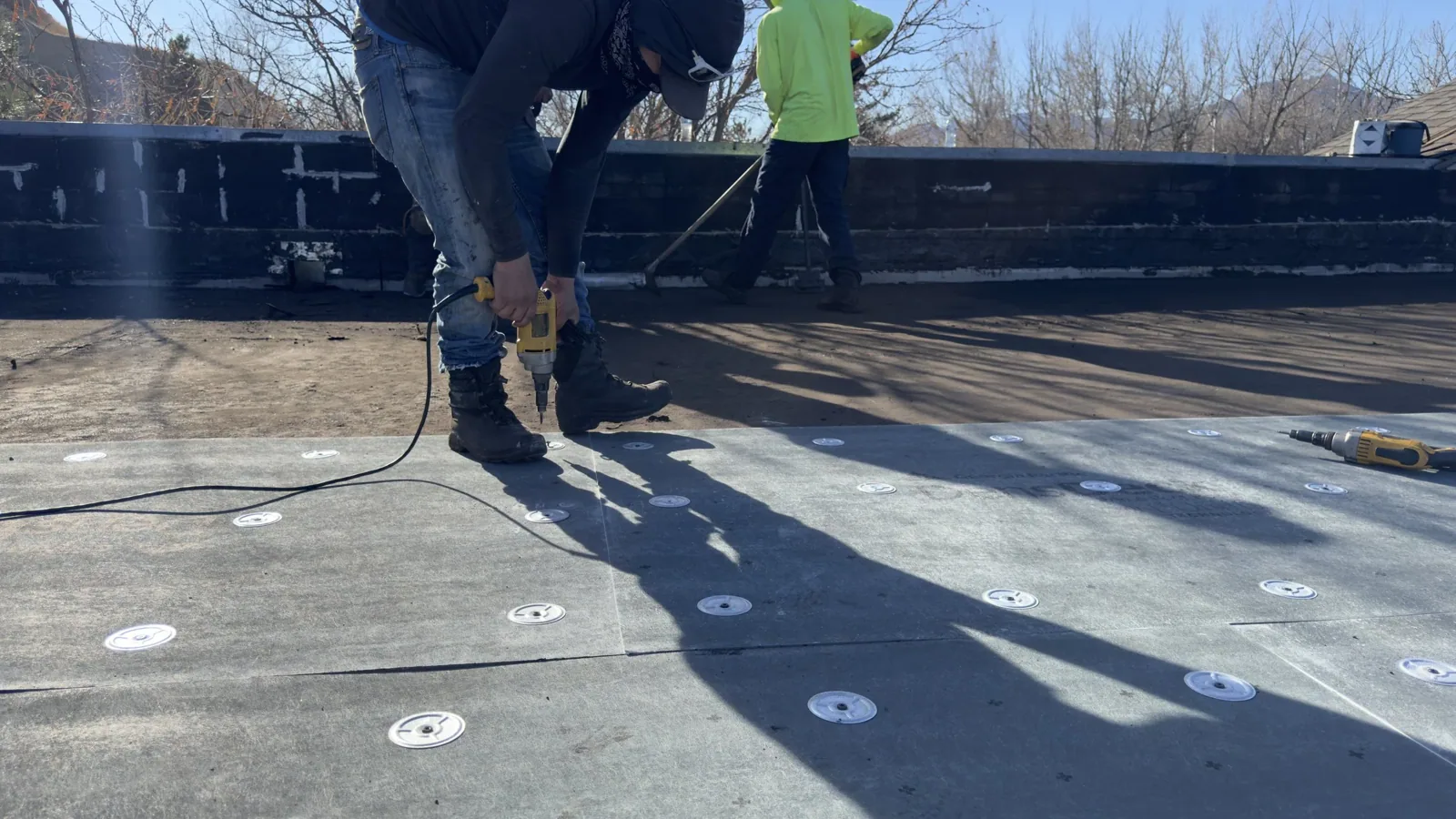
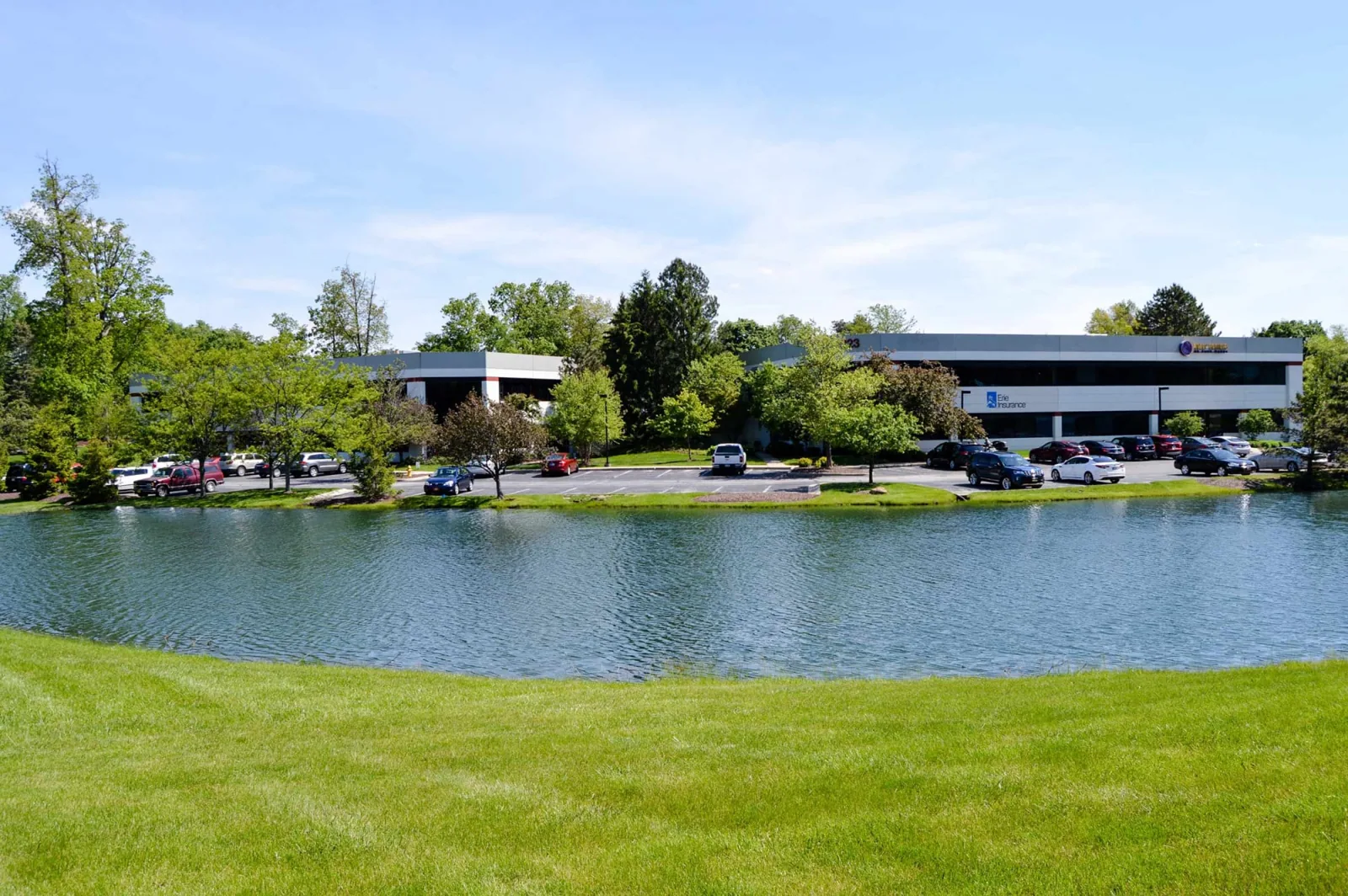
Procurement file: make scope and exclusions reviewable
A bid package should say which sections are included, what layers are assumed, how quantities were measured, what access and staging are required, and which conditions remain outside the scope. If the roof plan is incomplete, we mark that limitation and confirm field dimensions before the agency compares proposals. A repair boundary should also identify temporary protection and how a discovered concealed condition would be handled. A documented condition report gives reviewers photographs tied to roof zones, while a roof survey can help an agency evaluating a property before work is authorized.
State materials identify 780 CMR's current commercial building edition as an amended 2021 IBC framework and list 2021 IECC and ASHRAE 90.1-2019 for commercial energy provisions. The agency's design professional and authority having jurisdiction determine how those rules apply to its project. We give them the observed assembly and exact roofing scope, rather than represent a field inspection as a code ruling.
For a formal review, the agency may need a scope that can be evaluated consistently across bidders. We state the roof sections, quantities, material assumptions, work hours, cleanup requirements, temporary protection, and submission items in plain terms. Where access or testing could change the amount, that uncertainty is identified before pricing rather than hidden in an undefined allowance. If the agency needs alternates, we can describe each as a separate option with its own boundary and closeout requirements.
Public access: keep entrances and services in the sequence
Before work starts, we confirm the entrances, accessible paths, public service hours, emergency routes, delivery points, and roof access controls that the building must maintain. The agency names a contact for field changes and defines who can authorize a temporary closure. Each phase needs a clear work zone, safe separation, end-of-day dry-in, and a reopening check. If the site remains open during work, the schedule should say how notices will be provided and where vehicles or pedestrians will be redirected.
Across Lynn, Route 1A's Lynnway and Carroll Parkway support movement by several modes. Downtown Lynn's cultural district brings galleries, food businesses, retail, public art, and events into an active civic setting. For an agency building nearby, we confirm street access, public hours, and delivery routes with the facility contact. Downtown Lynn and the Lynnway corridor can orient a regional portfolio visit.
Condition evidence: connect the complaint to the roof zone
Boston Logan's climate record pairs a 24.3-degree mean daily low in January with an 83.2-degree mean daily high in July. For an agency roof, those seasonal endpoints help frame access windows and material handling; the facility's own drain paths and roof zones determine what must be checked before the public building reopens.
An agency condition file can group findings by building while retaining a separate roof map, access note, and photo sequence for each facility. We distinguish a confirmed defect from a suspected water route or an area not reached, then show which decision can proceed from the available evidence. If a test opening is needed, the proposed location, question, restoration method, and approving contact can be identified before that added work is authorized. This keeps a concealed condition from becoming an assumed bid quantity. We also record the date and weather tied to the reported symptom so later reviewers can compare it with earlier photos.
Work control: set phasing and closeout requirements
Public agencies often need the scope to identify inspection hold points, submittals, material documentation, daily reports, and the person authorized to accept a completed section. We can divide a larger roof project into phases with a named boundary, protection plan, and closeout photo set for each. If a hidden issue changes the quantity, the change should state the evidence and proposed adjustment so the agency can review it before the work expands. Replacement work and repair scopes should each retain their own quantities, assumptions, and exclusions.
At completion, the agency receives the repaired zones, materials, photographs, remaining items, and follow-up recommendation. The closeout record should support a future inspection and make clear what work was performed under the approved scope. School district facilities teams use comparable building-by-building files, while portfolio managers can carry consistent roof-zone labels across other asset types. The record remains specific to the agency's own buildings and approval process.
Scheduling also needs a point of control for weather delays and discoveries. The site representative should know how the contractor will report an exposed layer, request a decision, protect the roof, and document any approved change. We can include daily photographs and phase notes so an inspector or project manager can compare completed work with the approved quantities. That chain of information makes it easier to resolve a question during payment review or a later maintenance visit without treating an incomplete item as closed. Before award, the agency can also ask bidders to state exclusions, allowance triggers, and the turnaround expected for a concealed-condition decision, so schedule and budget controls are visible in the same review.
For phased work, the acceptance point should be clear for each roof zone: completed membrane and flashing, a protected tie-in, or a documented item awaiting another trade. We can tie progress photos and quantities to those boundaries so an inspector can compare field work with the approved scope. If a payment review or schedule change raises a question, the record identifies the phase, date, and authorized direction instead of relying on a later recollection. That is useful when agency staff or project representatives change during a multi-stage repair.
Commercial Roofing Questions
Can you format findings for a public procurement review?
We can provide a defined scope, measured areas, photographs, assumptions, access requirements, exclusions, and any condition that needs testing. The agency can use that information alongside its procurement rules and design requirements to compare the proposed work.
How do you treat a roof condition that cannot be seen directly?
We identify the limit of observation and describe whether a test opening, survey, or further design review would help. An untested area remains an open question in the record rather than a confirmed quantity or a reason to expand the repair without review.
Can a public building remain open during roofing work?
That depends on site routes, safety controls, noise, access, and the work area. We map the phase boundary and reopening checks with the agency contact, then state where a temporary closure or adjusted service window is required.
What belongs in the roof project closeout?
Keep the completed roof zones, material descriptions, final photos, approved changes, open exclusions, inspection notes, and recommended follow-up together. Those items let staff track the work even after the project team changes.
How should an agency separate storm damage from maintenance?
Record the event date and reported symptoms, then compare them with dated roof observations and prior repair history. We identify which conditions are consistent with the reported event and which remain routine maintenance or unresolved, without deciding insurance coverage.
Request a public facility roof review in Lynn
Share the facility use, public access needs, roof plans, reported conditions, procurement timing, and responsible contact. We will return reviewable findings and scope options.
Back to Industries We Serve.