
Government Building Roofing in Lynn, MA
A leak over a public counter, records room, or municipal work area needs a roof-zone finding before the repair quantity is set. We compare the interior report with the roof plan, inspect seams, drains, wall transitions, and curbs, then record the visible defect and any area that remains concealed. The closeout separates an observed opening from a suspected path, which gives facility staff a reviewable basis for a work order or bid scope.
Public buildings stay in use through service hours, meetings, deliveries, and emergency functions. The building contact identifies restricted rooms, public entrances, secure areas, and the access window before a crew mobilizes. Lynn’s municipal planning includes a waterfront framework and a downtown cultural district, but those citywide facts do not define a specific building’s roof or operations. A commercial roof inspection starts with the property record and marks the limits of the work actually reached.
Document Lynn government roof repairs with public-access planning, code review, drainage checks, and clear bid scopes tied to roof zones.
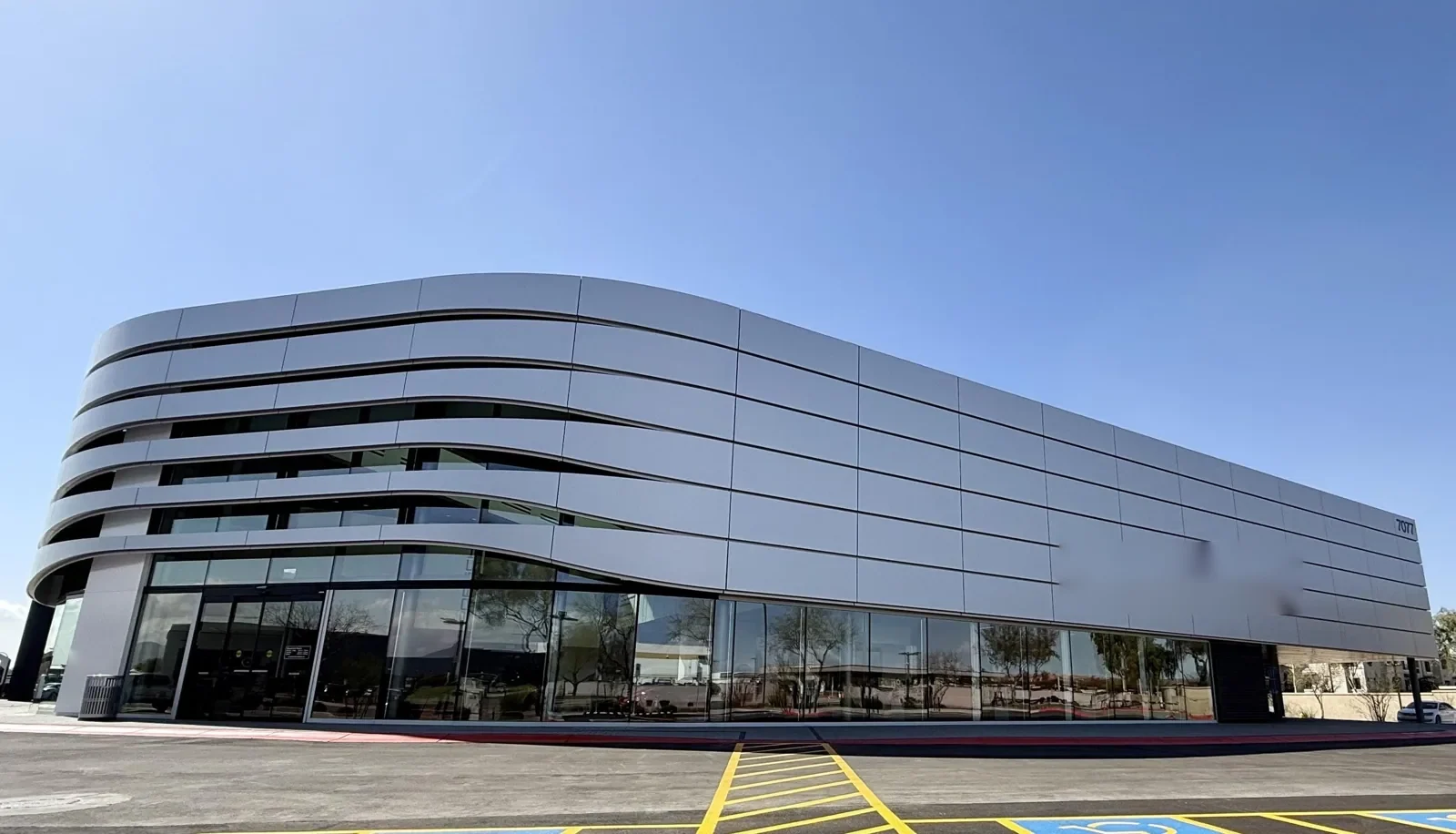
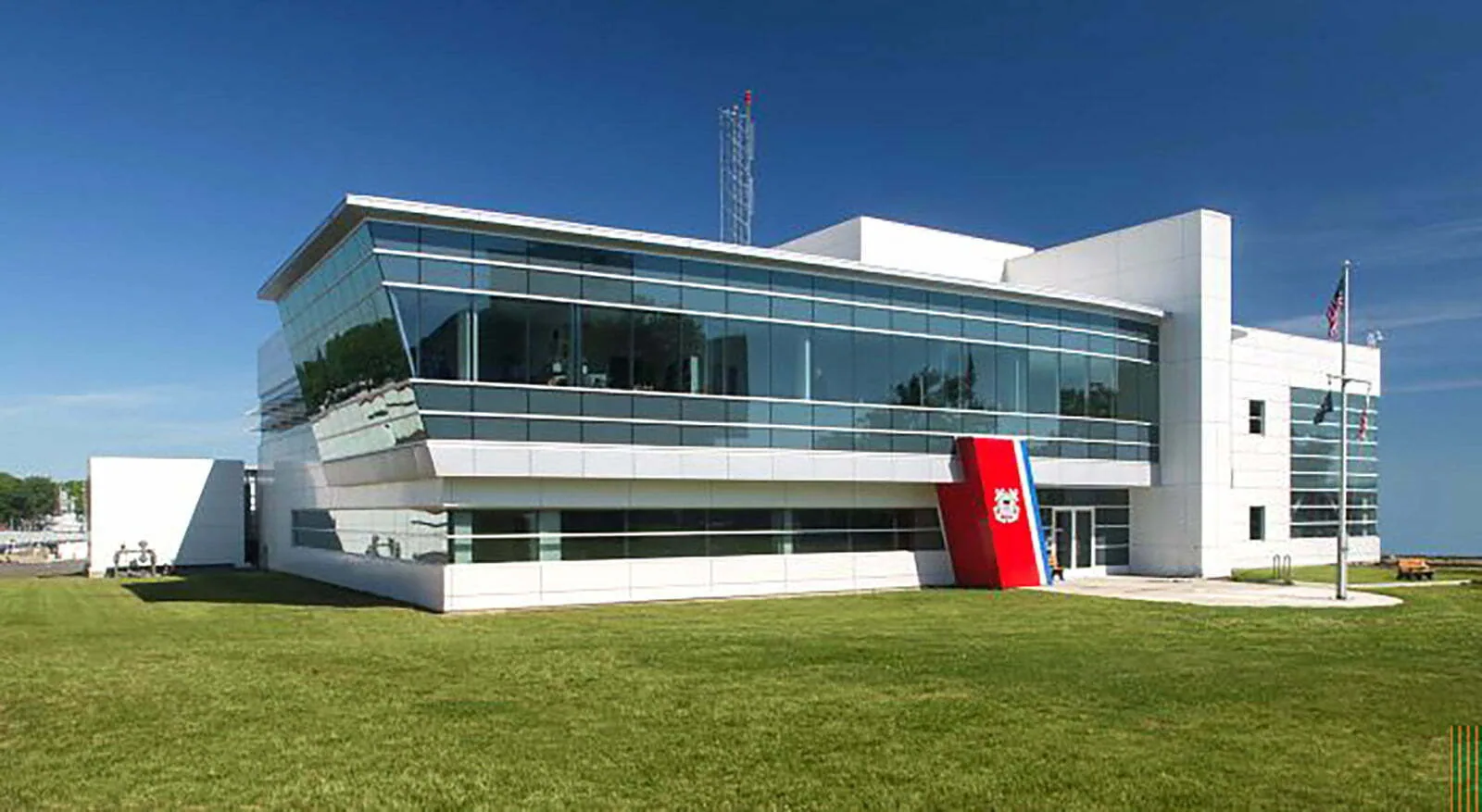
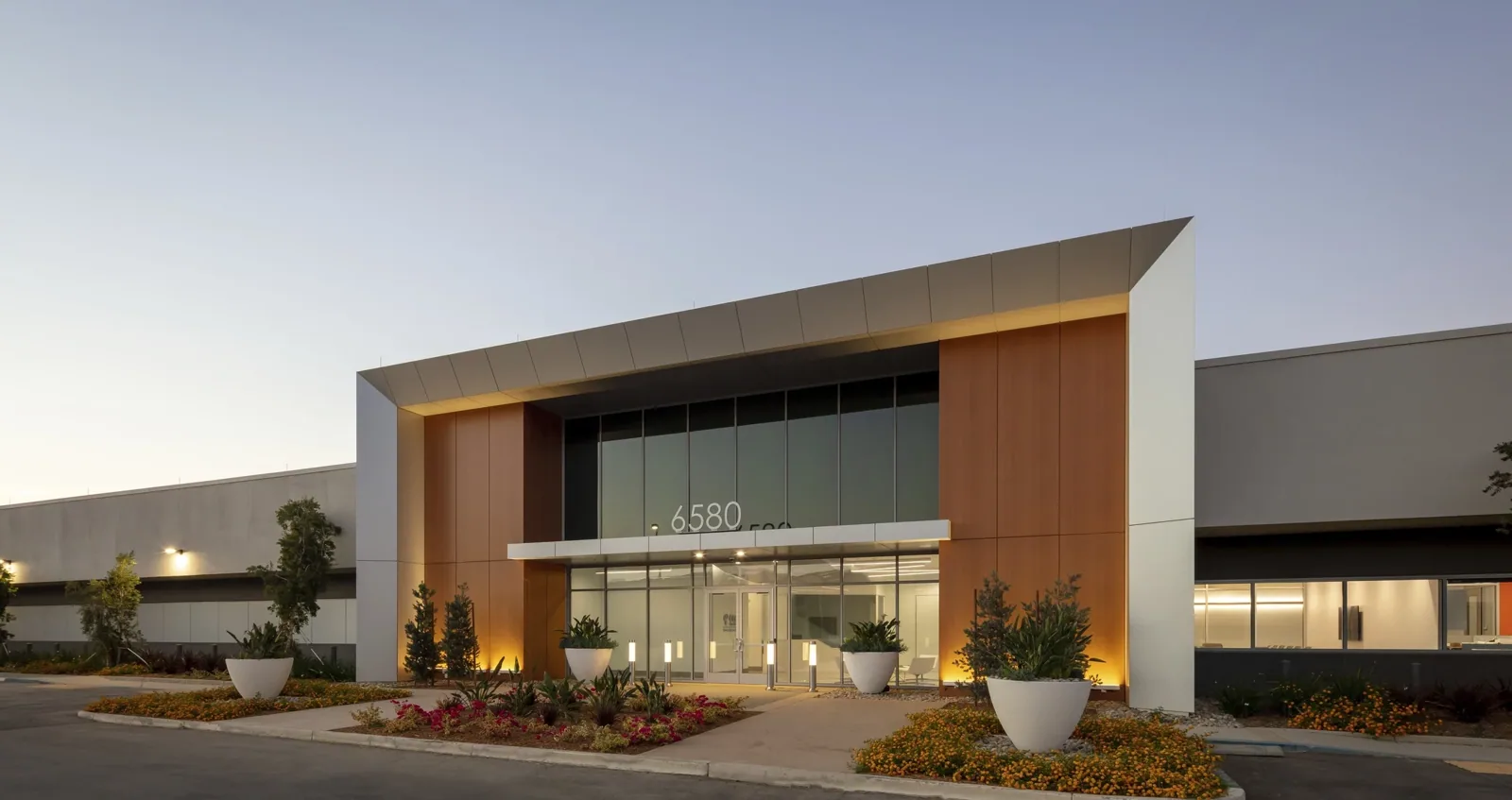
Public access: establish a safe work boundary
The project lead sets the permitted entry, badge or escort process, delivery route, and area below the roof work. We identify which entrances and pedestrian paths must stay open, where a lift can stage, and how debris will be controlled. If a public meeting or service window limits noise or access, the schedule should name that window before work begins. A site-specific plan reduces conflict between the roofing crew and the people who rely on the building.
Some public facilities include offices, service counters, meeting rooms, vehicle areas, or maintenance functions. The property record must confirm which are present; a government label does not establish building layout or equipment. We map accessible roof zones and identify any hatch, ladder, curb, or area that requires another trade. A school roof plan also accounts for occupied hours, while municipal work may have different public-service and procurement checkpoints.
For a portfolio of city or public agency buildings, multi-site roof planning can use one condition-log format while keeping each building's findings separate. The record should show the property identifier, date, access limit, images, and next decision owner. It must not transfer one roof's condition to another facility.
Inspection record: map the assembly and reported defect
At a low-slope roof, we check the membrane field, seams, penetrations, drains, parapets, edge metal, and prior repairs near the reported water entry. At metal roofing, the review follows panel laps, fasteners, closures, and transitions. The condition log identifies system type where visible, observed failure, and any assumption that needs a test opening. If the roof plan and the field do not match, we note the difference before proposing material.
Water can travel from a wall or curb before it appears inside a public room. We trace the likely path and compare it with the interior report, then separate confirmed damage from a route that remains open for testing. If moisture may extend below the visible surface, a moisture survey can help choose a test location. The image pattern alone does not confirm wet insulation. A core or test opening records the layers found at that point and the limit of the sample.
Drainage deserves its own line in the report. We check bowls, strainers, overflow routes, low areas, and membrane connections. Clearing debris is a maintenance task; a split connection or failed flashing requires a different scope. A drainage inspection can distinguish the outlet condition from a broader membrane issue. Photos should tie each finding to a roof-zone reference so a later estimator can price the same boundary.
Local exposure: use weather history to set inspection priorities
Boston Logan's annual normals are 44.52 inches of precipitation and 48.2 inches of snowfall. On a Lynn public building, that seasonal context puts roof access, outlet paths, and freeze-thaw transitions on the inspection route.
Massachusetts experienced coastal flooding during Hurricane Sandy, while severe southern New England storms can bring hail and damaging gusts. After an event, the crew checks coping, laps, and penetrations at accessible zones and documents the resulting scope. A storm review records the visible condition, date, and any area the crew could not reach.
The city identifies Downtown Lynn as a cultural district with public events, art, dining, galleries, and retail. Lynnway Park includes warehouse, food-processing, storage, and light-industrial uses. Those different city settings make the facility manager's site-specific access and delivery controls important. A Downtown Lynn visit still requires the property’s own route and work boundary.
Code and scope: connect bid quantities to the field record
Commercial projects in Massachusetts are reviewed under 780 CMR and applicable state requirements. The owner's design professional identifies the review path for the proposed roof assembly, insulation, drainage, or structural change before bid quantities are fixed. The proposal should state the assumptions used for each quantity and the condition that would trigger an owner decision.
A targeted repair can fit an isolated split, puncture, flashing failure, or drain connection when surrounding material remains sound. A repair scope names preparation, compatible materials, tie-in, and the area excluded. Recover work requires checks for moisture, layer count, attachment, drainage, and finished height at walls and equipment. If those findings do not support keeping the assembly, a replacement plan can show removal, substrate review, insulation, and phased dry-in separately.
For public procurement, clarity matters at bid comparison and change review. Separate confirmed quantities from allowances for concealed conditions, identify access and public-protection assumptions, and show unit boundaries on the roof plan. If a test opening reveals wet insulation or damaged deck, the project pauses at the defined hold point while the owner reviews the added work. This keeps the field change tied to evidence and an approval record.
Closeout file: leave a record staff can use
The file includes a marked roof plan, dated photographs, areas inspected, materials installed, repair limits, test results, and conditions left open. It also records the access or weather restriction that shaped the work. Temporary dry-in stays distinct from permanent repair. If another contractor owns an equipment or wall transition, the closeout identifies the interface and the next contact responsible for it.
A commercial office roof review may have different room and tenant constraints, and vehicle-display work raises another set of access questions. For each public building, keep the roof map tied to its own identifier and service history. A later inspector can then compare a new leak with the condition that was actually recorded rather than treating an old bid quantity as current.
To schedule a municipal roof walk, provide the building use, affected zone, access contact, public hours, and any procurement or approval milestone. We will map the observed condition and prepare a scope that distinguishes immediate water control from longer-term repair or replacement.
Commercial Roofing Questions
What should a municipal roof inspection provide for a bid?
Use a dated roof map, photos, system observations, repair limits, access assumptions, and any test needed to price concealed layers. The scope should separate confirmed quantities from allowances and identify who approves work beyond the boundary.
How do you keep public entrances open during roof repairs?
We plan the lift, staging, debris control, and ground boundary with the building contact. If a required path must change, the project lead approves the alternate route and work window before the crew begins overhead work.
Does Lynn weather history prove that a city building has roof damage?
No. Regional snow, coastal flooding, wind, or hail can set an inspection priority, but repair quantities come from physical findings. We document observed movement, punctures, water entry, or open details at the building itself.
When should a public roof repair become a replacement comparison?
Repeated failures, moisture beyond a local detail, widespread attachment problems, or a deteriorated substrate can justify a broader review. We show the test result, work boundary, and access effects so the owner can compare the next scope.
Request a government roof assessment
Provide the facility use, reported roof zone, public-access limits, project contact, and bid or approval timeline. We will document field conditions and define a reviewable repair boundary.
Back to Property Types We Roof.