
Commercial School Roofing in Lynn, MA
A school roof in Lynn, MA has to be evaluated with the occupied rooms, roof zones, and calendar in view. A leak over a classroom, corridor, kitchen, or mechanical space creates different access and protection questions, even when the visible membrane condition looks similar. We record the reported location, trace nearby drains and penetrations, note prior repairs, and separate what is visible from what needs a test opening. The photo record gives school facilities staff a dated basis for deciding whether to isolate a repair, investigate moisture, or plan a larger project during a break.
Downtown Lynn combines cultural, retail, and other active uses, while Lynnway Park includes warehouse, food-processing, storage, and cold-storage operations. These local building contexts help frame staging and access, but do not describe any particular school roof. Our commercial roof inspection ties each finding to a marked roof zone. Compare a defined repair with college and university roof work or a public-building roof scope only when the school’s own assembly and operating needs support that comparison.
Plan school roof repairs in Lynn with zone-based findings, classroom access controls, drainage checks, and a clear schedule for occupied buildings.
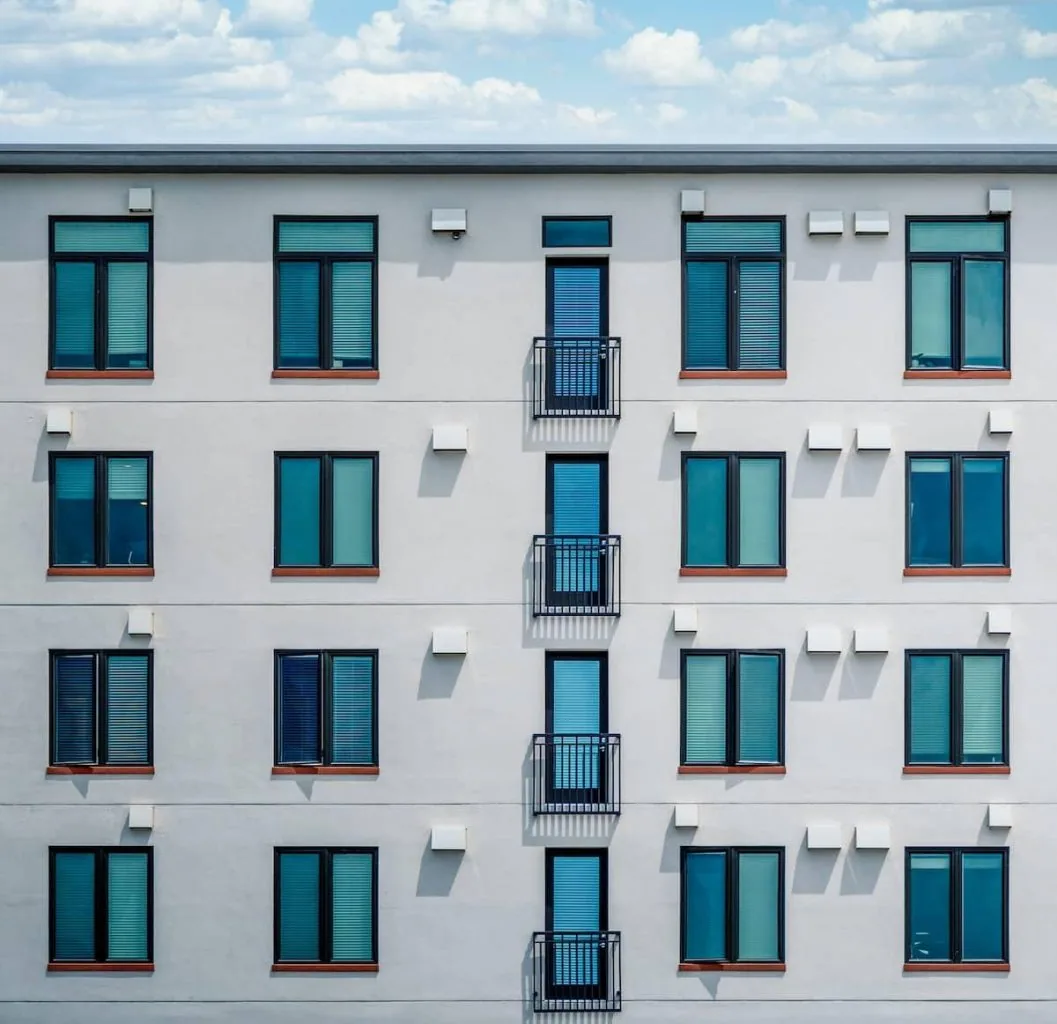
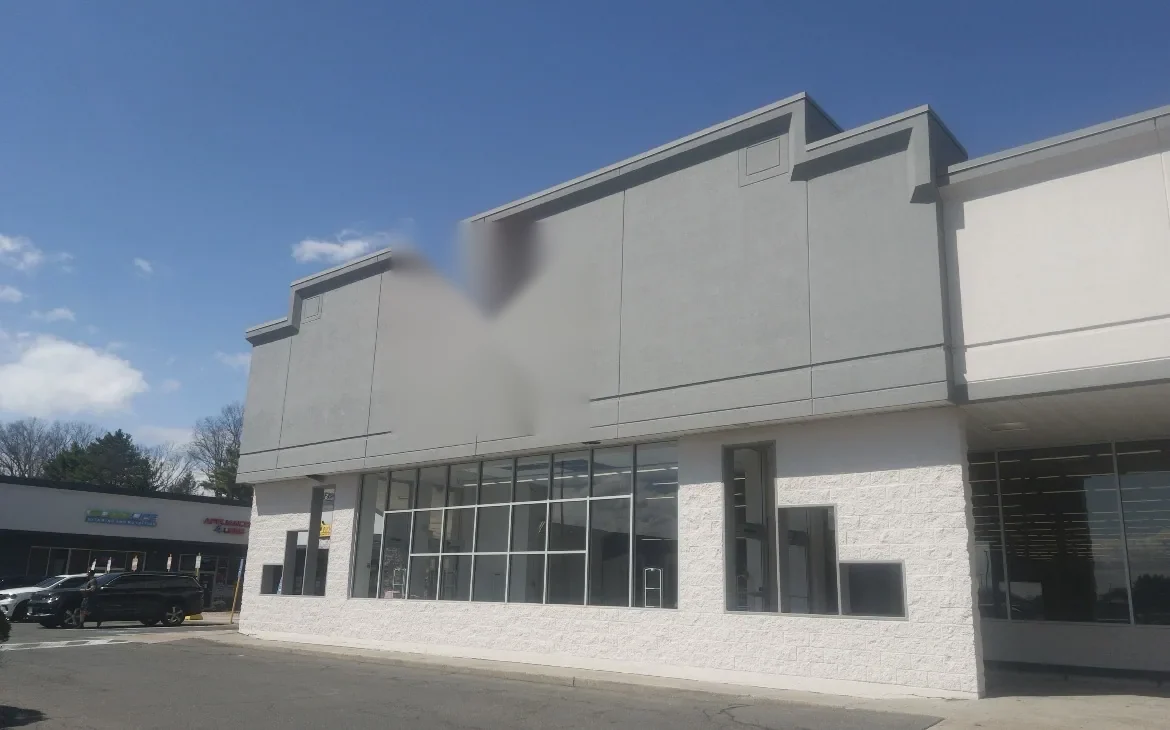
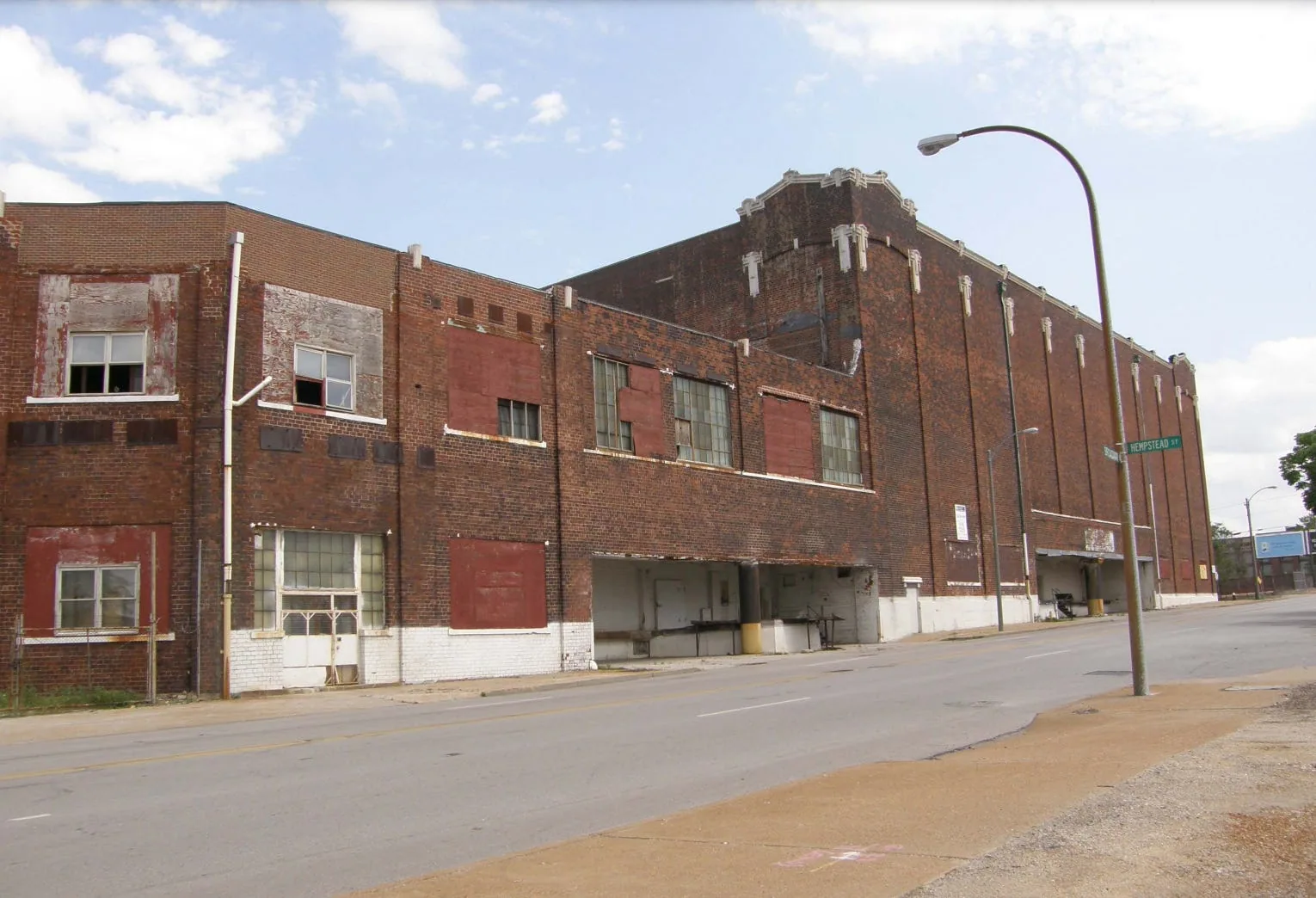
Reported leak: match the interior room to the roof zone
A ceiling stain is a useful starting point, not a map of the failed detail. We note when staff saw moisture, whether it follows a roof drain or equipment path, and what rooms or assets need immediate protection. On the roof, the review checks seams, penetrations, curbs, edge transitions, low areas, and previous patches near the reported zone. If the likely path is concealed, a targeted opening can document the layers and moisture found at that point. The report states what the inspection confirms and which adjacent areas still need review.
For an active classroom leak, roofing response can be arranged day or night, including on a holiday. The immediate scope should protect the occupied area, control water entry where practicable, and record temporary work so a permanent repair can be planned from the actual condition. A school may need to coordinate room access, custodial coverage, ventilation, and separation between crews and students. Those controls belong in the work plan; they do not replace the technical inspection. We keep the repair boundary and any temporary measure visible in the closeout file.
Occupied operations: schedule around the school day
Class schedules, after-school programs, food service, athletic events, and summer access can alter the safest sequence for roof work. The facility contact can identify rooms that remain occupied, entrances that must stay open, roof equipment that cannot be shut down, and windows when noise or deliveries can occur. A roof-zone plan then shows which area will be opened and protected each day. If a project can wait for a school break, the scope should still explain how existing leaks and drainage concerns will be monitored until mobilization.
For a school in or near Downtown Lynn, a constrained service court or nearby public entrance may affect lift access and pedestrian separation. Work nearer the Lynnway Corridor may have different material staging and delivery paths. We confirm the actual property conditions rather than assuming the district has one uniform site layout. A written access window lists who opens roof access, where materials can be staged, and who receives a daily status before crews leave.
Before mobilization, we identify who receives the daily reopening notice, what interior checks follow dusty or noisy work, and how a weather delay changes the next occupied-room boundary. If temporary protection remains overnight, its condition and the person checking it belong in the handoff. Facilities and custodial staff then have a clear step before rooms return to normal use.
Drainage and weather: protect the learning spaces below
Winter accumulation and rain both belong in a school roof's maintenance calendar. The nearby Logan station averages 48.2 inches of snow over a year, against 44.52 inches of annual precipitation. Staff can schedule drain, scupper, overflow, and insulation-transition checks before occupancy changes, then document low areas or displaced flashing actually found. A post-storm walk also checks edges, wall transitions, penetrations, and spaces where staff report water. A storm-damage review can document affected zones, while a condition report preserves the baseline for later inspections.
Scope comparison: repair now or plan a larger project
A localized repair may fit an isolated seam, flashing, or puncture concern when the surrounding assembly remains suitable. A recover or replacement may require broader investigation if moisture appears in several zones, prior repairs keep reopening, or drainage and insulation need coordinated changes. The comparison should state what was observed, which materials are assumed to remain, and what a test opening could change. That lets the district separate immediate protection from a capital scope without treating a stained ceiling as proof that the full roof has failed.
For replacement planning, document the deck where visible, existing layers, insulation transitions, drains, rooftop equipment, perimeter metal, and any areas that need work outside the student calendar. Before setting the school assembly, confirm which Massachusetts building and commercial-energy provisions apply to the permit. Include temporary dry-in, classroom protection, material movement, and owner review points in the schedule. The proposal can then compare a limited repair, phased work, and a full assembly replacement on the same roof-zone map and access assumptions.
Closeout record: leave facilities staff a usable map
At completion, the school should receive dated photos of the repaired detail, the marked roof zone, materials or assembly information, drain and edge observations, and any condition that changed the approved scope. Note areas that were not opened or could not be inspected. A facilities manager can then match a future report to the same roof location instead of relying on a verbal description such as “near the gym.” If the work was phased across a break, label the completed and deferred areas separately.
Routine follow-up should reflect the roof condition and the school’s maintenance calendar. A walk before a major occupancy period can check known drains, patches, and transitions, while later records help identify whether a repair boundary has changed. The documentation should state what the roofing crew did and what remains outside the work. That clarity helps custodial and building staff respond to a new leak without assuming that an old repair covered a wider zone than it did.
Commercial Roofing Questions
What information helps find a leak above a classroom?
Share the room, date and time moisture appeared, weather at the time if known, and any equipment or ceiling changes nearby. We map that report to roof drains, seams, curbs, and penetrations, then document any concealed condition that needs a test opening.
Can school roof work happen while students are present?
Some inspections or repairs may be scheduled around school activity, but access, noise, odors, staging, and student separation must be planned for the specific building. We identify work zones and daily protection steps with facilities staff before setting the sequence.
Should repairs wait for summer break?
That depends on the observed condition and risk to rooms below. A small repair may be urgent, while broader replacement could fit a scheduled break if the roof can be protected and monitored until then. The condition log supports that decision.
How do Lynn winters affect a school roof review?
Boston Logan averages 48.2 inches of snowfall and 44.52 inches of annual precipitation, with winter lows and summer heat that make drainage, overflows, and transitions useful inspection points. The actual roof inspection determines whether snow, water, or movement has affected a particular zone.
What belongs in a school roofing closeout file?
Keep a marked roof plan, dated photos, repairs and materials recorded by zone, drain and flashing observations, and notes on inaccessible or deferred work. Facilities staff can use that record to compare future reports with completed work.
Schedule a school roof review
Share the school’s use, affected room or roof zone, access contact, and the calendar windows available for a walk. We will document visible conditions and outline the next steps for a repair or planned project.
Back to Property Types We Roof.