
Commercial Acrylic Roof Coatings in Lynn, MA
An acrylic roof coating can renew some existing commercial roof surfaces, but only after the substrate, moisture, drainage, and repair needs have been reviewed. On a Lynn building, our roof walk maps coating wear, open seams, ponding, exposed membrane, rust, and transitions by zone. We identify areas that need cleaning, repair, testing, or removal before application. The resulting condition log lets an owner compare coating with a larger recover or replacement scope using observed conditions rather than a product label or a surface appearance alone.
Lynnway Park accommodates warehouse, storage, food-processing, and cold-storage uses, while Downtown Lynn includes active retail and cultural properties. Those operating settings shape staging and access windows, not the diagnosis of a particular roof. The selected product must be suitable for the existing membrane and expected exposure. Compare silicone coating systems and SPF roof renewal against the assembly actually present. A coating restoration review should define preparation, repairs, and application limits before the bid is finalized.
Evaluate Lynn acrylic roof coatings by reviewing substrate, drainage, adhesion, weather window, repairs, and product limits before application.
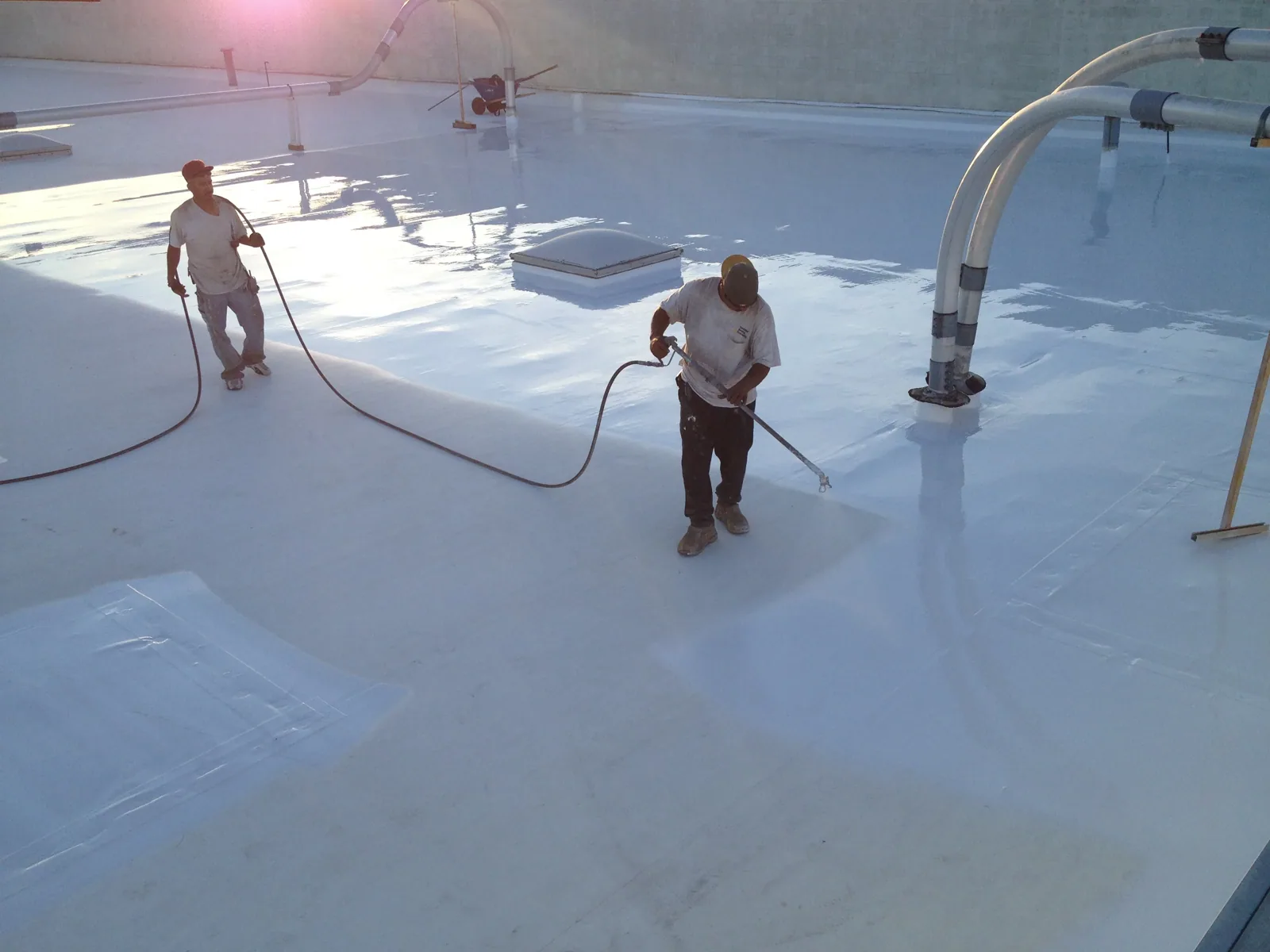
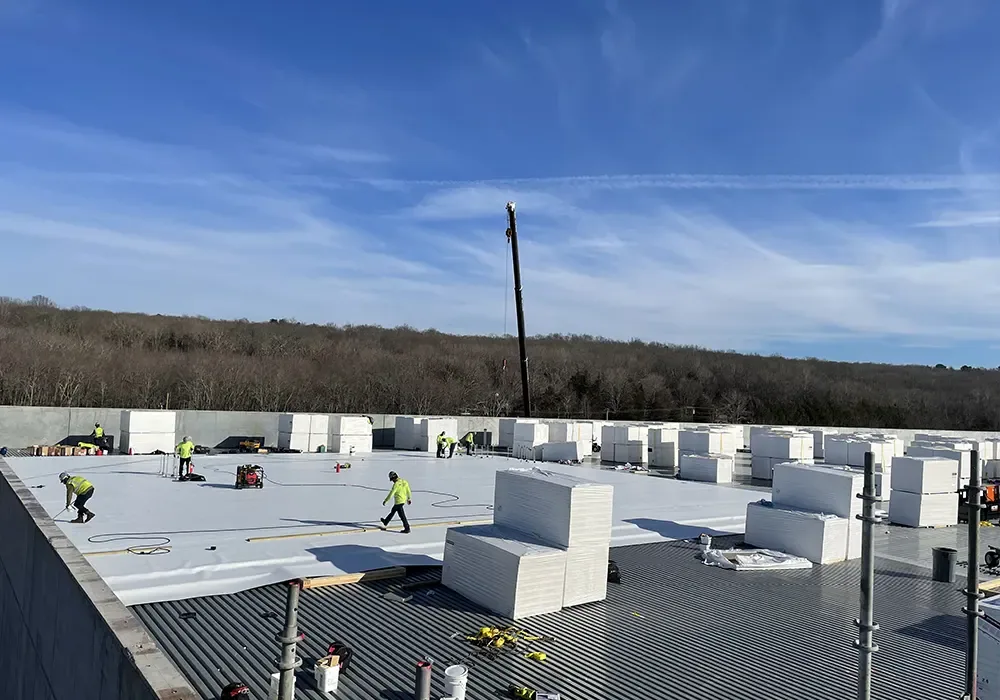
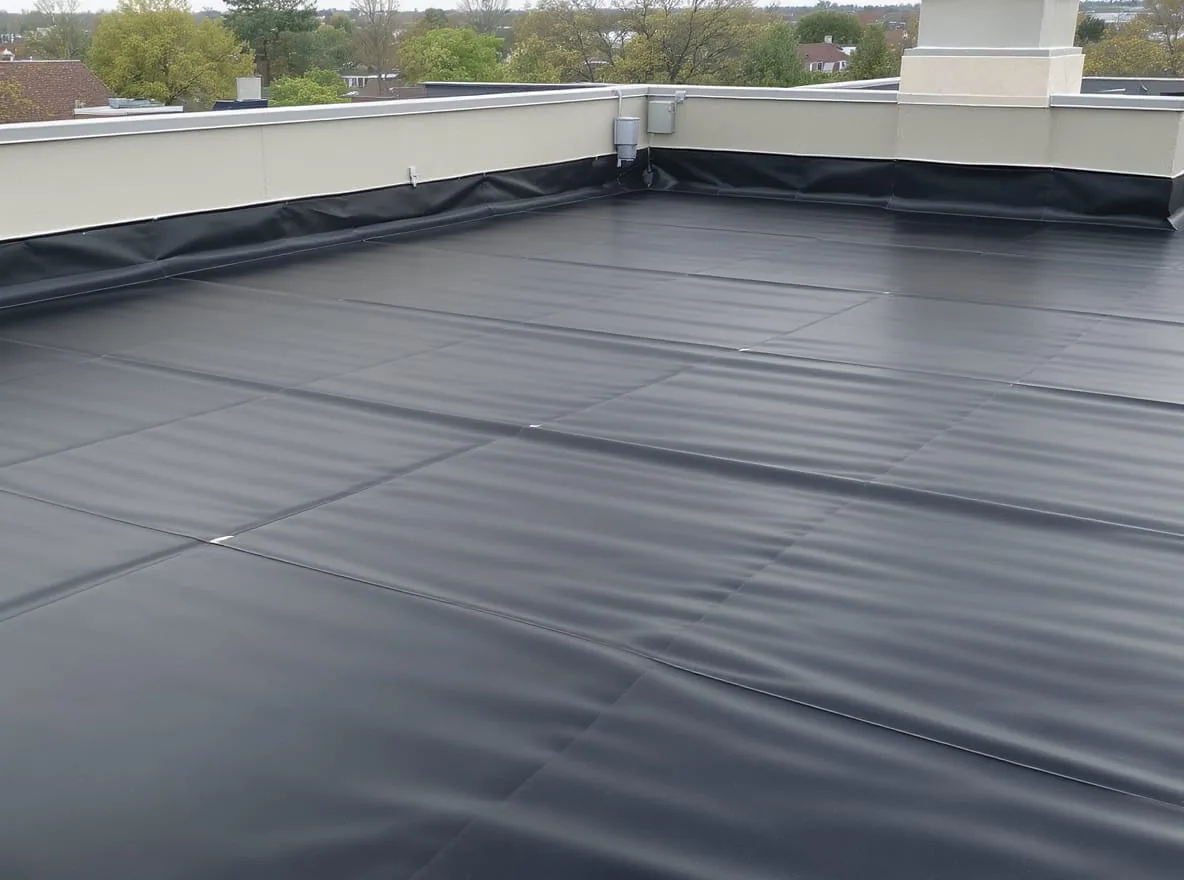
Surface review: determine what can receive coating
Acrylic systems are fluid-applied, so the roof must be suitable for cleaning, preparation, adhesion, and the specified film build. We identify the existing membrane or coating where possible and document loose material, chalking, cracks, blisters, rust, exposed reinforcement, contamination, and areas with uncertain bond. If the roof has several prior coatings, do not assume each layer is compatible. The evaluation may call for a test patch, pull test, moisture survey, or test opening based on the product requirements and assembly questions. Record the method, location, and limits.
Preparation is a defined part of the scope, not a generic cleaning step. Identify what will be removed, how residues will be managed, which repairs need reinforcement, and what dryness or surface condition is required before application. In Saugus, Saugus Center and Route 1 are commercial planning areas; the building contact sets the actual access and work window for each roof. Occupied retail space in Downtown Lynn may call for pedestrian controls and additional protection around entrances. Record these conditions beside the work sequence.
Drainage and repairs: resolve weak details first
Before an acrylic application, inspect seams, wall flashings, penetrations, curbs, skylights, drains, scuppers, and perimeter terminations. A coating field cannot make an unstable flashing or blocked drain serviceable. Map actual low areas and outlets, note ponding when observed, and distinguish that observation from a leak report or water stain. If slope or outlet work is needed, show it as a separate scope and confirm how the coating will terminate around the corrected detail. The project should state which surfaces will remain outside the application boundary.
Localized repairs should use products compatible with both the existing roof and proposed coating. The application instructions may call for reinforcement at seams, fasteners, transitions, or repaired cracks. We document each repair area before it is covered and take a photo at closeout. A drainage review can address outlet conditions; a repair scope can define an isolated membrane or flashing defect. Keeping these tasks distinct prevents the coating quantity from obscuring unresolved roof conditions.
Weather and application: protect the work window
Application conditions depend on the specific acrylic product and may include limits for surface moisture, air temperature, humidity, and time available to dry or cure. The work plan should use the selected system instructions and local forecast to schedule each roof zone. Before scheduling an acrylic application, compare the selected product’s temperature, moisture, and cure limits with the work window. Nearby Boston Logan averages 48.2 inches of snow and 44.52 inches of precipitation in a year. The station’s mean daily high reaches 83.2 degrees in July, while January’s mean daily low is 24.3; substrate readings and the forecast govern the application decision.
Regional severe-weather records also do not diagnose a particular roof. The post-Sandy record offers regional context for checking a coating project’s vulnerable details: Massachusetts experienced coastal flooding, Boston recorded a 62 mph gust, and Revere Beach measured 54 mph sustained wind. After a comparable event, document coating loss, punctures, open flashing, and water entry before assigning cause or adding repairs. After an event, document actual coating loss, punctures, open flashings, or water entry before attributing cause. At Lynn Harbor, marine exposure is a reason to inspect edge details directly. A condition report should preserve pre-application and post-work observations with dates and locations.
Product and scope: define the coating limits
Acrylic coating properties and allowable substrates vary by product. Obtain the exact technical instructions, application rate, dry-film requirements, primer and reinforcement details, compatible repair materials, and warranty terms. Confirm how the system handles areas subject to regular ponding, whether the existing coating type affects adhesion, and what weather window is needed for application and drying. Avoid relying on a general statement that all acrylic coatings share the same capabilities. Product-specific documentation should answer the questions raised by the roof walk.
Compare coating with recover and replacement. A coating may have a narrower work footprint when the existing membrane is sound and compatible, but concealed moisture or widespread failures can require a different approach. Recover adds an assembly and raises transitions; replacement removes more material and can reveal hidden deck or insulation conditions. The design team should confirm which Massachusetts commercial building and energy provisions govern this scope. The owner should see included areas, excluded conditions, preparation assumptions, test needs, and the decision point that would trigger additional work before authorization.
Access and closeout: preserve application evidence
Plan access around the facility’s operations, air intakes, equipment, pedestrian paths, and material staging. Food-processing or storage schedules at Lynnway Park may require specific work windows, while downtown entrances may need protected routes. Identify where cleaning runoff and overspray controls apply, how crews will reach the far roof zones, and who authorizes a change if the substrate is wet or unsuitable. Daily records can identify conditions, repairs, areas coated, weather measurements, and deferred sections so the facility manager understands the actual work sequence.
When a roof remains in service during the project, record the daily tie-in, locations left uncoated, and temporary protection used at each stopping point. This gives the facility contact a clear handoff if weather shifts the schedule and helps the next crew confirm that the surface is ready before work resumes.
The closeout file should contain product identification, surface preparation and adhesion records as required, repair photos, application area map, film-build checks if specified, details at drains and edges, and any excluded or inaccessible location. Preserve the photos taken before coating because they show the substrate condition no longer visible. Record a maintenance or inspection interval only when supported by the product requirements and owner’s building plan. A future roof walk can compare actual coating wear with the project baseline without implying that reapplication will never be needed.
Commercial Roofing Questions
Can acrylic coating be installed over an existing roof membrane?
Only if the exact substrate and condition are acceptable under the selected product requirements. Inspect moisture, adhesion, repairs, coating history, and drainage first, then document any test area or opening used to resolve uncertainty.
Is acrylic coating suitable where water ponds?
Suitability depends on the product and how long water remains, as well as the roof's slope and outlets. Map low areas and confirm the product's written limits; address drainage separately when needed.
What weather is needed for acrylic coating work?
Follow the selected product's limits for substrate condition, temperature, humidity, and drying time. Lynn's climate normals help frame scheduling, but the actual roof and forecast determine whether application conditions are suitable.
How can I compare acrylic and silicone coatings?
Start with the existing roof material, ponding, substrate condition, exposure, application requirements, and product documentation. Compare the proposed repair and preparation details rather than relying on generic claims about either coating family.
What should a coating closeout package include?
Keep product and preparation records, pre-work and finished photos, repair locations, application coverage information, specified thickness checks, drainage details, and areas excluded from the work.
Request an acrylic coating review
Share the roof material and coating history, concern areas, access contact, and desired schedule window. We will document the surface and identify preparation, compatibility, and drainage questions before an application scope is proposed.
Back to Roof Systems.