
Commercial Snow and Ice Roof Damage Repair in Lynn, MA
A winter roof concern in Lynn can involve a blocked outlet, ice at a perimeter detail, water after thaw, or snow accumulation. At Boston Logan, average annual snowfall is 48.2 inches and the January mean daily minimum is 24.3 degrees. Those Lynn-market figures do not calculate the load on a particular building. We document what the roof shows, which areas are safe to access, and whether structural review is needed before anyone disturbs snow or ice. Saugus includes warehouse and cold-storage uses where a winter leak can affect operations, while the actual assembly and interior exposure must be confirmed at the property.
Commercial Roofing Lynn inspects snow and ice effects on roof drainage, edges, and membrane details, then documents safe repair and follow-up steps.
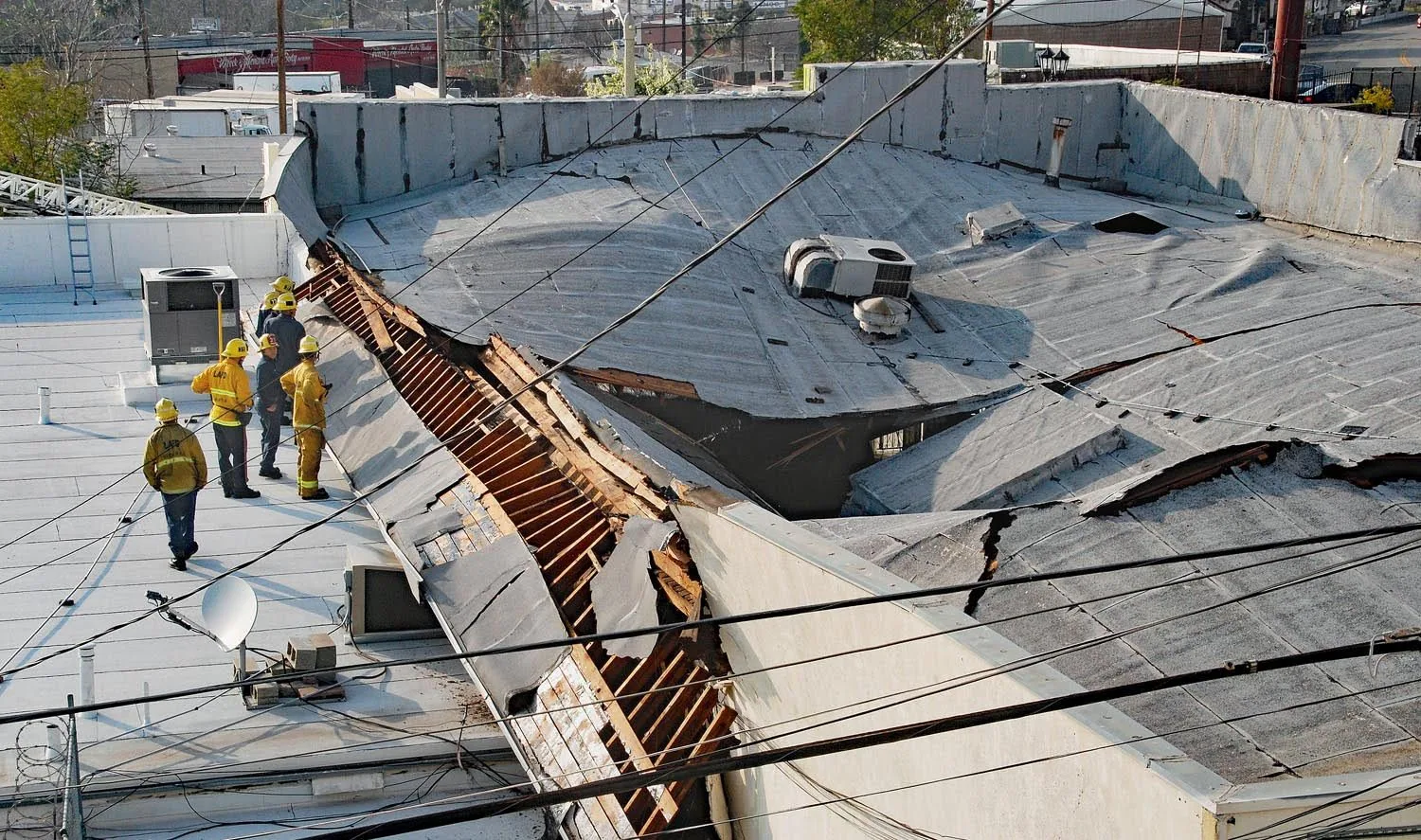
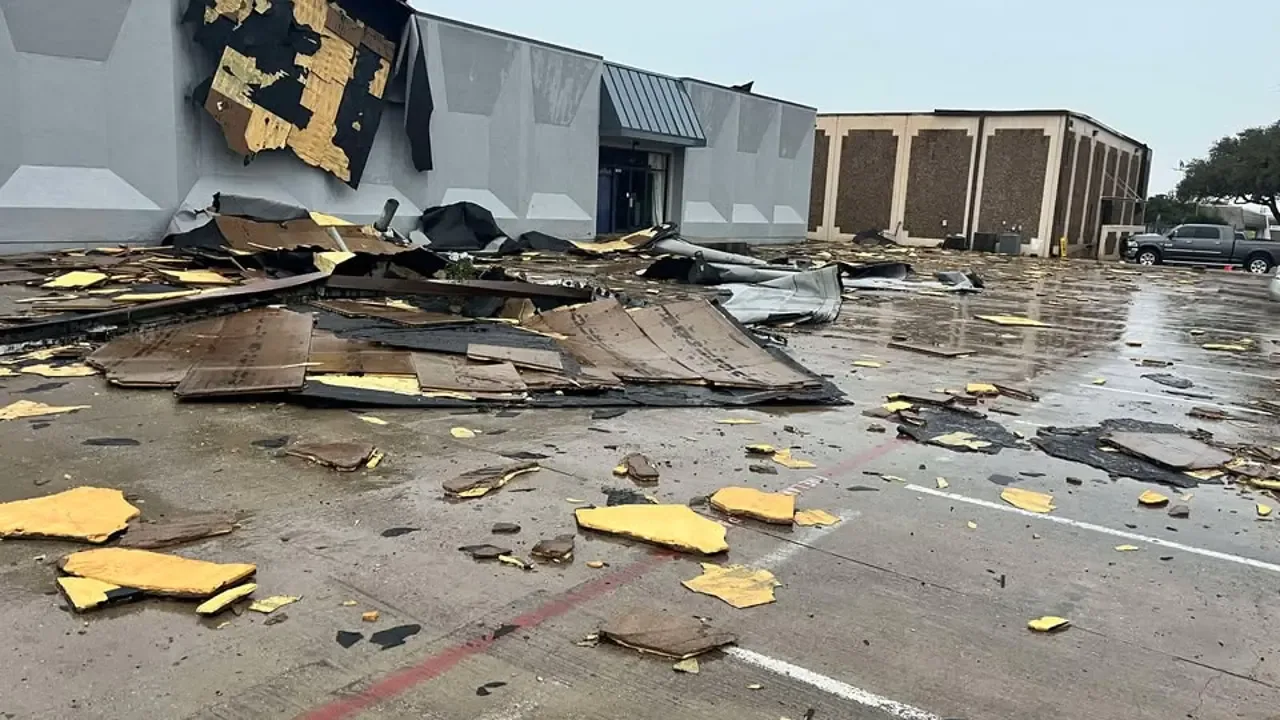
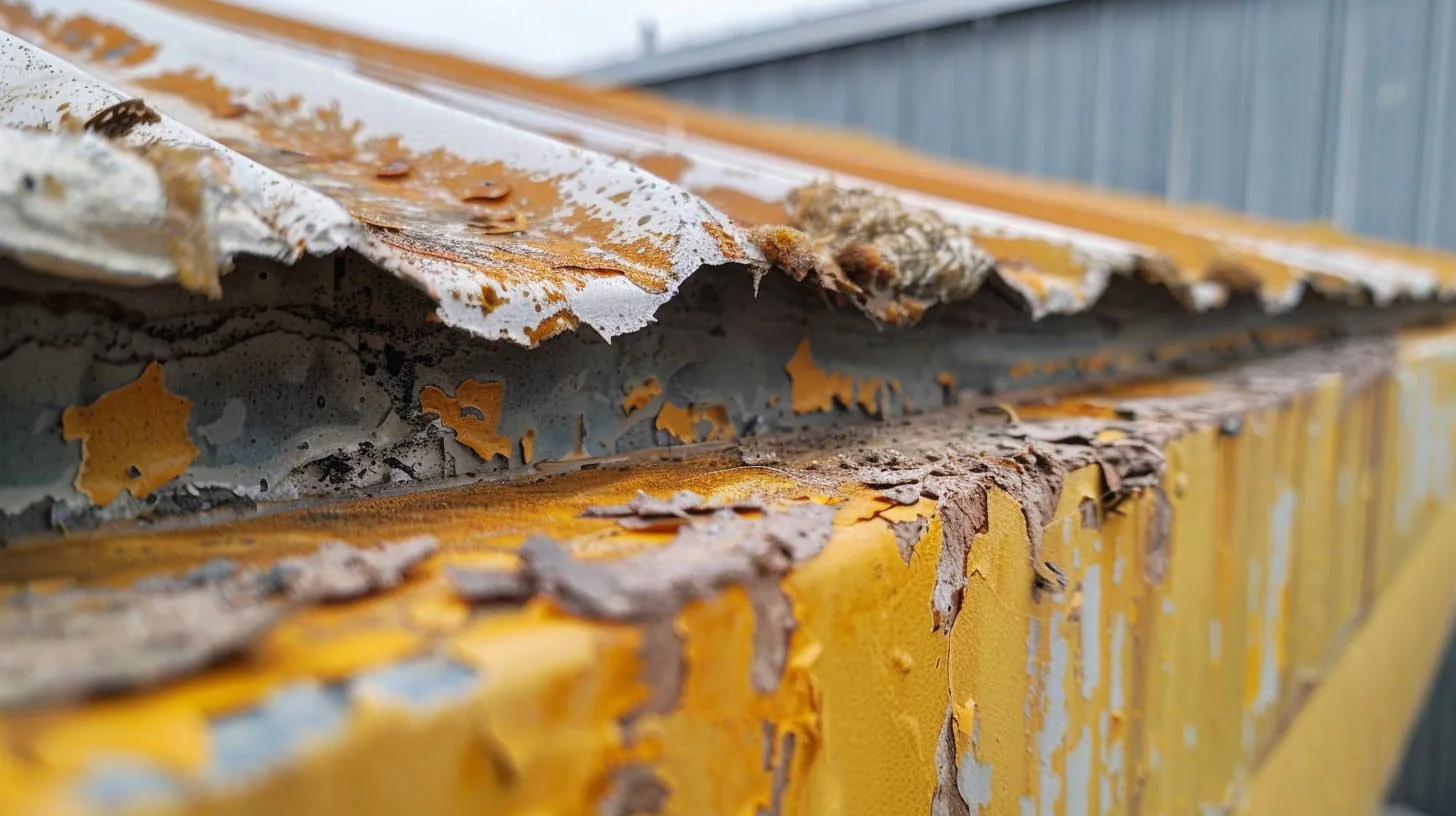
Winter symptom: separate drainage blockage from roof movement
Water that appears during thaw may come from a blocked drain, ice at an outlet, an open seam, or movement at a flashing transition. We note where water shows inside, when it appeared, and whether the roof has visible pooling, drifted snow, ice, or a displaced component. An owner should report sagging, unusual sounds, new cracking, or doors that no longer operate to the appropriate building professional; a roofer's visual walk is not a structural load calculation. Drainage inspection can identify an obstructed outlet or damaged connection after the surface is safe to examine.
On a low-slope roof, ice can obstruct a drain or scupper and keep meltwater from leaving the field. We inspect the water route, overflow path, membrane around the outlet, and any seam or curb along the basin. A leak may appear away from the ice blockage, so the report maps the roof zone and the interior area separately. We do not assume that a visible ice patch accounts for every water report.
A drain that looks clear from the roof surface can still have an obstruction below the bowl or in a leader, so we inspect accessible components and identify what could not be seen. If the outlet is open but water remains across a broad area, slope or deflection may be involved. We note the approximate basin, the roof section it affects, and any movement or cracking observed near the low point. That helps separate a maintenance visit from a repair or referral that needs additional design input.
Safe access: protect the roof before clearing a path
Snow removal can damage a membrane, push snow over an edge onto people or equipment, or create a concentrated pile in a new area. We confirm who is authorized to access the roof and whether a building engineer or structural professional has set a removal procedure before work begins. If the surface is icy, access is restricted or postponed until it can be performed safely. The inspection record identifies what could be seen without disturbing the accumulation and what should be revisited after conditions improve.
Where an opening is actively leaking, temporary protection may be possible from a safe access point or interior location. We record its placement and weather exposure, then arrange a roof inspection when conditions allow. Emergency roof protection can limit further water entry, but it does not replace assessment of the surrounding assembly or a structural review when one is indicated.
Snow piles should not be shifted to another roof section without considering where the load will sit and whether drains, hatches, or walkways will be buried. If a building has an established removal contractor, we coordinate the roofing inspection with that person rather than introduce a competing method. The site manager can flag overhead areas, access restrictions, and areas where material must not be dropped. We can then map the roof condition after removal and photograph exposed seams or flashing before they are covered by a repair.
North Shore winter: plan for freeze-thaw and recurring water
For the Lynn market, winter cold, annual snowfall, and year-round precipitation create recurring drainage and access questions. A thaw can send water toward drains, scuppers, and seams, where refreezing may restrict the outlet again. We examine the path and note whether water cleared after the event, rather than treating one frozen drain as proof of a broader roof failure. At Lynn Harbor, marine-dependent activity gives a distinct local operating context; a roof walk still needs the property's own access and weather limits.
Route 1A connects multiple travel modes along the Lynnway and Carroll Parkway area. During a winter response, coordinate deliveries and roof access with the property contact, especially when snow storage or equipment staging changes the usable route. The corridor description does not determine roof load or site access. We record the current conditions that affect the repair window and identify any portion that could not be inspected.
Repair scope: identify ice damage and the next inspection point
Once access is safe, we inspect edge metal, coping, flashing, seams, roof drains, scuppers, and penetrations for displaced parts, split sealant, or membrane openings. A local repair may address a failed connection; recurring water retention or damaged materials may require a broader drainage or roof-system review. We state the affected zones, temporary measures, materials assumed, exclusions, and any test opening required before final quantities can be set. Flashing repairs address an opened transition, while ponding-water evaluation focuses on a basin that retains runoff beyond the freeze event.
The closeout file should include the inspection date, photographs, weather and access limits, repaired details, and a follow-up recommendation for the next thaw or maintenance visit. If the owner has a snow or ice management plan, we can record the roof findings alongside it without substituting for the engineer responsible for structural decisions. A later inspection can compare the same roof zones after the seasonal conditions have passed.
Winter work windows may be brief because surfaces need to be safe, dry enough for the repair material, and accessible without disturbing ice. A temporary measure can protect an opening until those conditions align. The estimate identifies weather assumptions, what can be completed during the first visit, and what needs a return inspection. If a thaw changes the water path, we update the report with the new observation rather than treating it as the same condition without review.
Commercial Roofing Questions
Does the average snowfall tell us whether our roof is overloaded?
No. A regional annual snowfall figure is climate context, not a building-specific load calculation. If the owner sees unusual deflection, distress, or sounds, access should be restricted and a qualified structural professional should direct the next step.
Can ice be chipped away from a roof drain?
Not without checking the surface and safe work method. A metal tool can puncture or gouge the membrane, and access may be unsafe. We inspect the outlet when conditions allow and describe a suitable method for clearing or repairing it.
Why does a leak appear during thaw instead of during the snowfall?
Meltwater may remain above a blocked outlet or find an opening that is exposed only when water reaches it. We record the timing, inspect the drainage route and nearby details, and separate the visible interior symptom from the roof entry point.
What should building staff do before roof access in icy weather?
Follow the building’s safety plan, restrict unsafe access, and contact the person responsible for structural and site-safety decisions. We coordinate an inspection when the roof can be reached safely and state any areas that remain unexamined.
What can a winter roof repair include?
It may include a temporary dry-in, outlet or flashing repair, and a follow-up inspection once the surface is clear. The scope depends on the exposed assembly, the access window, and any hidden moisture discovered after the roof can be examined.
Arrange a Lynn winter roof inspection
Share the reported leak area, snowfall or thaw timing, visible roof movement, building use, and access contact. We will identify safe inspection steps and repair options.
Back to Roof Damage Repair.