
Commercial Roofing for Hospitality Groups in Lynn, MA
A hotel roof project is judged partly by what guests do not encounter below the work zone. For a hospitality group with properties in Lynn, MA and nearby North Shore communities, we map roof conditions against guest entrances, service corridors, kitchens, meeting areas, equipment, and the hours when work can proceed. Downtown Lynn's cultural district includes restaurants, galleries, retail, public art, and events, while Beverly's downtown plan identifies Cabot Street and nearby business activity. The building contact confirms operating hours, access routes, and the roof zones that can be closed during work. Hotel roof work needs a building-specific access and closeout plan.
Commercial Roofing Lynn coordinates hotel roof inspections and repairs around guest access, event schedules, rooftop equipment, and clear work boundaries.
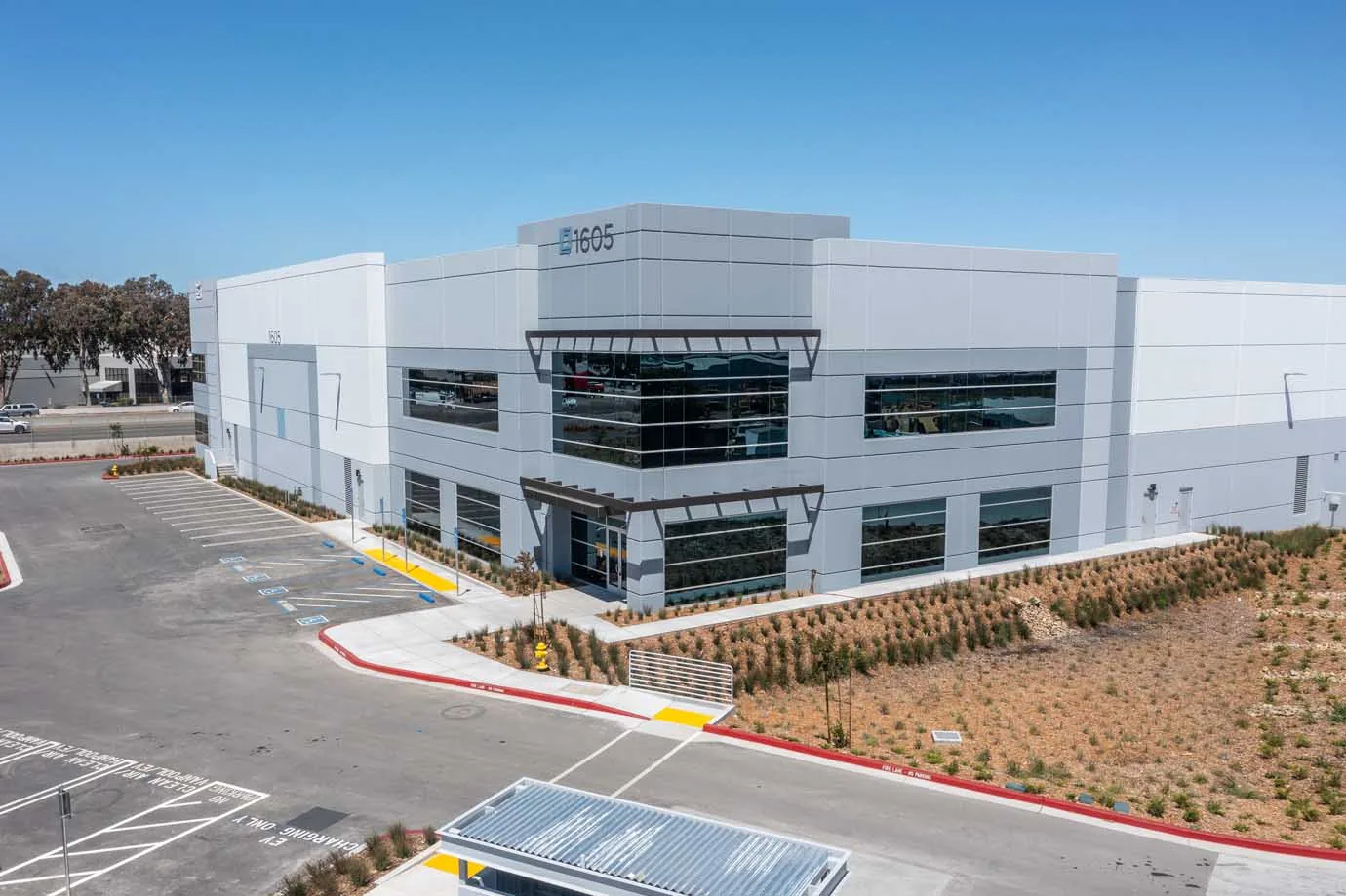
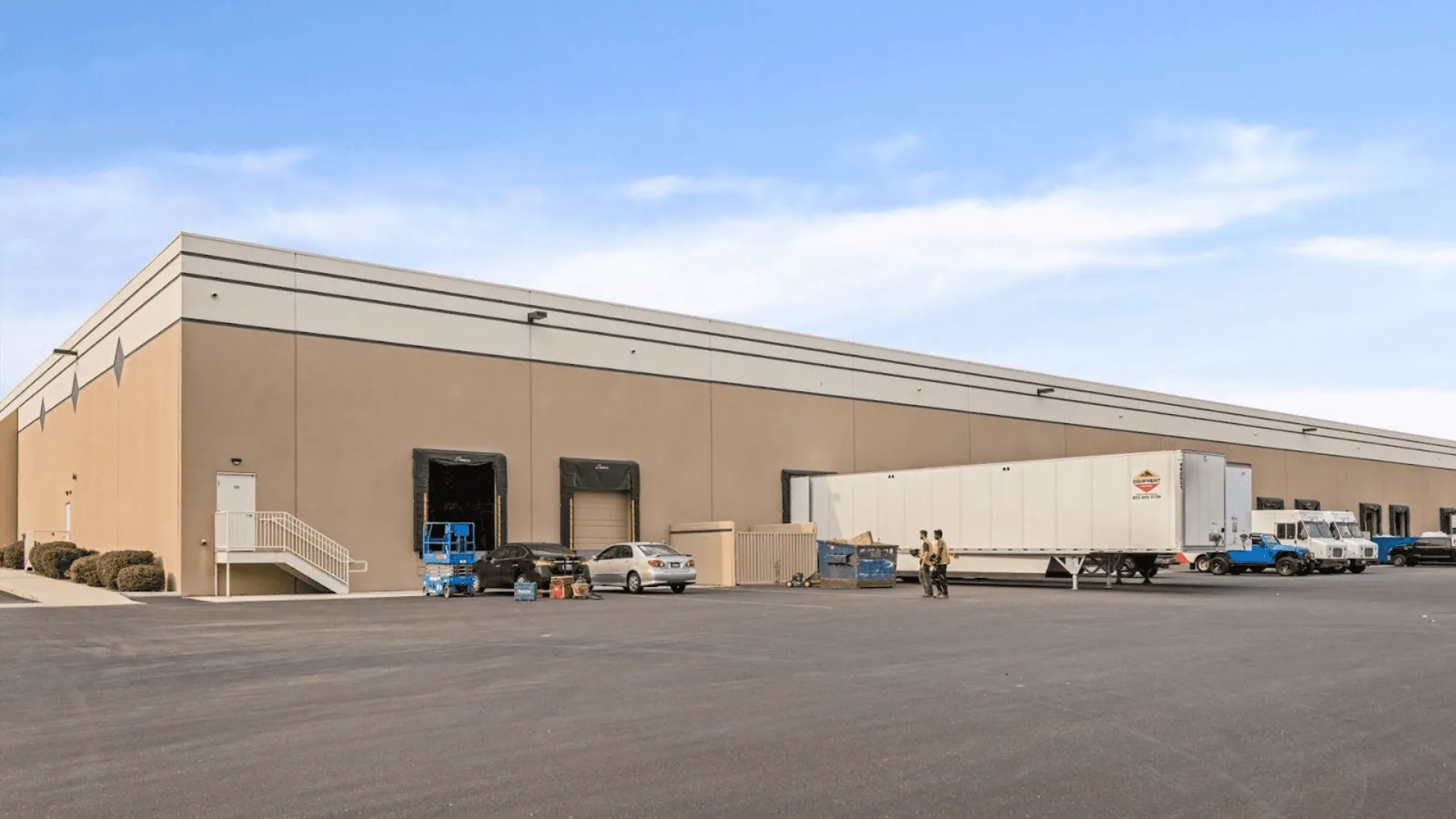
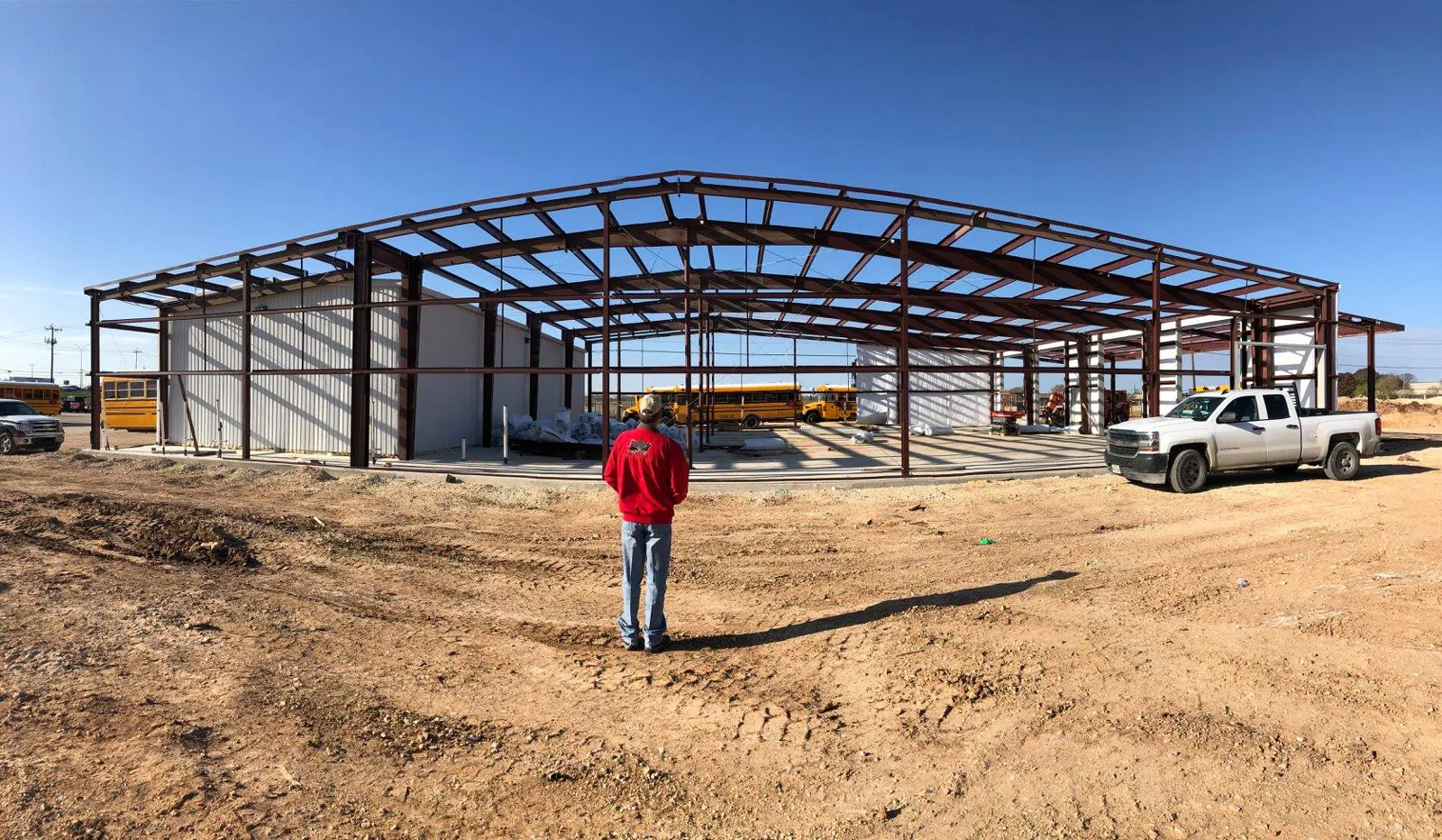
Guest movement: set a work boundary by operating period
We confirm which entrance remains open, where deliveries and refuse collection move, how guests reach rooms and services, and whether event or dining schedules restrict noisy tasks. The work plan identifies lift placement, material storage, roof access, safety separation, and the daily point at which the active area is dry and secure. If a building has multiple wings or additions, the roof zones should be sequenced so a change in one area does not leave another opening unprotected. Occupied property sequencing can turn those decisions into phases that the hotel manager can communicate to staff before the crew arrives.
Hospitality operators may also need coordination around kitchen exhaust, laundry vents, cooling equipment, rooftop service access, or guest-room sensitivities. We list the affected penetrations and coordinate with the facility contact when a mechanical shutdown or interior notice is needed. We do not assume a standard quiet period or guest route; the hotel's actual operating calendar controls.
Roof finding: follow the water before reopening the room
A ceiling mark in a guest room or corridor should be tied to its date, location, recurrence, and any effect on the room's use. On the roof, we inspect the corresponding zone and nearby seams, curbs, flashings, drains, and previous patches. Water can travel along the deck before it appears indoors, so the entry point may not sit directly above the stain. We identify what is visible and when a test opening or moisture survey is needed before assigning a larger repair area.
Photos should show the roof detail, orientation, and reference point so the maintenance team can compare the finding after the repair. Leak investigation establishes a repair boundary; a photo-linked condition record can preserve the location and next action for the next shift. If a room was affected, the closeout should identify what was protected and whether follow-up inspection is recommended before normal use resumes.
Hotel maintenance staff benefit when roof zones use a stable label that appears on the interior report, roof photo, repair estimate, and final walk. We can map a concern by wing, level, or roof section, then note whether the area was accessible and what detail was examined. If the visible stain recurs, the next visit can compare the same reference point and determine whether the entry path changed or the repair boundary needs to be opened. This is especially useful when a new facilities lead inherits the property and has only a small set of older invoices or room reports.
North Shore exposure: prepare for wet and cold periods
Hotels in Lynn schedule roof access around room turnover and public use while managing the North Shore's wet, cold, and warm seasons. Boston Logan's nearby climate record combines year-round precipitation with a substantial winter snow season and a broad temperature swing. We inspect drains, roof-to-wall transitions, exposed edges, and the guest-side areas below, then match each finding with an operating window. Sandy's 2012 flooding reached the Massachusetts shoreline, and wind measurements were recorded in Boston and Revere Beach. A post-event hotel walk follows the affected roof zone and any guest-area report.
For a property near Downtown Lynn, public events or active restaurant and retail schedules may affect deliveries and guest circulation. The manager confirms the actual calendar and site routes. Downtown Lynn is a broad local reference, and project access still gets confirmed at the building.
Project closeout: keep each property record distinct
A group can use one reporting format across its portfolio, but each property's repair history and roof assembly should remain separate. We state whether the proposal covers a local repair, phased renewal, or replacement, then list the roof sections, materials assumed, access plan, temporary protection, and exclusions. Retail and restaurant operators manage similar public-facing access questions, while property managers can coordinate approvals across separate assets. The closeout file contains completed zones, photos, installed materials, unresolved observations, and a follow-up recommendation.
The Commonwealth's commercial rules appear in 780 CMR's 10th Edition, adapted from the 2021 IBC; state energy guidance lists 2021 IECC and ASHRAE 90.1-2019. The hotel owner's design reviewer determines which requirements apply to the planned alteration. We document the roofing assembly and work limits so the review starts with a defined proposal. If a concealed condition changes the scope, the record should show the discovery, temporary protection, and approval before the additional work is incorporated.
When renewal is phased, the manager can compare the guest-facing impact of each sequence, not only the square footage assigned to a day. We identify which roof zones can be isolated, which equipment requires access, where materials arrive, and what temporary protection remains at shift close. If the hotel has meeting or dining periods that cannot be interrupted, the site contact can nominate those dates before the estimate is finalized. Each phase should end with a photo record, a check that the work boundary is secure, and a clear statement of any remaining access restriction.
For a group with multiple properties, the corporate team may want the same closeout fields on every report: condition date, zone, observed assembly, completed repair, remaining uncertainty, and follow-up. Those fields create a portfolio view, while each property retains its own guest access plan and roof history. The comparison can help a regional manager see where another inspection is due without assuming that a hotel in Beverly has the same exposure as one in Lynn or the same repair history.
Commercial Roofing Questions
Can roof repairs be coordinated with an event calendar?
Yes. We can identify work zones and access windows that conflict with guest arrivals, events, dining, or deliveries, then sequence the repair around the manager's confirmed dates. Weather, staging, and safety boundaries still determine which work can be completed during each event and confirmed project work window.
How do you keep a repair from disrupting guest access?
The plan should define the entrance, route, lift area, safety barrier, noise window, and daily closure point. We confirm those conditions with the hotel contact before mobilization and update the record if the site needs a different route or phase.
What should maintenance staff document when a guest room reports water?
Record the room, date, recurrence, ceiling location, and any service impact, then preserve photographs if available. We use the report to guide the roof inspection but do not assume the visible interior mark sits below the membrane opening.
Can one chain-wide inspection format work for every property?
A common form can keep reporting fields consistent, while roof type, access, guest routes, equipment, and condition remain property-specific. Each report should retain separate photos, repair boundaries, and follow-up actions.
What happens if a hidden condition appears during a phased project?
We protect the exposed zone, photograph and describe the new finding, and bring the scope change to the authorized contact before adding work beyond the agreed boundary. The closeout then separates the completed phase from any new recommendation.
Plan a hospitality roof review in Lynn
Share the property use, event calendar, access contact, roof plans, and reported areas. We will map conditions and coordinate a guest-aware work sequence.
Back to Industries We Serve.