
Hotel Roofing in Lynn, MA
Guest rooms, corridors, meeting areas, and back-of-house operations make hotel roof work in Lynn, MA a scheduling decision as well as a repair question. A leak above an occupied room needs a documented path, clear room protection, and coordination with housekeeping and facilities staff. We note the reported floor and area, inspect the roof zone above, and trace nearby drains, seams, curbs, and previous repairs. A photo record distinguishes the condition observed from any concealed area that still needs a test opening.
Downtown Lynn’s cultural district has restaurants, galleries, retail, and events; Lynn Harbor supports marine-dependent commercial activity. Those settings frame local access questions, while each hotel’s occupancy and roof layout determine the work sequence. Compare multifamily roof coordination or restaurant roof planning with guest-room protection and hotel service needs. A commercial roof inspection provides the initial condition log and maps the room report to a roof zone.
Manage hotel roof repairs in Lynn with guest-area protection, mechanical access planning, leak tracking, drainage review, and phased work.
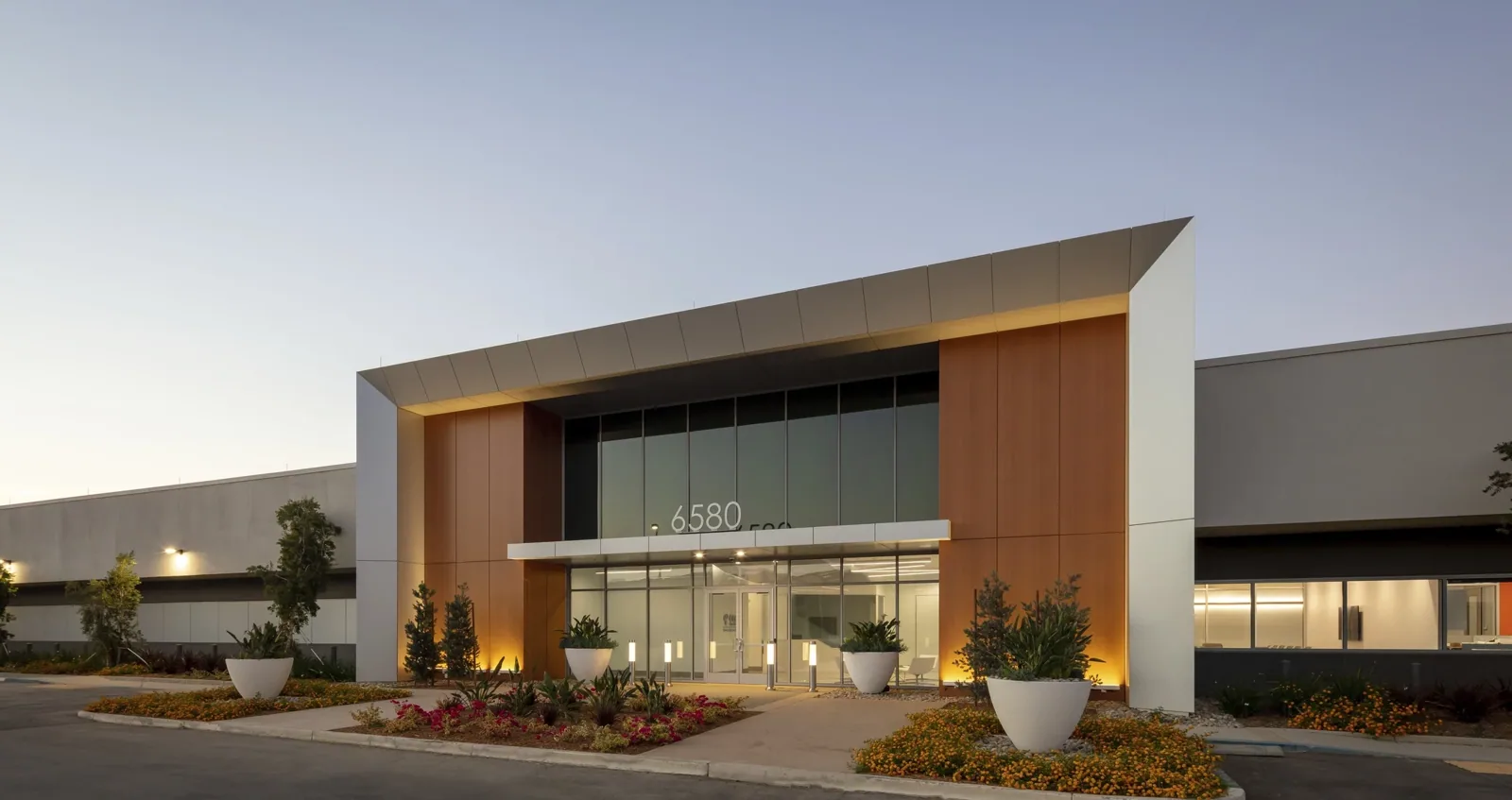
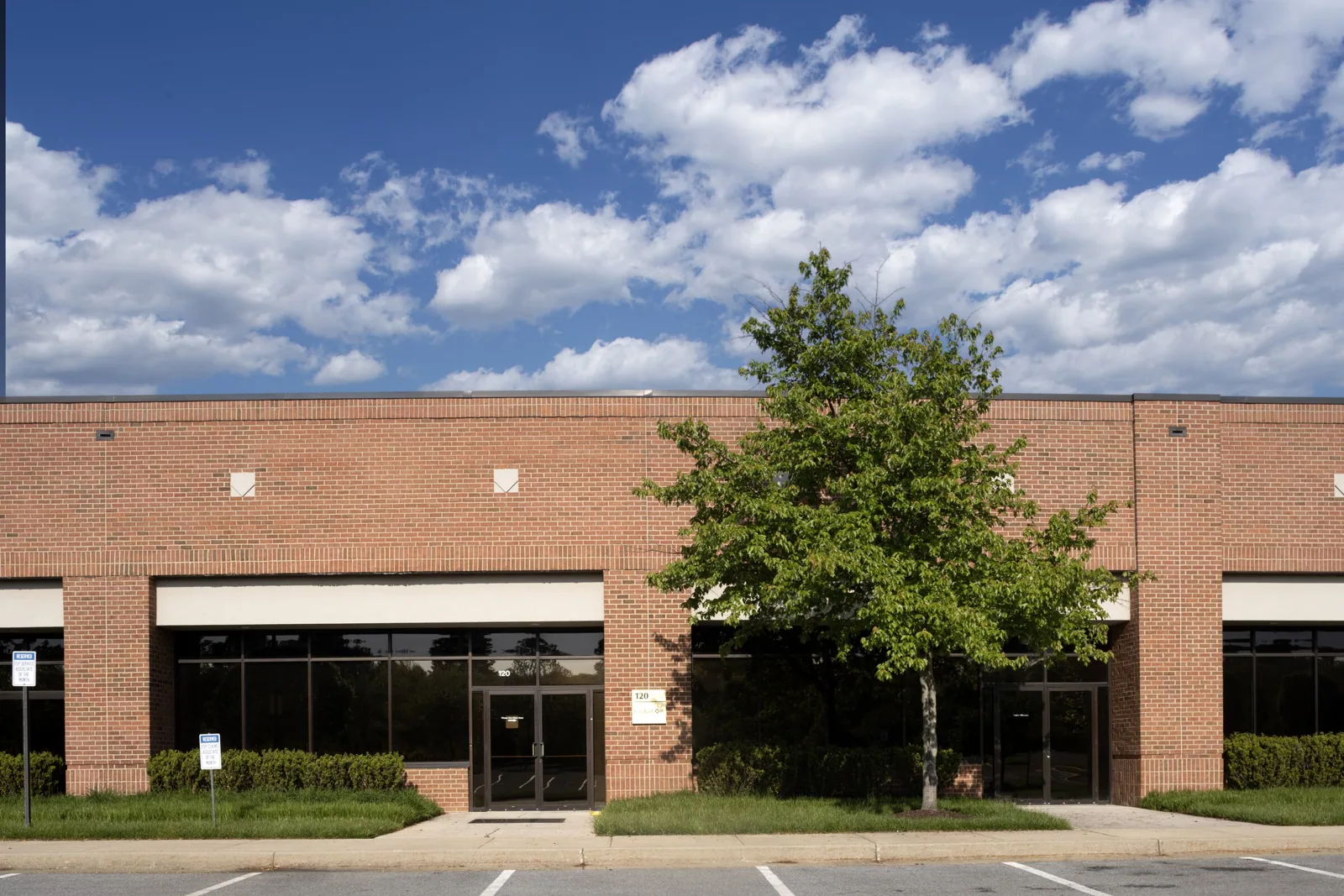
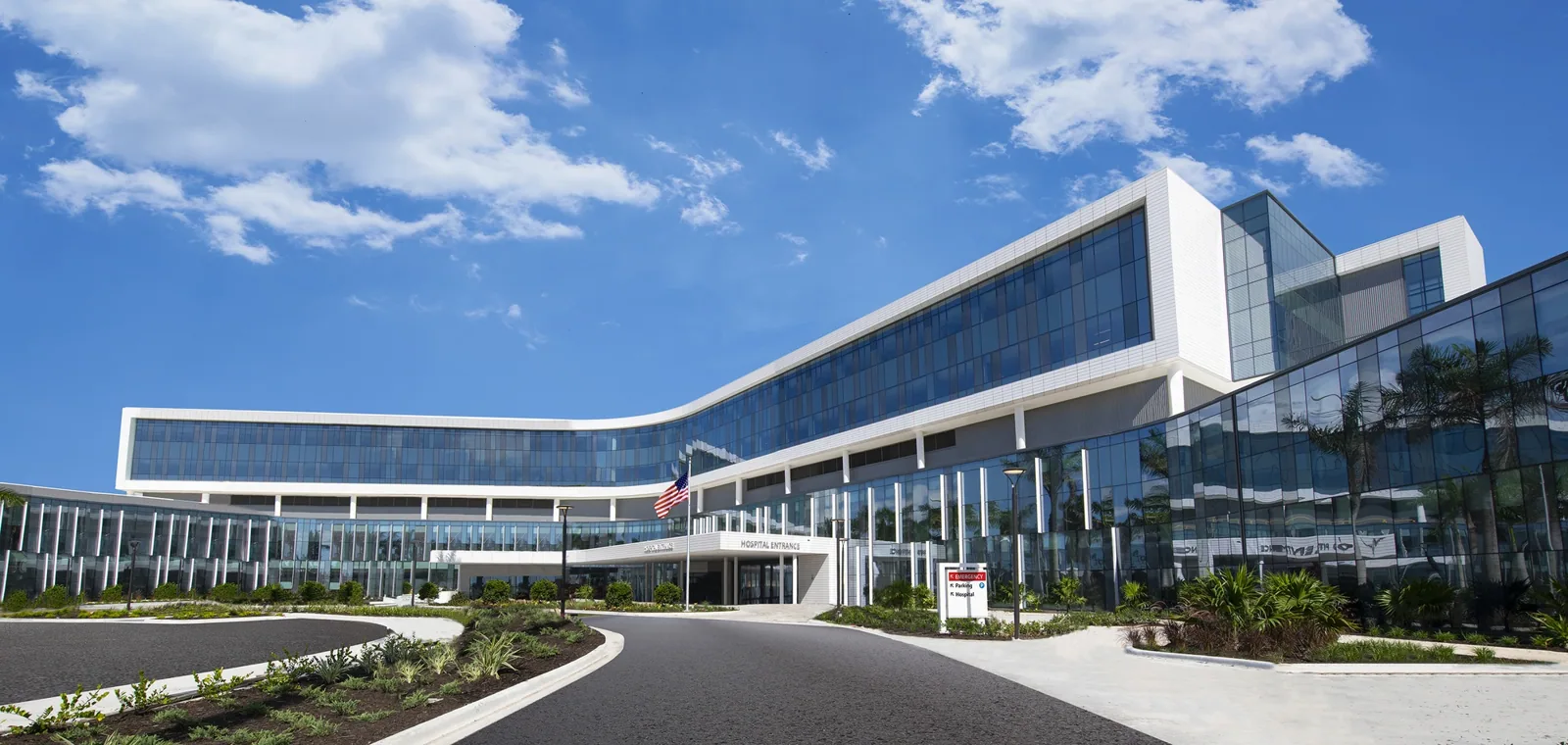
Guest protection: connect rooms to roof zones
Record the room or common area, date, odor or moisture complaint if provided, and whether the condition changes during rain. A stain may sit away from the roof opening. We compare the report with penetrations, drains, wall transitions, low areas, and repairs above. The roof plan should show which rooms or hotel functions lie under a work zone so the manager can coordinate relocation, access, and interior protection. When moisture could extend beyond the visible area, a moisture map or selected test opening can help define the repair boundary.
When water reaches a guest area, roofing response can be arranged beyond the regular schedule, including overnight and holiday hours. A temporary measure should be identified as such, photographed, and followed by a permanent review of the surrounding assembly. Hotel staff can route guests away from an affected corridor, protect belongings, and coordinate room status while the roof team checks the reported entry area. We record the exterior work separately from any interior ceiling or finish repair that falls outside the roofing scope.
Mechanical access: coordinate the roof with hotel services
Hotels may have rooftop HVAC, kitchen exhaust, laundry ventilation, communications equipment, or other systems, but the actual equipment must be inventoried at the site. Mark service routes, curbs, penetrations, and components that cannot be interrupted. A leak near a unit does not establish that its curb failed; inspect nearby seams and drainage before assigning the entry path. If a system requires shutdown or protection during work, name the responsible contact and the access window before mobilization.
Material lifts, staging, noise, odors, and temporary closures can affect guests and staff. The manager should identify loading access, delivery hours, entrances that must remain open, and event dates that change site traffic. At Downtown Lynn, public events and active retail uses can shape the nearby access plan. Along the Lynnway Corridor, regional movement and deliveries provide another reason to verify the actual route, not assume access from a map. A curb and support inspection can document the roof interface.
Drainage and exposure: inspect before the next occupancy cycle
Boston Logan's annual climate includes precipitation and snowfall, winter freezing, and warm summer temperatures. For Lynn hotels, we check roof drains, overflows, low points, and seasonal work access, then compare observed water paths with room reports. If the building has several roof elevations, record which outlet serves each zone and whether a changed insulation or flashing height could affect flow.
Hurricane Sandy brought coastal flooding and strong winds to the Massachusetts shoreline; severe thunderstorms in southern New England can also produce damaging wind and hail. Those records support post-event inspection without assigning cause to an individual building. We photograph actual displaced trim, punctures, impact, or water entry and note the area and date. The Lynn Harbor Port Area supports marine-dependent commercial activity, so coordinate site access around its actual operations; a storm assessment should still stay specific to observed roof conditions.
Scope and scheduling: reduce guest disruption
A defined repair may address an isolated flashing, seam, drain, or penetration when surrounding materials remain suitable. Recover or replacement requires a broader assembly review, including layers, moisture, insulation, roof height, and project requirements. For a hotel, the comparison should show the work area, expected noise or access effect, room or public-area coordination, and how each roof zone will be protected daily. A phase that suits an unoccupied wing may not fit a full-service area with continual guest circulation.
When guest rooms are moved or held out of service, the roof plan should show which dates and zones trigger that decision. Mark any corridor or mechanical room that needs a temporary barrier, and coordinate vertical-transport, fire-alarm, and ventilation access if roofing deliveries intersect those routes. These interfaces influence sequencing and staffing, so they belong in the schedule assumptions before the owner selects a phase.
Cost and timing can change with roof access, equipment coordination, room protection, after-hours work, weather windows, debris routes, and concealed conditions discovered after opening. For this hotel project, confirm the Massachusetts building and commercial-energy provisions that apply during design and permit review. The proposal should list owner decision points if wet insulation, damaged decking, or a failing transition appears. A replacement plan can then be compared with a repair using the same room-to-roof map rather than a general estimate detached from hotel operations.
Handoff record: inform the next facilities shift
Provide the hotel with a marked roof plan, dated photos, repair locations, equipment interfaces checked, drain findings, and any work deferred. If a room or corridor was affected, connect it to the roof zone where the link is supported. Note temporary protection separately from the permanent detail and tell the facilities contact what should be observed after the next rain. That handoff lets day and night shifts share one clear status instead of relying on a note passed between departments.
Future inspections can revisit known leak zones, roof access paths, drains, and equipment curbs before busy occupancy periods where scheduling allows. Keep details of inaccessible areas in the record so a later reviewer understands the limits. If hotel equipment or rooftop signage changes, coordinate the opening and flashing before the new system is installed. A closeout file should describe the scope performed, the conditions found, and the remaining questions without promising that the roof will never require further work.
Commercial Roofing Questions
How should a hotel handle a leak over an occupied guest room?
Protect the room and notify the appropriate facilities contact, record when the leak appears, and arrange a roof review. We trace nearby details and map the finding, separating temporary water control from the permanent repair scope.
Can roof replacement be scheduled without closing the hotel?
That depends on the building layout, work zone, guest access, equipment interruptions, and temporary protection plan. We identify phased options and the schedule assumptions so management can decide what areas need relocation or closure.
What should hotel staff report before a roof inspection?
Share the room or common-area location, timing, weather, equipment concerns, access contact, and any guest or event restrictions. Those details focus the roof walk and help coordinate protection below.
Does a leak near rooftop HVAC equipment mean that equipment caused it?
No. Inspect the curb, flashing, nearby membrane, penetrations, and drainage before assigning a cause. The report should identify the observed condition and any test needed to confirm a concealed path.
What should a hotel roofing closeout include?
Keep a roof-zone plan, room or area references where supported, dated photos, materials installed, drains and curbs reviewed, deferred work, and a note on temporary measures or follow-up checks.
Schedule a hotel roof review
Send the affected room or area, occupancy and event constraints, equipment access needs, and the facilities contact. We will document the roof condition and outline a sequence that accounts for guest operations.
Back to Property Types We Roof.