
Commercial Roofing for Retail and Restaurant Chains in Lynn, MA
A chain location needs a roofing scope that protects the customer path and states when the work area will be closed again. In Lynn, MA, Downtown Lynn's cultural district includes restaurants, retail, galleries, public art, and events; Peabody’s city planning material identifies separate Downtown, Main Street, and Washington Street districts. A store manager confirms delivery timing, entrance protection, signage needs, and operating hours before the roof sequence is set; inspection findings stay tied to the building's own roof zones. We inspect the roof zones, document the reported condition, and build the scope around the actual operator's access plan. Restaurant roof work must account for the equipment and penetrations that serve the building. When one operator manages several locations, we keep condition records and repair limits separate so a finding at one storefront does not become an assumption about another.
Commercial Roofing Lynn plans roof repairs and replacement around customer access, deliveries, kitchen equipment, and documented daily closure points.
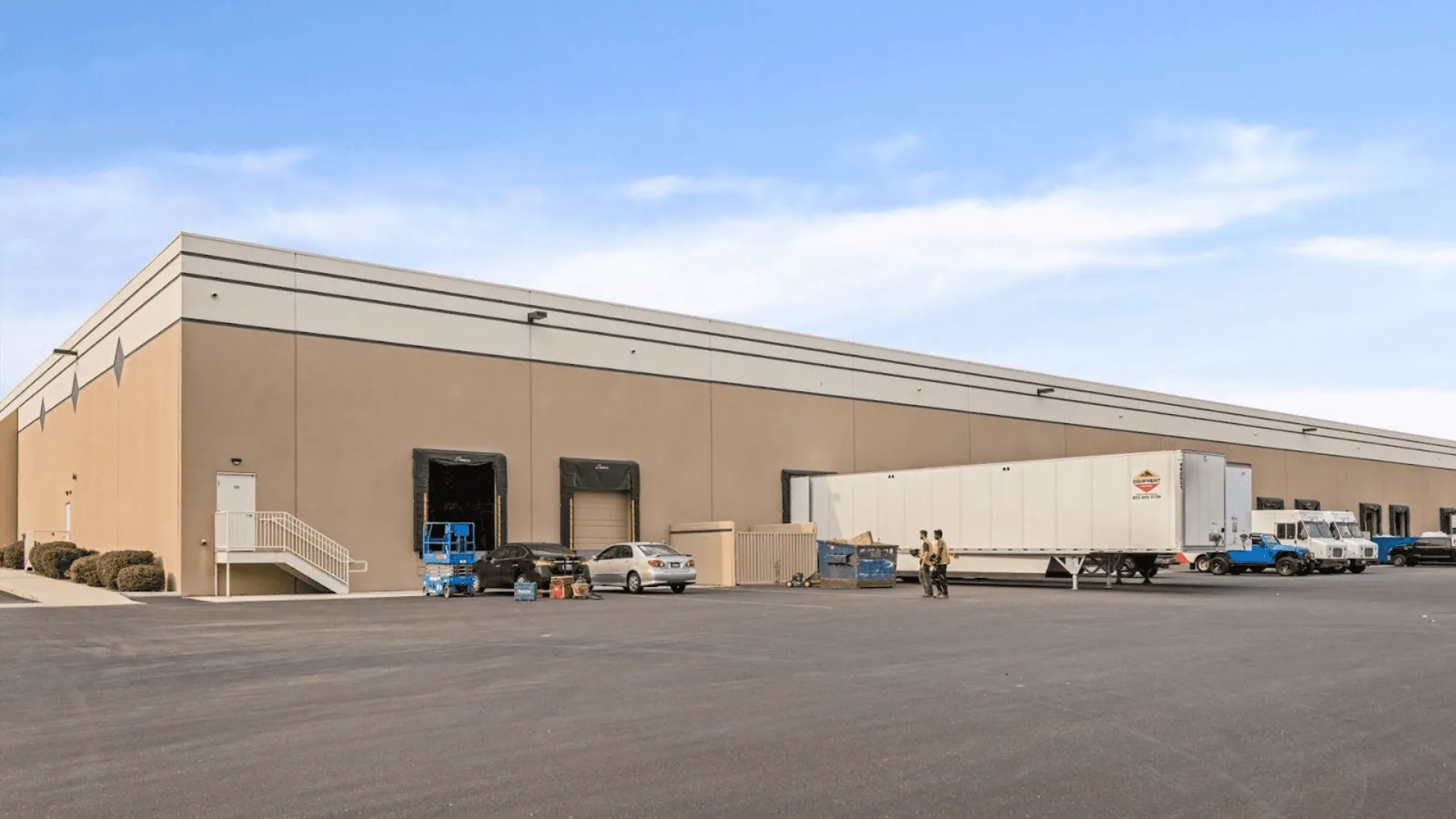
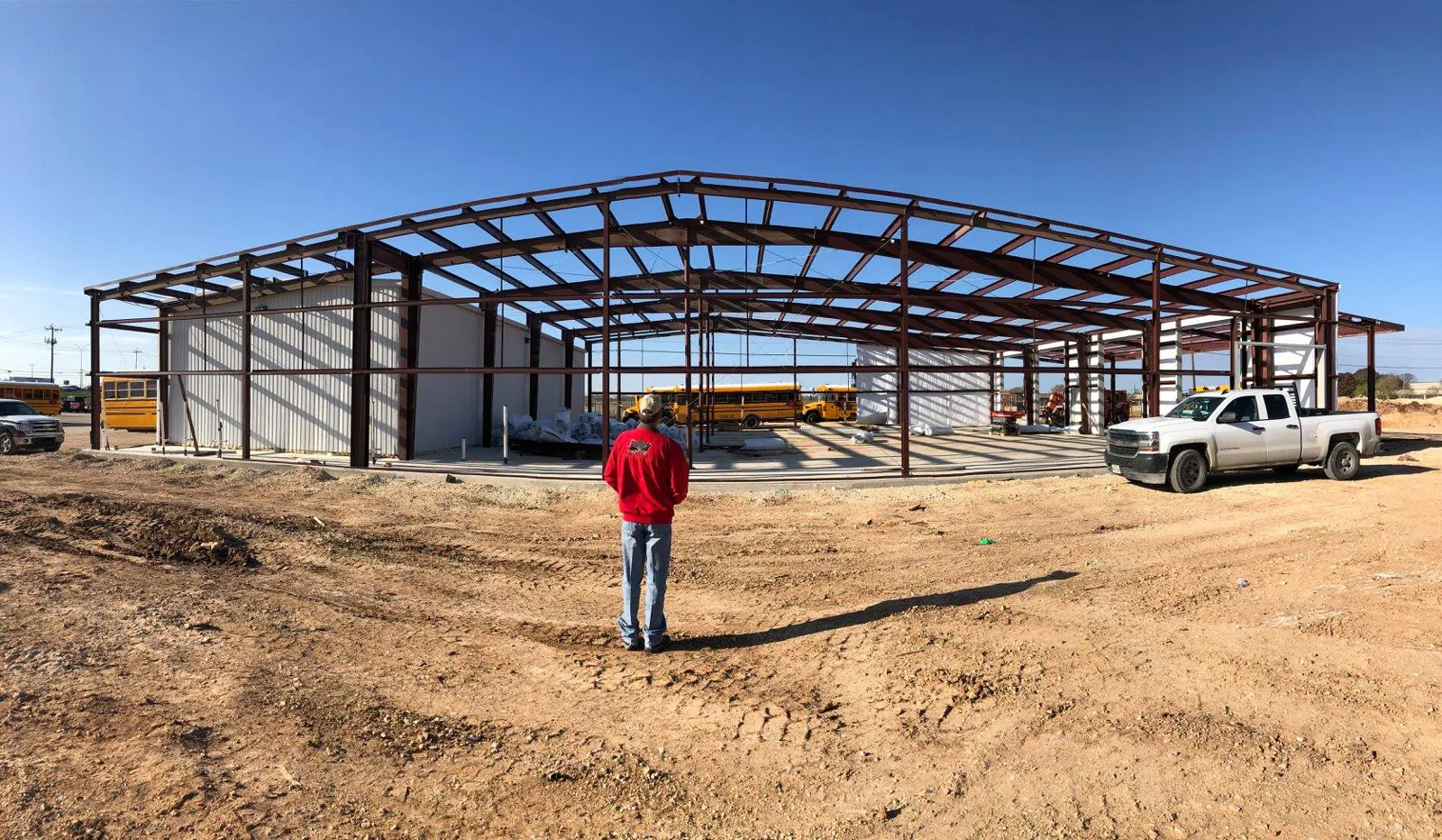
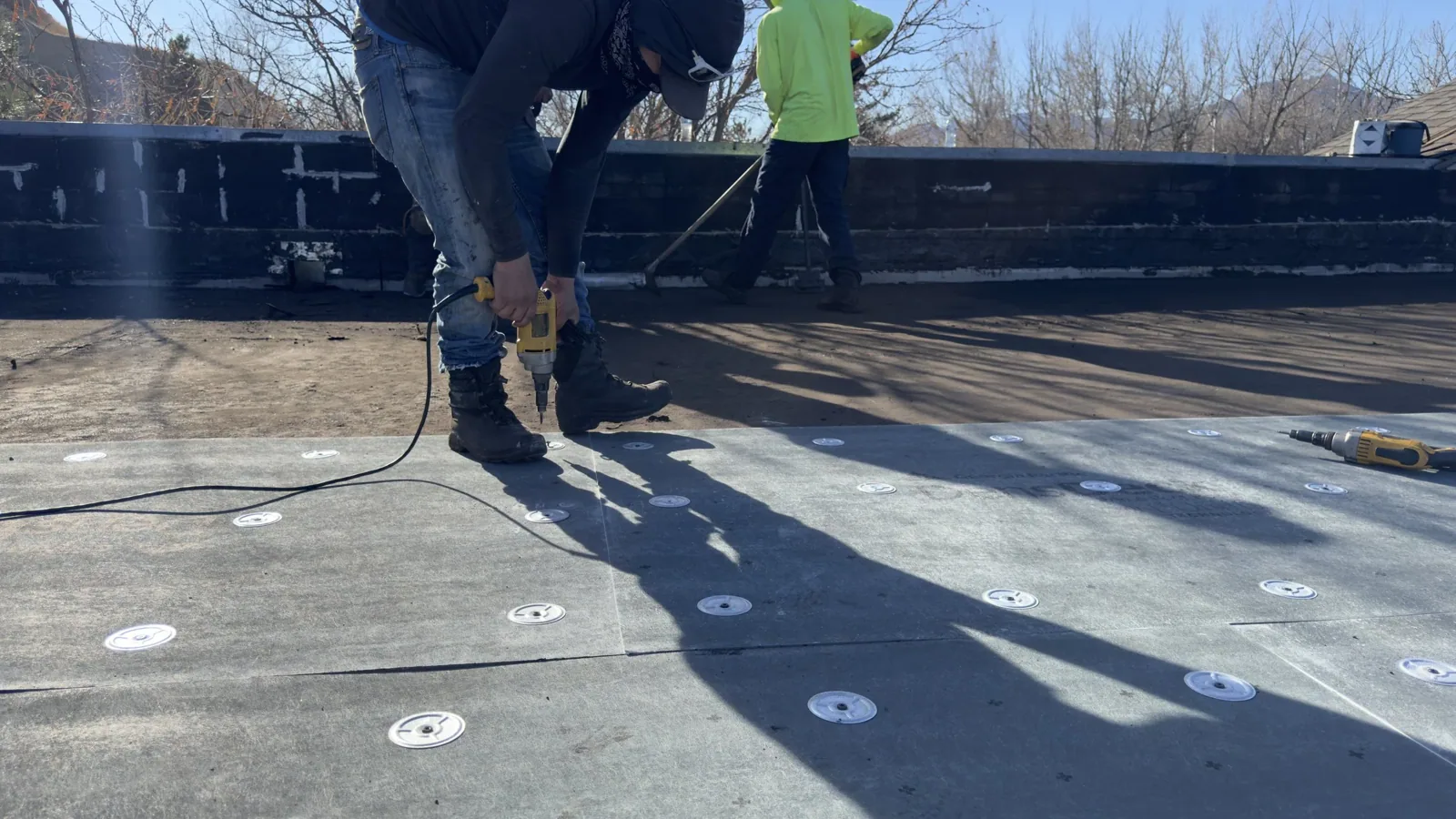
Store access: keep the public route clear
Before work begins, we confirm which entrance stays open, where materials can be staged, what hours limit noise, and whether deliveries, refuse pickup, or customer queues cross the work boundary. If a lift or crane is proposed, we need the site contact to confirm placement and any temporary restriction. The written sequence should show how customers and employees remain separated from overhead work, how the area is secured at shift end, and when the route can reopen. For a multi-tenant center, the owner or manager may need to coordinate notices across more than one storefront. Property managers can help align those contacts with the roof work schedule.
A restaurant may also have exhaust hoods, intake equipment, grease discharge, and service penetrations whose operating requirements need review before flashing is disturbed. We identify each affected curb or penetration and note where mechanical work by others is required. The roof scope should not assume a kitchen shutdown or filter change; it should state the coordination point and access window that the operator confirms.
Roof details: inspect the equipment and drainage path
Store leaks can begin at rooftop equipment, skylights, seams, drains, or the perimeter, and water may travel before it appears on a sales floor or kitchen ceiling. We document the room or zone reported, then inspect the corresponding roof area and nearby details. A repair should reach sound material and show its boundary; adding sealant to a curb or seam without resolving movement or water route can leave the same question for the next storm. Penetration and skylight flashing needs an assembly-specific check, while drainage review follows the water to an outlet and identifies a blockage, damaged component, or slope issue.
We photograph the condition with a reference point and note whether equipment was operating or access was limited. If wet insulation may extend beyond the visible damage, a test opening or moisture survey can set a more reliable repair quantity. The owner receives the observed finding separately from any area that could not be confirmed, keeping the proposed work reviewable before a store schedules access.
Lynn exposure: plan after rain, snow, and coastal wind
Boston Logan's record shows 48.2 inches of snow over an average year and 44.52 inches of precipitation. For a retail location, we check drains, scuppers, flashing transitions, and exposed edges before seasonal service, then document the roof conditions that affect the store's operating window. Sandy's 2012 flooding reached Massachusetts, and the storm also produced wind measurements at Boston and Revere Beach. The repair sequence follows the reported store zone and what the roof walk finds.
Downtown Lynn and Peabody are different retail contexts within the wider service area. Peabody includes city-planned Downtown and Main Street districts; Lynn’s cultural district includes local restaurant and event uses. This geography informs access questions; the manager confirms entrances, deliveries, and operating hours for each location.
Brand operations: compare a repair with planned renewal
A local repair can be the right response to a contained defect, while repeated leaks, widespread material failure, or moisture discovered below the surface may call for a broader comparison. We identify the included roof section, materials assumed, temporary protection, staging needs, and exclusions for each option. If a chain has a standard store format, we can use a consistent closeout checklist while still recording the actual roof assembly and site conditions at each location. Hospitality operators face similar access coordination, but each building and guest route needs its own plan.
For a commercial alteration, Massachusetts' 10th Edition 780 CMR uses the 2021 IBC as its model and applies state provisions; energy design draws on 2021 IECC or ASHRAE 90.1-2019. The local review process determines what the specific store project triggers. We identify the membrane and changed details for that discussion. The final file should contain dated photos, repaired zones, materials, any change approvals, and a follow-up recommendation, giving the chain an asset record it can compare during the next repair or capital cycle.
For stores with recurring service vendors, the manager can identify who controls access to the roof hatch, who receives notice before a work shift, and who can confirm that a customer or delivery route is clear. If a tenant changes, we preserve the roof-zone photos and repair history so the next operator does not inherit an undocumented condition. A chain can compare locations using consistent fields for assembly, active leak, open repair, and next inspection, while retaining a separate record for each site's equipment, flashing, and access limits. That makes regional reporting useful without implying that every shop needs the same scope or timing.
During a project, a daily update should state which area closed, whether weather changed the plan, and what remains for the next shift. The manager can then decide if an entrance notice, service adjustment, or tenant contact is needed before work resumes. We document any condition discovered beyond the approved repair boundary and pause for direction when it changes quantity or access, rather than folding an unrelated item into the original scope.
Commercial Roofing Questions
Can a store stay open while roofing work is underway?
That depends on entrances, customer movement, safety separation, roof access, noise, and the section being opened. We review the site with the manager, set the work boundary, and state whether a temporary route change or limited closure is needed before the project calendar is confirmed.
How do you protect restaurant operations around rooftop exhaust?
We identify the equipment and affected flashing, then coordinate with the operator or mechanical contact before a detail is opened. The roofing scope states where mechanical support is required and how the roof will be closed at the end of the work period.
Can chain locations use the same inspection format?
A shared checklist can keep photos, condition labels, and closeout information consistent, but each roof still needs its own observed assembly and repair history. We record location-specific access and findings rather than assume one store has the same condition as another.
What information should a manager send before a leak visit?
Send the affected room or sales area, when the water was noticed, whether the problem recurred, recent weather, and any access restrictions. We use it to guide the roof walk and then document where the roof condition differs from the interior symptom.
When does a repeat leak justify a larger project review?
A repeat report should prompt a comparison of prior repair locations, current moisture findings, and the condition of nearby details. If the new inspection shows a broader failure or a concealed area that needs testing, we can define that next step separately from the immediate repair.
Coordinate a Lynn retail roof inspection
Share the store use, reported area, entrances and delivery windows, roof plans, and manager contact. We will document findings and a work sequence that fits the site.
Back to Industries We Serve.