
Commercial Roof Fire Damage Repair in Lynn, MA
A fire can affect the roof through direct flame, radiant heat, smoke, suppression water, and access by emergency crews, so the first roof inspection needs to separate those conditions. For a Lynn, MA building, we map the affected zones, document openings and visible material changes, and coordinate access with the owner after emergency officials release the area. Lynnway Park includes food-processing, storage, and cold-storage activity, while Lynn Harbor supports marine-dependent industrial uses; those are local building contexts, not claims that a fire occurred at either place. Saugus can help frame the type of operations an owner may need to protect during restoration. A property near Downtown Lynn may require a separate public-access plan; we confirm each owner’s entry restrictions before setting restoration work windows.
Commercial Roofing Lynn assesses roof openings, membrane, insulation, and flashing after fire, then documents temporary protection and repair limits.
Access and safety: inspect after the area is released
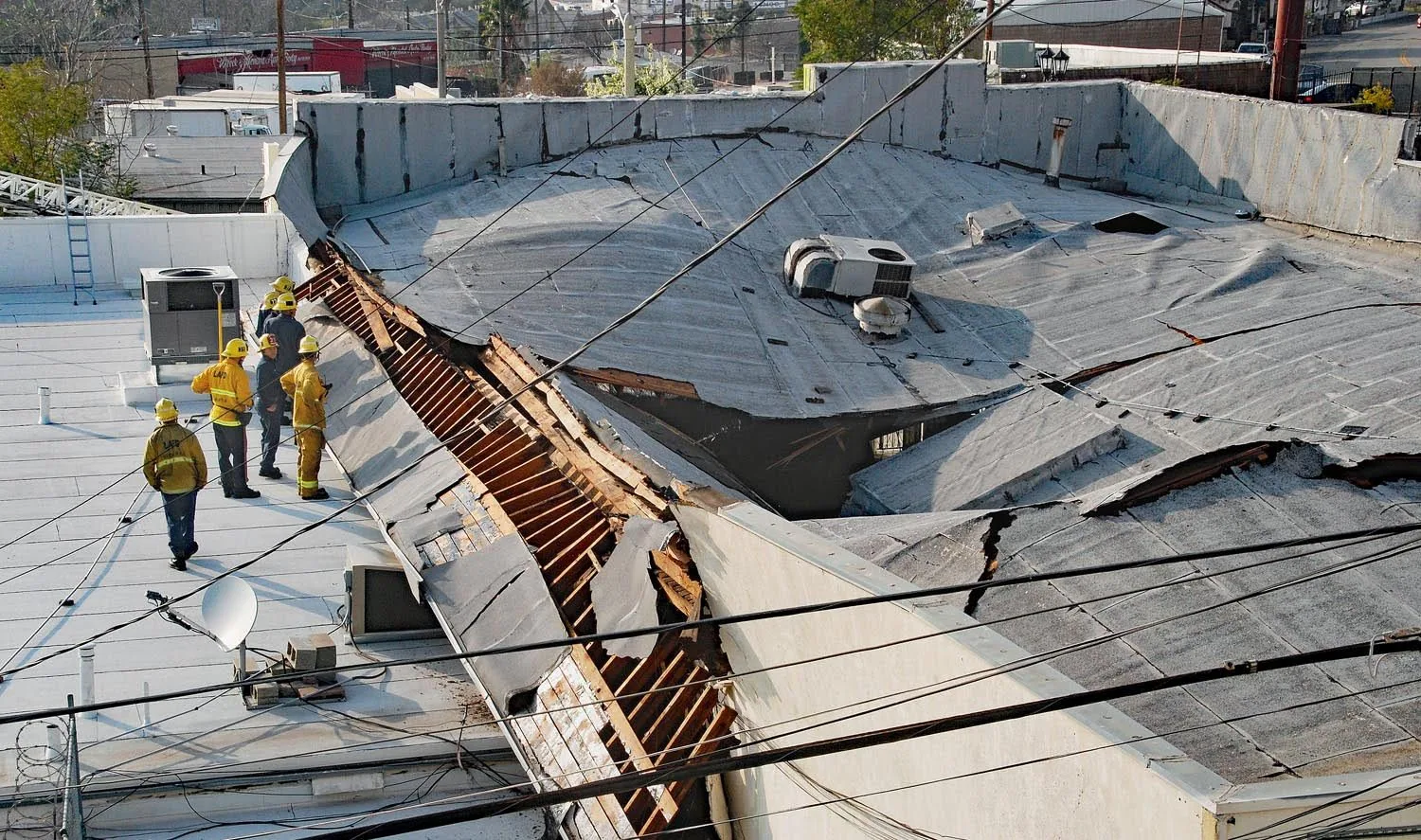
Roof access should wait until the building representative confirms the structure and surrounding work area are safe to enter. We coordinate with the owner and restoration team about restricted zones, temporary barriers, damaged equipment, and any debris that could shift underfoot. A roof walk records the path used, what was accessible, and which areas remained unsafe or blocked. We do not disturb unstable components or enter an area that has not been cleared for inspection.
Once access is approved, the inspection map can separate the fire area from adjacent roof sections, mechanical units, and places where suppression water traveled. Emergency roof protection may be needed to cover an opening before the permanent assembly is ready. We photograph the temporary measure and state what remains exposed so the owner can coordinate with the restoration contractor and interior trades.
Heat and smoke: identify changes to the roof assembly
Heat can soften or deform a membrane, blister a coating, damage insulation, or affect the deck and supports beneath the visible surface. Smoke residue may obscure seams and labels, while suppression water can move through openings and collect in low areas. We inspect the membrane, edge details, penetrations, insulation where exposed, and adjacent roof zones for changes that can be distinguished from prior conditions. If a structural or fire-resistance determination is needed, we record the roofing observations and refer that question to the appropriate design professional or authority.
Marine-dependent uses around Lynn Harbor and the warehouse, processing, and storage activity at Lynnway Park make equipment access, inventory protection, and delivery timing central to restoration planning. We confirm those constraints with the building contact and tie removal limits to the roof conditions documented at the property.
Thermal exposure can be uneven across the roof. A membrane close to a hot exhaust or flame path may show a different condition from material beyond the affected zone, and the deck may require inspection even where the exterior sheet remains in place. We note discoloration, distortion, exposed substrate, open seams, and changes at the roof edge, then keep any conclusion about structural capacity with the engineer or official responsible for that determination. The owner can use the marked plan to separate roofing work from the rebuilding scope below.
Suppression water: trace moisture beyond the visible opening
Water used during suppression can enter through a roof opening or travel along a deck and insulation joint before reaching an interior ceiling. We compare the owner’s report with the roof-zone map, drain paths, and the areas where the assembly was disturbed. If wet insulation is suspected, a test opening or moisture survey may help establish the boundary before a repair quantity is set. An infrared moisture survey can guide follow-up testing when conditions support it, but thermal patterns alone do not confirm which layer is wet.
At Boston Logan, annual precipitation averages 44.52 inches and snowfall averages 48.2 inches; winter cold also affects temporary protection. We describe the dry-in material, edges, attachment, and inspection interval. Where an opening remains near a parapet or penetration, the record identifies that exposure separately from damage caused by heat. Flashing repair may be necessary if the affected transition is open after debris removal.
Restoration scope: separate roof work from rebuilding
Before repair, we identify whether the project requires removal of burned membrane, wet insulation, damaged cover board, or a section of deck. The proposal should state the observed layers, roof area, temporary protection, tie-in detail, access, and items that require structural or mechanical direction. If removal reveals a different assembly, we photograph the condition and request approval before changing the quantity. Membrane opening repair applies to a localized cut or opening; broad thermal or water effects may need a larger scope. The choice between repair and replacement should follow the extent of confirmed damage.
Closeout includes dated before-and-after photos, materials used, repaired roof zones, interfaces with other trades, and remaining conditions. Claim documentation can preserve the chronology and roofing scope while the policyholder and insurer review coverage. We keep that work record distinct from decisions about structural capacity, contents, or interior reconstruction. The owner receives a follow-up recommendation for any area that was inaccessible during the first inspection.
Project timing depends on safe access, emergency clearance, material lead time, weather, and how many roof layers must be exposed. If an opening cannot be permanently closed during the first visit, the temporary detail and inspection interval should be explicit. We also state what must happen before the crew can proceed, such as equipment disconnection, debris removal, or design direction. These dependencies help the owner sequence roofing with restoration without treating an estimate as a promise about the whole building recovery.
Where an assembly crosses an area that was not affected, we inspect the proposed tie-in and document the limits of that review. The repair may meet undamaged material at a defined boundary, or the owner may need a broader replacement comparison if damage interrupts continuity across multiple zones. We explain which condition drives the recommendation and what further evaluation remains.
For heat-related removal, we compare the affected membrane with seams, corners, penetrations, and wall returns before detailing a new tie-in. The estimate separates confirmed removal from any allowance for concealed layers and names the temporary dry-in, disposal, and next inspection point. This gives the owner a clear handoff between roofing repair and interior restoration.
Commercial Roofing Questions
Can you inspect a roof while fire crews or investigators are still working?
We coordinate access only after the owner or responsible authority confirms the roof area is safe to enter. The first visit records accessible conditions and restricted zones; it does not interfere with emergency work or an active investigation.
How do you separate heat damage from suppression-water damage?
We map visible deformation, openings, residue, and water paths separately, then identify where testing is needed to determine the condition below the membrane. The report records observations and limits rather than treating every affected roof area as the same type of damage.
Does smoke residue mean the membrane must be replaced?
Not by itself. We examine the surface and assembly for heat effects, bond changes, contamination, and damage to underlying layers. A test or system-specific evaluation may be needed before deciding whether cleaning, localized repair, or removal is appropriate.
What should the temporary roof protection include?
The temporary detail should cover the opening, secure its perimeter, direct water away from the interior, and identify when it will be checked. We photograph the protection and list any remaining exposure or access limitation for the owner.
Can the roofing work proceed before interior restoration is finished?
It may be possible to complete a roof repair while interior rebuilding continues, provided access, sequencing, and tie-ins with other trades are coordinated. We define the roof boundary and closure point so the owner can schedule both scopes without confusing responsibility.
Arrange a Lynn post-fire roof inspection
Share the building use, area released for access, incident timeline, visible roof opening, and restoration contact. We will document the roof condition and temporary protection needs.
Back to Roof Damage Repair.