
Commercial Roof Heat and UV Damage Repair in Lynn, MA
Heat can make a roof surface brittle, accelerate coating wear, and increase movement at seams and details, while ultraviolet exposure gradually affects materials left uncovered. Nearby Boston Logan averages a July mean daily maximum of 83.2 degrees, while Lynn roofs also cycle through winter cold and rain. In Lynn, MA, Lynnway Park includes warehouse and cold-storage uses, while Downtown Lynn includes retail, galleries, restaurants, and public events. These settings help frame interior and access concerns; the roof's assembly and current surface condition determine whether repair or renewal fits. Nearby Saugus has its own Route 1 commercial area, while each roof needs a condition-based review.
Commercial Roofing Lynn checks heat and UV-related roof deterioration, seams, coatings, and flashing before defining repair or renewal work.
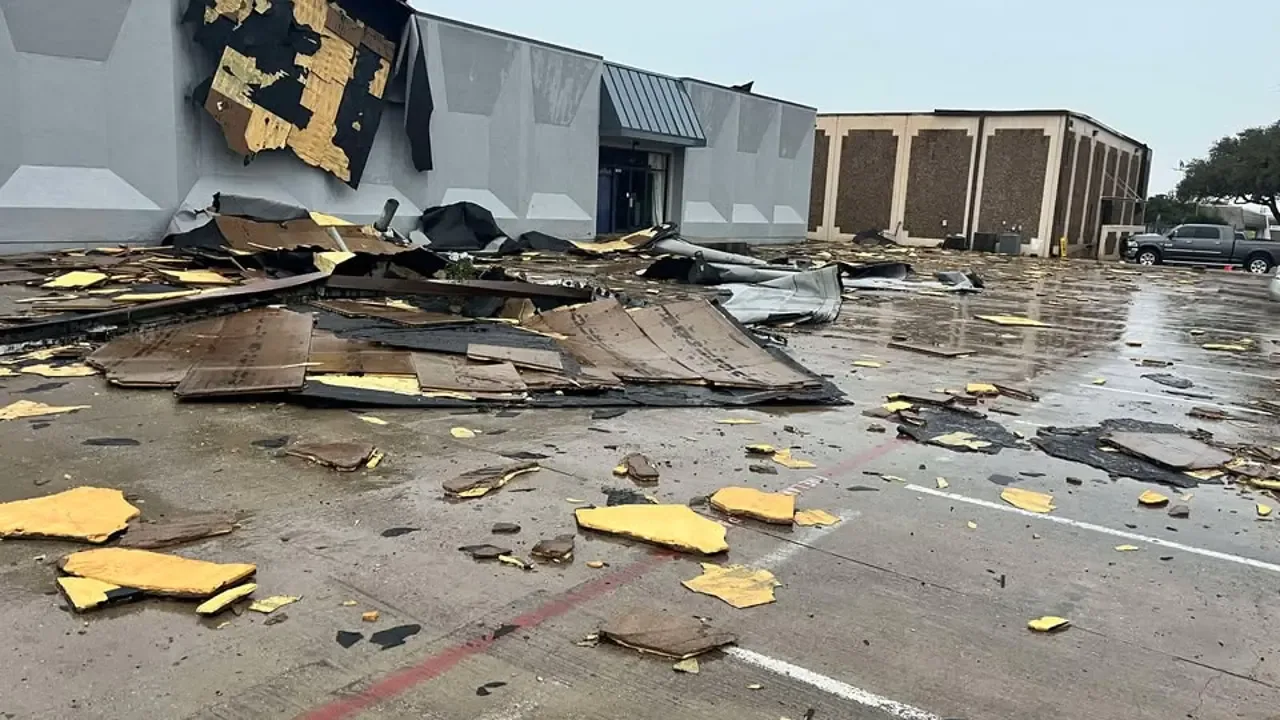
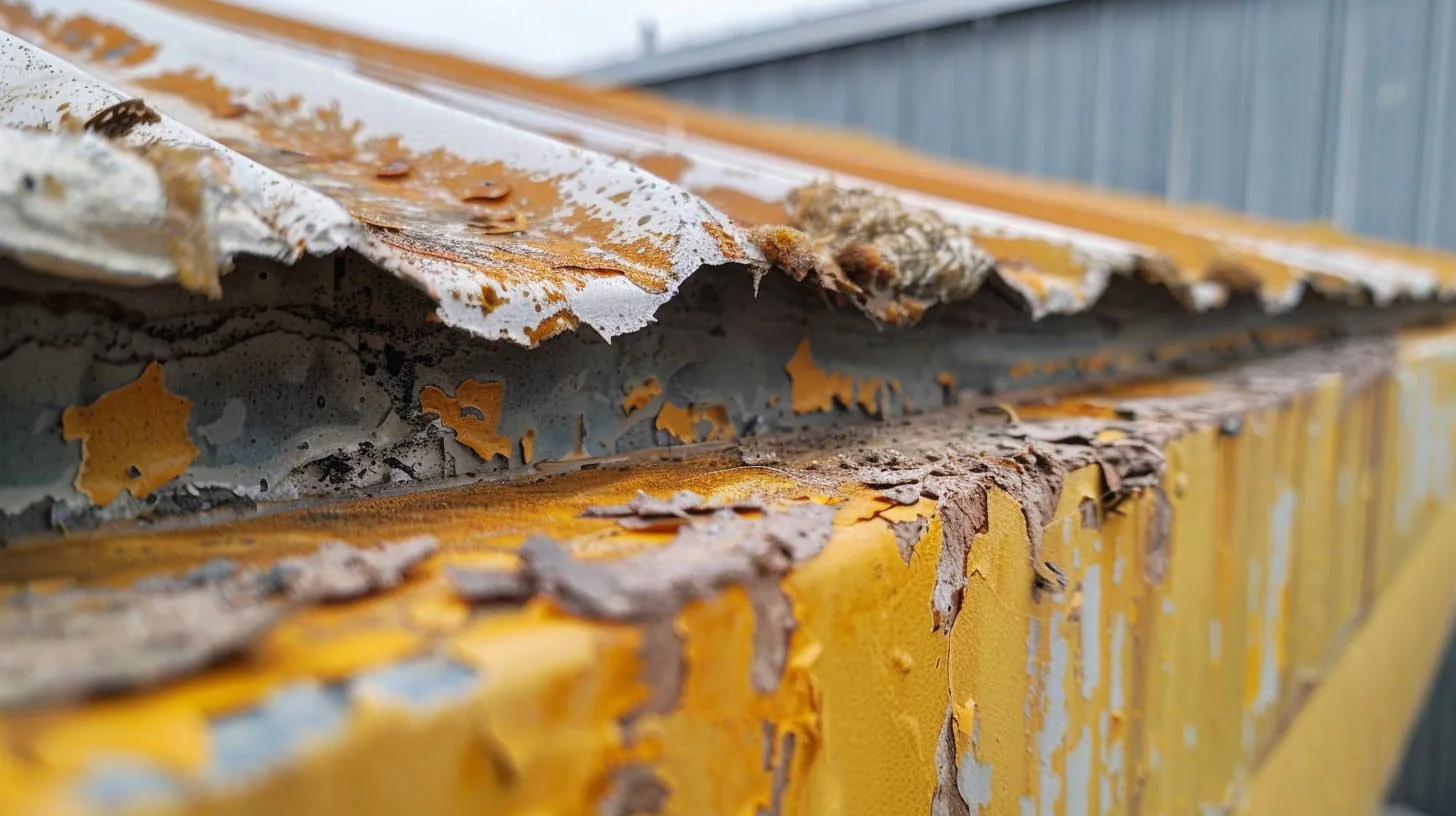
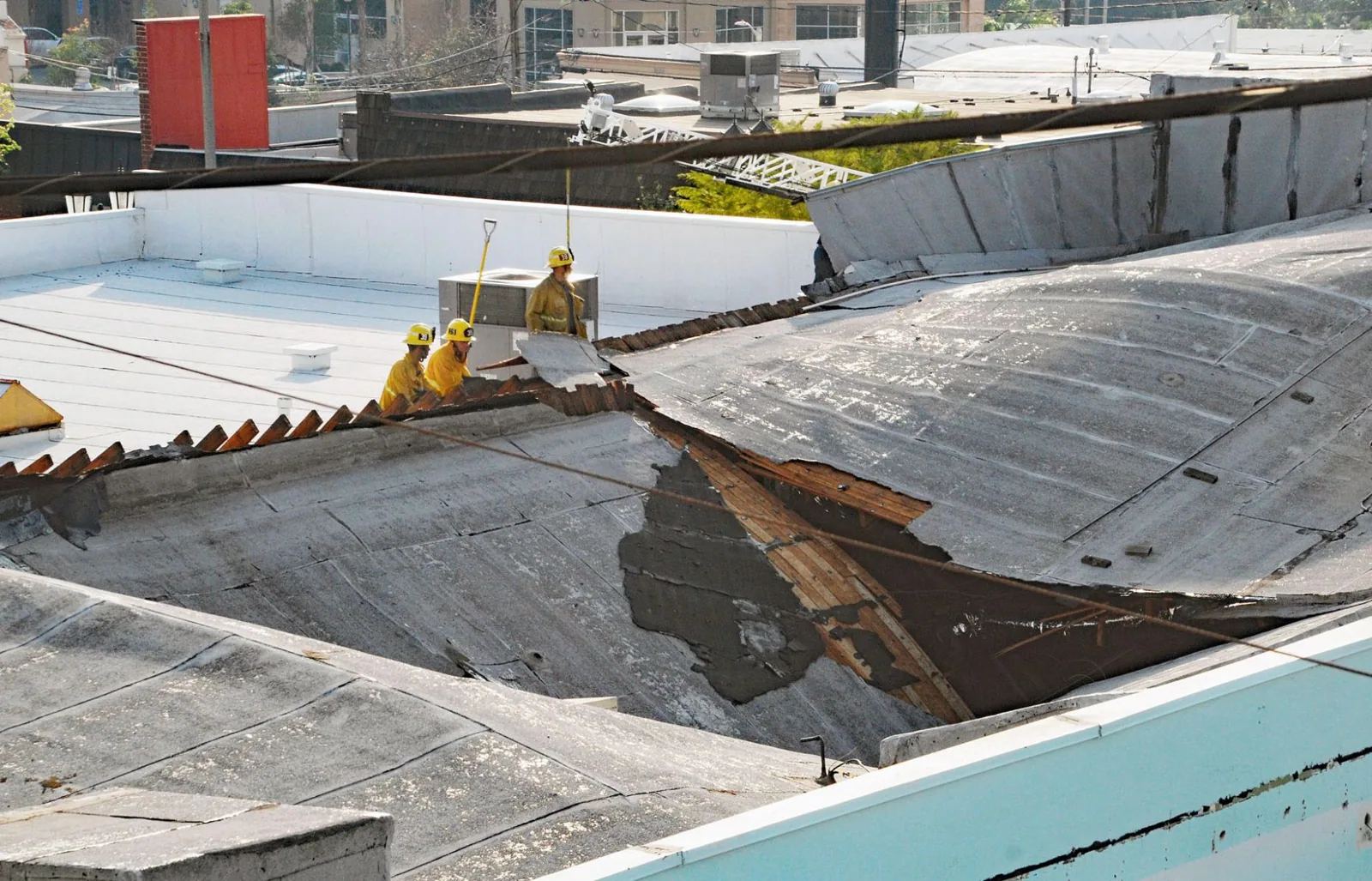
Surface check: distinguish wear from a functional opening
We look for surface cracking, loss of granules or coating, exposed reinforcement, open laps, brittle flashing, and areas where the membrane has pulled away from a curb or wall. Color change or chalking can show surface exposure, but it does not by itself establish that water can enter. The report ties each visible condition to a roof zone and notes whether the material remains flexible and bonded around it. Silicone coating systems and acrylic coatings have different material behavior and maintenance needs, so the existing surface must be identified before proposing a restoration layer.
We inspect penetrations, fasteners, edges, drains, and prior patch boundaries where thermal movement may concentrate stress. If a crack extends through the sheet or a seam has separated, we identify the actual opening. If the surface shows aging without a leak path, we may recommend monitoring or a broader condition review rather than treating appearance alone as a failed roof.
Heat-related distress is easier to evaluate when the inspection separates exposed field membrane from details that experience different movement. We compare sunny and shaded roof areas, drainage paths, equipment supports, perimeter transitions, and patches installed at different times. A coating may look sound across an open field while a curb corner has split; conversely, a weathered-looking surface may still be continuous and bonded. The inspection records conditions by zone instead of extending one observation across the whole roof. For occupied buildings, we also ask whether a reported ceiling mark is active, recurring, or unchanged, then coordinate safe access and interior protection around those rooms.
Assembly record: check what lies below the weathered layer
A surface inspection does not reveal whether insulation is dry or whether an older coating hides a previous repair. We compare accessible records with visible layers and note differences between roof sections. Where moisture is suspected, a test opening or survey can confirm the concealed condition before repair quantities are assigned. Infrared moisture review can guide testing under suitable conditions, but the scan is not a substitute for confirming the layers. A dated photo record should show the test location and what was found.
At Lynnway Park, food-processing, storage, and cold-storage uses make operating windows important during roof work. At the coastal Lynn Harbor port area, access and staging may involve marine-dependent industrial activity. Those facts do not determine the roof system or its age. We confirm the actual assembly, equipment access, and interior priorities with the owner before setting the work boundary.
When a repair is proposed, the sequence matters as much as the product. Preparation may include removing loose material, cleaning the repair area, drying the substrate, and confirming that the new material bonds to the existing layer. If the roof is damp below the surface, encapsulating it can preserve a concealed problem. If the substrate is stable but the existing coating is incompatible, a small adhesion test may be needed before a broader application. The work plan should identify the test area, acceptance criteria, and what happens if the assembly does not support the proposed repair. That decision protects the owner from paying for a surface treatment that cannot solve the underlying condition.
Seasonal exposure: connect summer wear with winter water
Nearby Boston Logan's seasonal pattern pairs summer warmth with winter cold, annual rain, and snowfall. A roof can move through both hot and cold conditions while rain and snow test its seams, edges, and drainage. A coating that has lost adhesion, a split lap, or a brittle penetration boot should be assessed as a specific defect. We use the seasonal cycle to prioritize inspection of drainage, edges, seams, and exposed details.
Lynn's coastline experienced flooding during Hurricane Sandy, and the 2012 event also brought strong regional winds. For a heat-and-UV review, the inspection still starts with field evidence at seams, edges, coatings, and penetrations. Severe weather can add impact or movement to gradual surface wear, so the report records each observed condition by roof zone. After a severe event, we inspect the same roof zones for movement or openings and separate that condition from gradual surface wear. Wind damage assessment can record new movement while hail inspection looks for impact effects that may need a different repair.
Summer is only one part of the exposure cycle. Lynn roofs also face winter temperatures, precipitation, and snow, so an inspection should consider how water leaves the roof and how repairs will perform through subsequent movement. We note open drains, debris, loose edge metal, and vulnerable penetrations alongside surface deterioration. The report keeps surface aging, winter water entry, and storm effects in separate roof-zone findings so the repair addresses the defect that inspection confirms.
Repair choice: restore only after the base is understood
A localized crack or failed flashing may accept repair when the surrounding membrane remains sound. A coating is considered only after the substrate, adhesion, moisture, and detail condition are suitable; it cannot correct wet insulation, open seams, or unstable flashing by itself. If deterioration covers several roof zones or the assembly is not a good restoration candidate, we compare a broader repair, recover, or replacement scope. Coating restoration requires a compatible base and preparation, while replacement planning accounts for removal and exposure during work.
The proposal states surface preparation, materials assumed, repair boundaries, staging, temporary protection, exclusions, and what requires a test opening. Cost and timing depend on roof access, how much substrate needs preparation, compatibility, moisture findings, and weather. The closeout file includes photos, repaired areas, product information, and a follow-up inspection recommendation so the next season can be compared with the current condition.
Commercial Roofing Questions
Does a faded or chalky surface mean the roof is leaking?
Not by itself. We inspect the surface and nearby seams, flashings, and penetrations for a functional opening, then note whether material remains bonded and flexible. Appearance can be recorded for monitoring without being converted into a leak repair.
Can a coating fix a roof that has been exposed to heat for years?
A coating may restore a suitable, dry, compatible base after repairs and preparation, but it cannot correct every assembly condition. We check adhesion, moisture, seams, and details before recommending restoration or comparing it with another scope.
How can we tell heat-related wear from storm damage?
We review the pattern and condition of the material, compare with prior records and event timing, and identify what the inspection supports. A storm date alone does not prove cause, and gradual surface wear should remain distinct from a new opening.
Will a surface repair stop recurring leaks at a penetration?
Only if the entry path is the penetration detail and the surrounding assembly is sound. We inspect the curb or boot, membrane tie-in, adjacent seams, and concealed layers as needed before defining the repair boundary.
What should be included in a heat or UV repair proposal?
List the affected roof zones, surface preparation, material compatibility, repair or coating method, test findings, access, and exclusions. Photos should show the condition before work and the finished tie-in, with a follow-up date for later comparison.
Arrange a Lynn heat and UV roof review
Share the building use, roof age if known, prior coating or repair history, reported areas, and access contact. We will document surface condition and repair options.
Back to Roof Damage Repair.