
Church Roofing in Lynn, MA
A leak above a sanctuary, fellowship room, or office needs a roof-zone record before the next service or event. We map the reported interior area to the roof above, then inspect seams, flashing, drains, wall transitions, and any prior repair that could explain the path. A ceiling mark does not establish where water entered. The photo record separates the visible defect from areas concealed below the membrane, and identifies whether a test opening is needed before the repair boundary can be set.
Church buildings can include assembly space, classrooms, kitchens, offices, and community rooms, each with a different use calendar. The facility contact sets access windows, event restrictions, and any route that must remain open. Lynn’s winter snowfall, rain, coastal wind, and summer heat make drainage and perimeter details relevant across the year. A commercial roof inspection records the roof condition and helps the congregation compare a local correction with a larger scope.
Plan church roof repairs in Lynn with worship schedules, leak tracing, roof-zone photos, weather checks, and clear work limits for occupied spaces.
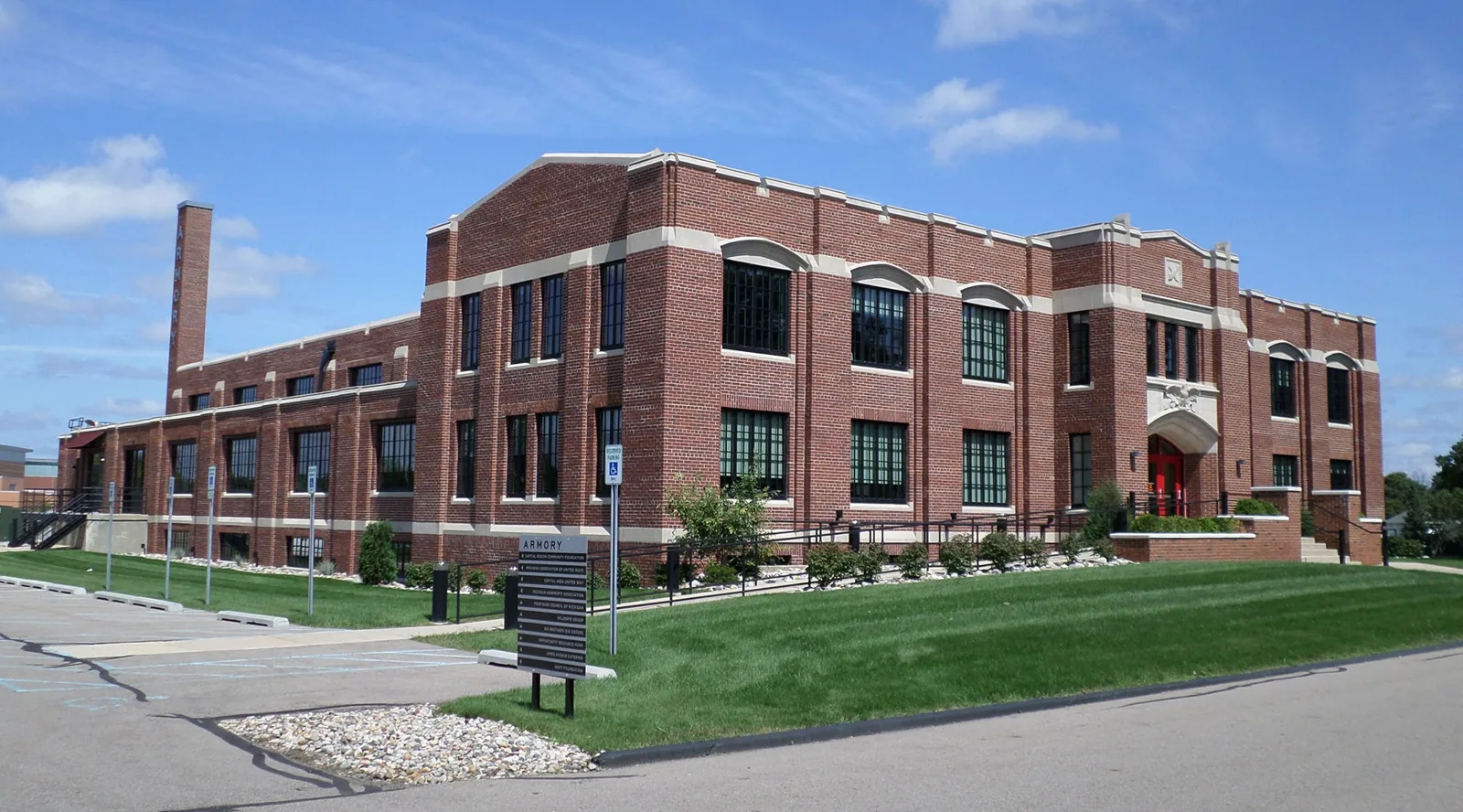
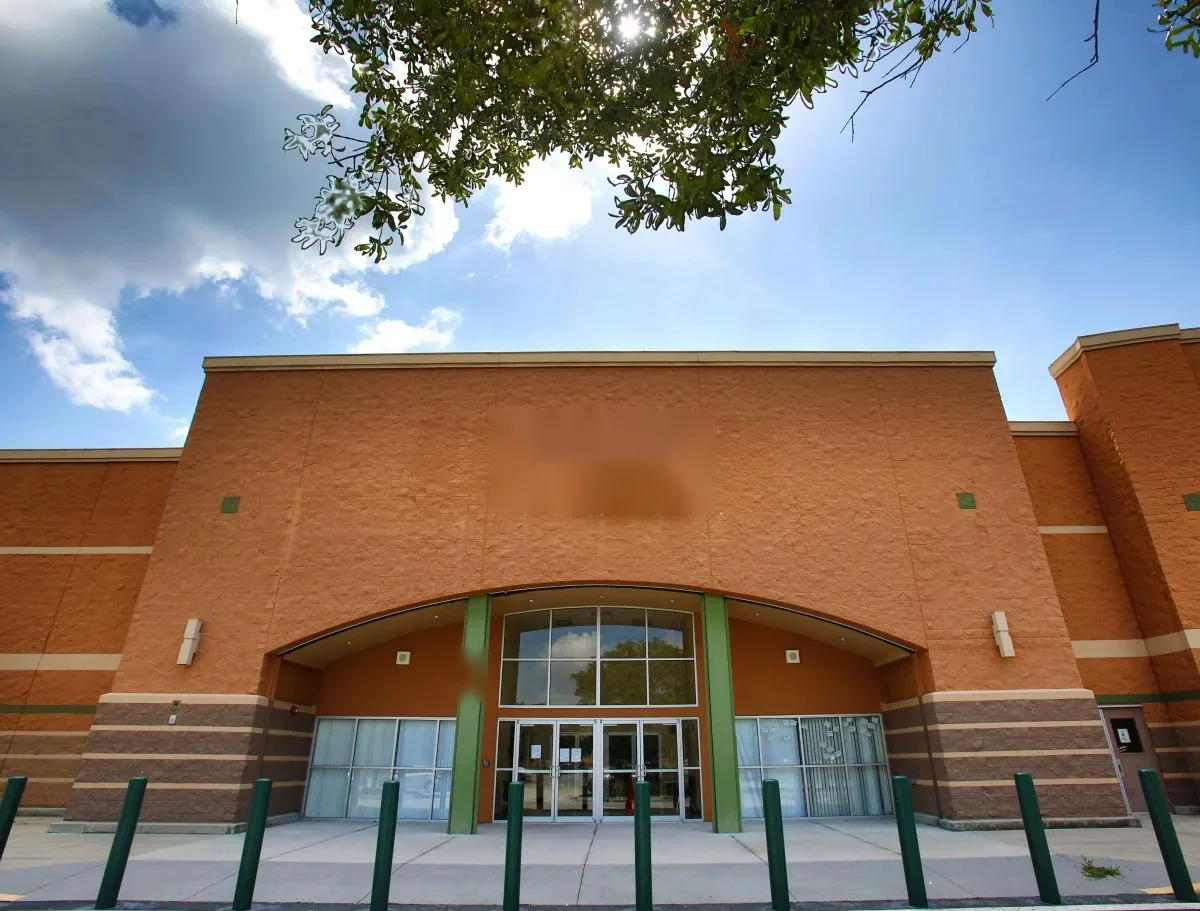
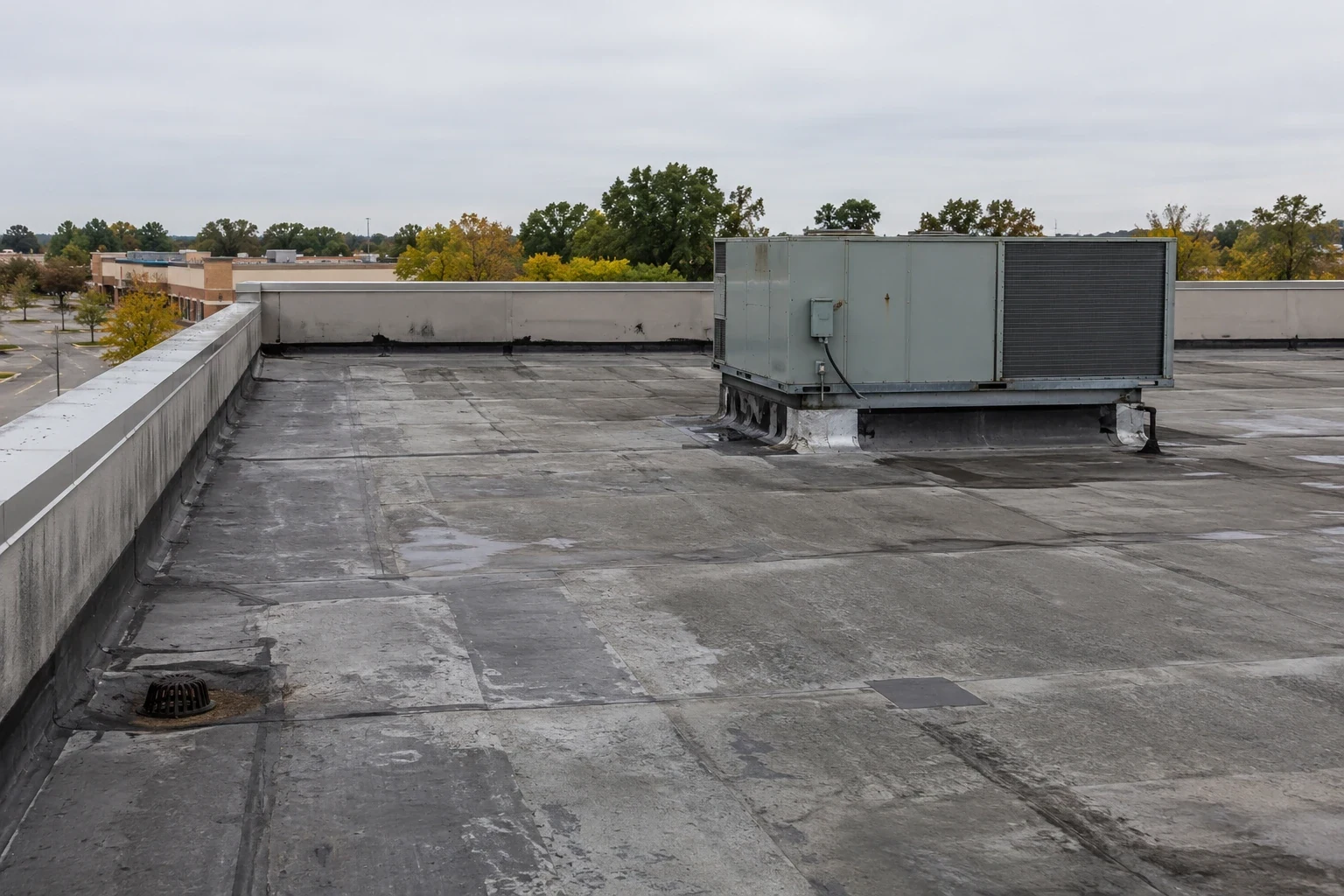
Assembly use: schedule the roof zone around gatherings
The first planning call identifies the rooms below the affected roof area, service times, funerals or community events, and the person who can approve access. We confirm whether a door, parking area, kitchen exhaust, or classroom route must stay available. If the project needs a lift or material staging, the property lead marks the approved space before delivery. These limits shape the work window; they do not change the field evidence needed to locate a leak.
Some worship buildings have steeples, towers, skylights, or tall wall transitions. We inspect those details only when present, with safe access and a planned fall-protection method. Flashing at a tower or roof-to-wall joint can fail differently from a low-slope seam. We photograph the connection, note whether the visible metal moves, and identify any area that could not be reached. A phased occupied-building plan can keep assembly space available while crews work through controlled zones.
Where a congregation shares a property with a school, food program, or community partner, the schedule should name which group controls each area. A resident-care roof plan has another set of access priorities; church work needs its own event calendar, entry protection, and communication owner. A hotel roof scope must account for overnight access; church work follows its service and event calendar.
Leak tracing: separate the roof entry from the ceiling mark
Water can travel along a deck flute, insulation joint, curb, or wall before it appears indoors. We inspect the roof plane above and around the report, checking low areas, drains, penetrations, seams, edge metal, and previous patches. Each finding gets a roof-map reference and dated image. If a path remains uncertain, the condition log states what the crew observed and what a test opening would establish. That keeps the repair boundary tied to evidence rather than the size of a stain.
At a drain, we review the bowl, strainer, connection, slope, and overflow path. At a penetration, we check boot or flashing condition, movement, and the membrane tie-in. At an edge, we look for loose attachment, open laps, and water entry behind metal. A drain and scupper inspection can separate a maintenance cleanout from a membrane repair. If a roof has several levels, we record which outlet serves each zone rather than treating the property as one flat surface.
When roof access is restricted by height or geometry, a drone inspection can document accessible surfaces and help plan a closer review. It does not verify concealed layers or replace a safe hands-on check where the repair detail requires one. The owner receives the access limits beside the images.
Regional exposure: inspect what the weather actually changed
Lynn's seasonal weather brings winter snow, recurring rain, freeze-thaw periods, and summer heat. Those regional conditions support a close look at drainage, overflow, insulation transitions, flashing, and edge attachment on Lynn roofs. They do not establish a leak or snow load at one building. We inspect the actual roof plane, note drainage restrictions, and record the materials or details that need follow-up.
In 2012, Sandy brought coastal flooding to Massachusetts and strong winds near Boston and Revere Beach. Across southern New England, severe thunderstorms can produce one-inch hail and wind strong enough to disturb roof details. After an event, we check the congregation’s property for displaced coping, punctures, lifted flashing, open seams, and impact marks. A storm record helps set timing, but only the roof tells us whether repair is needed. The storm-damage review keeps observed conditions distinct from regional weather history.
Downtown Lynn’s cultural district includes galleries, restaurants, retail, public art, and events. The Lynn Harbor Port Area protects marine-dependent industry. Those facts illustrate different activity patterns in the city; the church contact still sets its own entry, parking, and gathering schedule. If the property is near Downtown Lynn, confirm any local event or pedestrian constraint with the site lead before staging.
Repair options: show the congregation what changes the scope
A targeted repair may fit an isolated seam, flashing, puncture, or drain connection when the adjacent membrane and substrate remain sound. The scope lists preparation, compatible materials, tie-in, photos, and the roof zone included. If repeated leaks, soft substrate, wet insulation, or loose attachment extend beyond the detail, the foreman marks a hold point and explains which test or added area could change the decision.
A recover assessment checks moisture, layer count, attachment, drainage, edge height, and transitions around existing equipment. If the retained assembly cannot support the new system, a replacement plan may give the owner a clearer path to the deck, insulation, and flashing. A repair scope can still address immediate water entry while the congregation reviews longer-term work. Both proposals should show the access window, event restrictions, and end-of-shift dry-in point.
Cost and duration depend on roof material, affected area, height and access, staging, protection below, weather, and how many details need rebuilding. A test opening may reveal a different deck or insulation condition than assumed. We pause, photograph the finding, and get approval before extending the repair boundary.
Closeout: leave a dated handoff for the next event
The closeout file names roof zones inspected, the visible condition, repairs completed, materials used, photos, and any temporary protection left in place. It also records access limits and areas not reached. If the congregation reports another leak later, staff can compare the new location with the prior roof map and date instead of relying on a remembered patch. The facility contact receives the next check or approval needed to finish the work.
For a Massachusetts commercial alteration, the applicable building rules derive from the state-amended 2021 IBC. Energy design also follows state adoption of the 2021 IECC and ASHRAE 90.1-2019. The design and permitting team confirms which provisions apply to the proposed roof work. Roof changes that affect insulation, drainage, assembly, or structural support should be reviewed before material is ordered. A municipal-building scope has its own procurement and access controls; church projects rely on the congregation’s property decision process.
To arrange a roof walk, provide the building use, reported area, access contact, and the next dates when the space cannot be disrupted. A photo-supported condition report can keep separate repair and replacement options tied to the same roof-zone record.
Commercial Roofing Questions
How do you schedule roof work around church services?
We use the congregation’s event calendar, access contact, affected rooms, and delivery limits to plan a roof-zone sequence. Each shift has an opening limit and a dry-in point so the facility can see what remains before the next gathering.
What if a sanctuary ceiling stain is far from the roof leak?
Water can travel along the deck or insulation before becoming visible. We inspect nearby slopes and transitions, map confirmed defects separately from suspected paths, and define a test opening when the concealed assembly could change the repair limit.
Can you inspect a steeple or high roof transition?
Access and fall protection set the method. We review the building geometry, identify the connection to inspect, and state any surface that could not be reached. Aerial imagery may help plan the walk, while a hands-on review verifies the flashing detail where safe access is available.
What does a church roof repair record include?
Expect a roof-zone map, dated photos, the defect and repair boundary, materials installed, access limits, and any temporary protection or follow-up check. The record ties interior reports to roof findings only where that connection was established.
Request a church roof walk
Share the building use, affected roof zone, access contact, event calendar, and available work window. We will document the assembly, repair boundary, and any test needed before the congregation approves broader work.
Back to Property Types We Roof.