
Solar-Ready Commercial Roofing in Lynn, MA
A solar project should not begin with panels scheduled before the roof has a documented condition and attachment review. Saugus has warehouse, food-processing, and cold-storage uses, while Lynn Harbor preserves marine-dependent industrial activity. Those are different operating environments, but neither land use establishes a roof's capacity or remaining service life. We inspect the existing assembly and coordinate with the owner, solar designer, and structural engineer so the roof work and array layout can be compared before equipment arrives.
Solar-ready roofing means confirming the roof can support the proposed work or identifying the repairs and replacement that should happen first. We map seams, membrane condition, penetrations, drains, edges, equipment, and access paths, then list the items that need engineering or trade coordination. We do not infer load capacity from a roof's size or building use.
Prepare a Lynn commercial roof for a solar project with documented condition, attachment, drainage, access, and service-life questions before installation.
Establish a Baseline Before the Array Plan
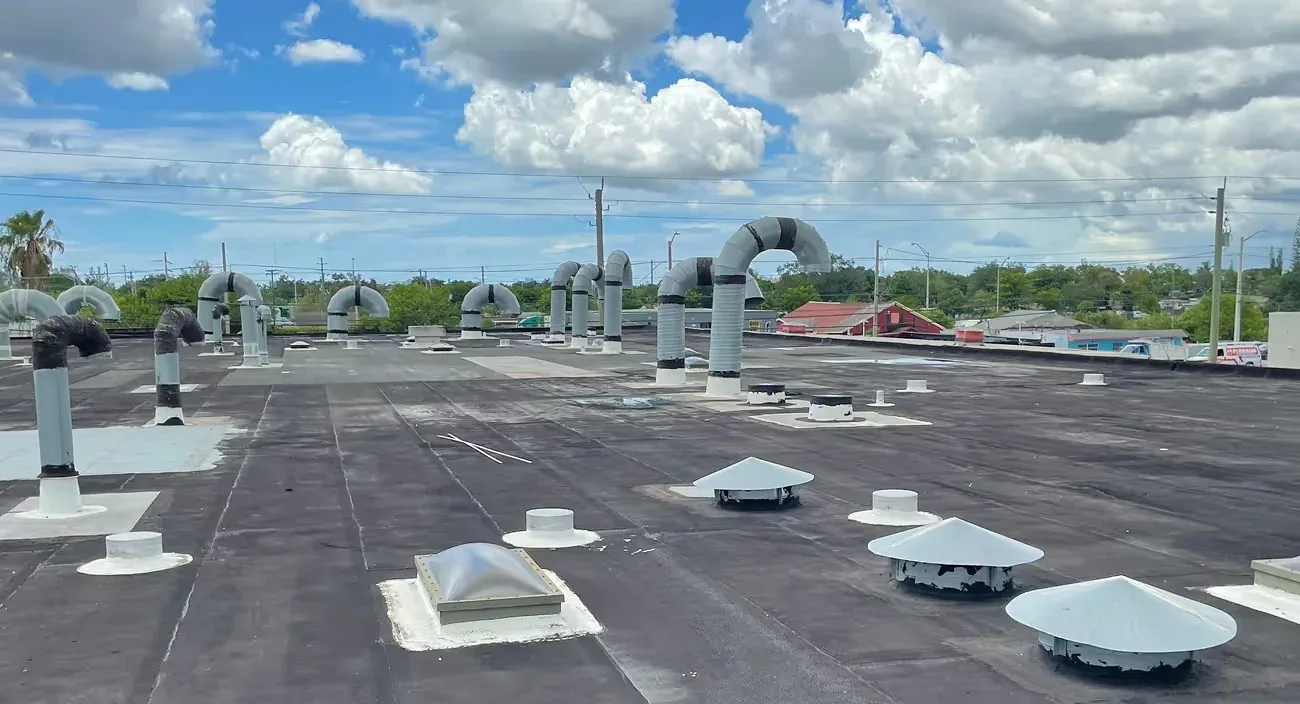
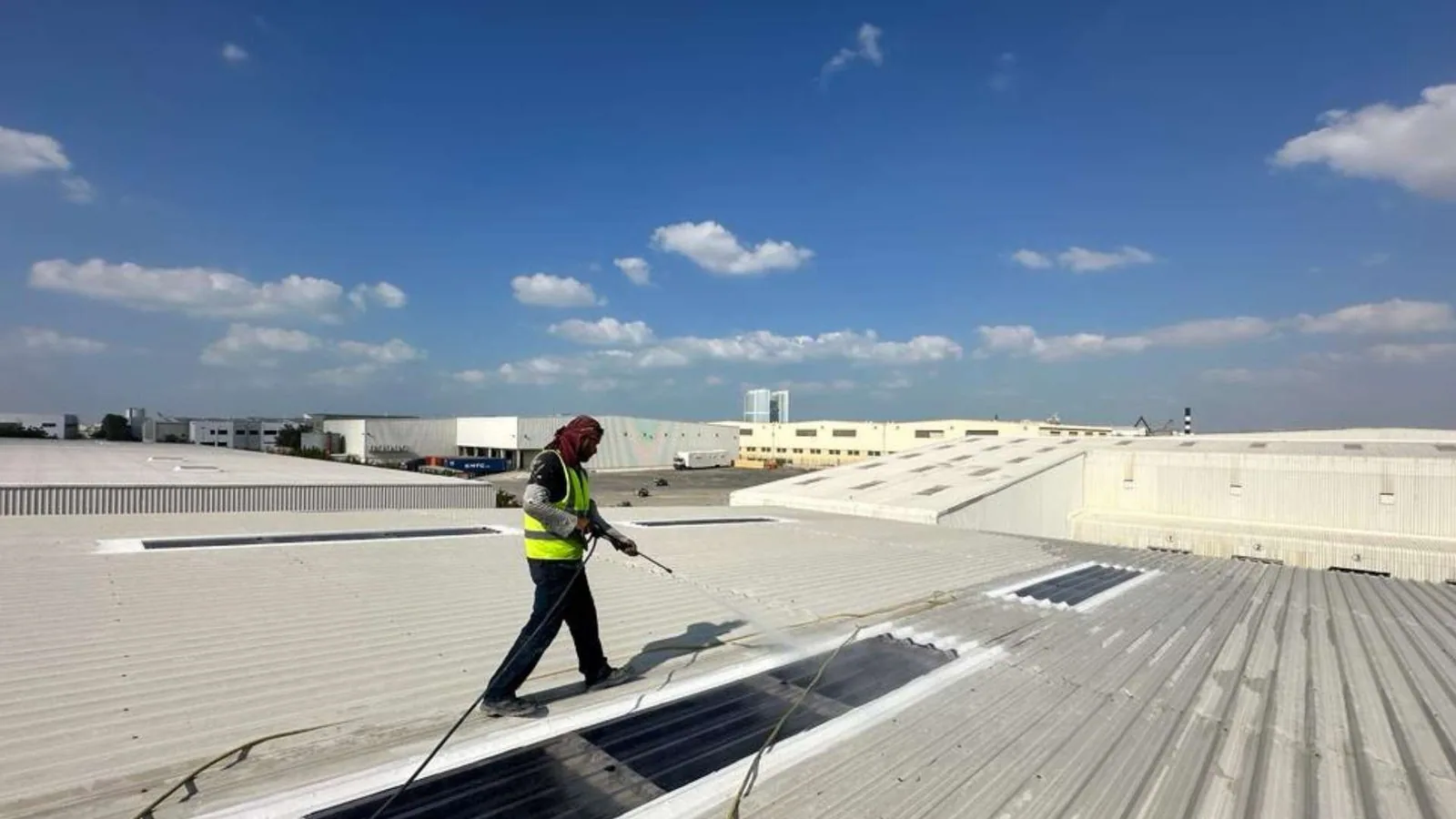
We review the roof plan, assembly records, repair history, leak calls, warranties, and expected project schedule. The site walk identifies the membrane or metal, insulation where known, attachment, edges, curbs, penetrations, and drainage. We photograph each roof zone and mark conditions that could become harder to access after modules and support rails are installed.
The building at Lynnway Park may have food-processing or cold-storage use, and a property near Lynn Harbor may need a different delivery window. We confirm the actual operating restrictions and equipment route with the site contact. A roof inspection can establish the condition baseline before the solar layout is fixed; a photo report preserves the areas that should remain available for later maintenance.
If the assembly record is incomplete, we identify the test opening or document needed to confirm layers. A solar mounting method and roof system have to be compatible, but compatibility is evaluated from the actual product and assembly rather than an assumed roof type.
Coordinate Loads, Attachment, and Wind Design
Solar equipment adds dead load and creates attachment or ballast conditions that must be evaluated for the building. We provide roof assembly information and observe field conditions; a qualified structural engineer evaluates the structure and project loads. We do not certify capacity from a surface inspection. The array designer and roofing scope should identify penetrations, attachment points, ballast zones, and any effect on drainage before installation.
Wind exposure matters because an array changes the roof profile and introduces components that must remain secure. Coastal storm history can guide questions about edge zones and mounting details, but a regional event is not proof of performance at the property. We check the roof's existing perimeter, membrane, and attachment record, then coordinate the proposed system's requirements with the design team.
At the Lynn Harbor Port Area, site access and material handling may require coordination with the property contact. The project schedule should also show when roofing crews, electricians, and solar installers will work on the same zone. A support and penetration review can help define those interfaces before the mounting system is placed.
Preserve Drainage and Maintenance Access
Panel placement must leave water routes, drains, scuppers, and overflow paths reviewable. We compare array rows with the roof's existing low areas, crickets, outlets, and equipment service paths. If a drain needs repair or a roof section ponds, that work is identified before supports are installed. Later access can become more difficult once equipment fills the field, so the closeout should map covered and open areas.
The North Shore cycle includes summer heat, winter snow, and frequent rain. That regional pattern is a reason to preserve inspection access and clear discharge paths; each roof's slope, outlet layout, and current condition determine the actual drainage needs. We document where runoff travels and whether the array layout could obstruct inspection or maintenance routes.
A drainage scope can correct a damaged outlet or document the flow path. For Lynnway Park operations or a Harbor-area property, we also ask where lifts and material deliveries can stage without blocking the building's working routes.
Compare Solar Timing with Roof Renewal
A roof with recurring leaks, wet insulation, weak attachment, or nearing repair limits may need work before the array is installed. Otherwise, future access to the membrane can require removing panels or supports. We compare the roof's documented condition and the project's expected timing without assigning an unsupported service-life number.
When a roof remains sound, localized repairs and protection for mounting paths may be enough. If the assembly needs broad renewal, a replacement scope can include penetrations, edge transitions, and the anticipated solar interface. Where an existing roof may support another layer, a recover evaluation checks moisture, attachment, drainage, and compatibility before recommending a path.
We confirm the state building and energy-code path for the specific project with the authority having jurisdiction. The roofing documents identify the assembly and penetrations under review, while the solar designer addresses the array-specific requirements.
Set a Trade Sequence That Protects the Roof
The roofing contractor and solar installer should agree who is responsible for each penetration, support, flashing, temporary protection, and final inspection. We define the work boundary and the daily dry-in point, then document any change made after the roof scope is complete. That record helps identify whether a later leak relates to original roofing, an array attachment, or another trade's work.
At an occupied building, a phased access plan can protect operations and keep roof zones available in sequence. Lynn Harbor's marine uses and Lynnway Park's industrial operations may call for different staging, but both require a named site contact and a schedule that coordinates rooftop work with activity below.
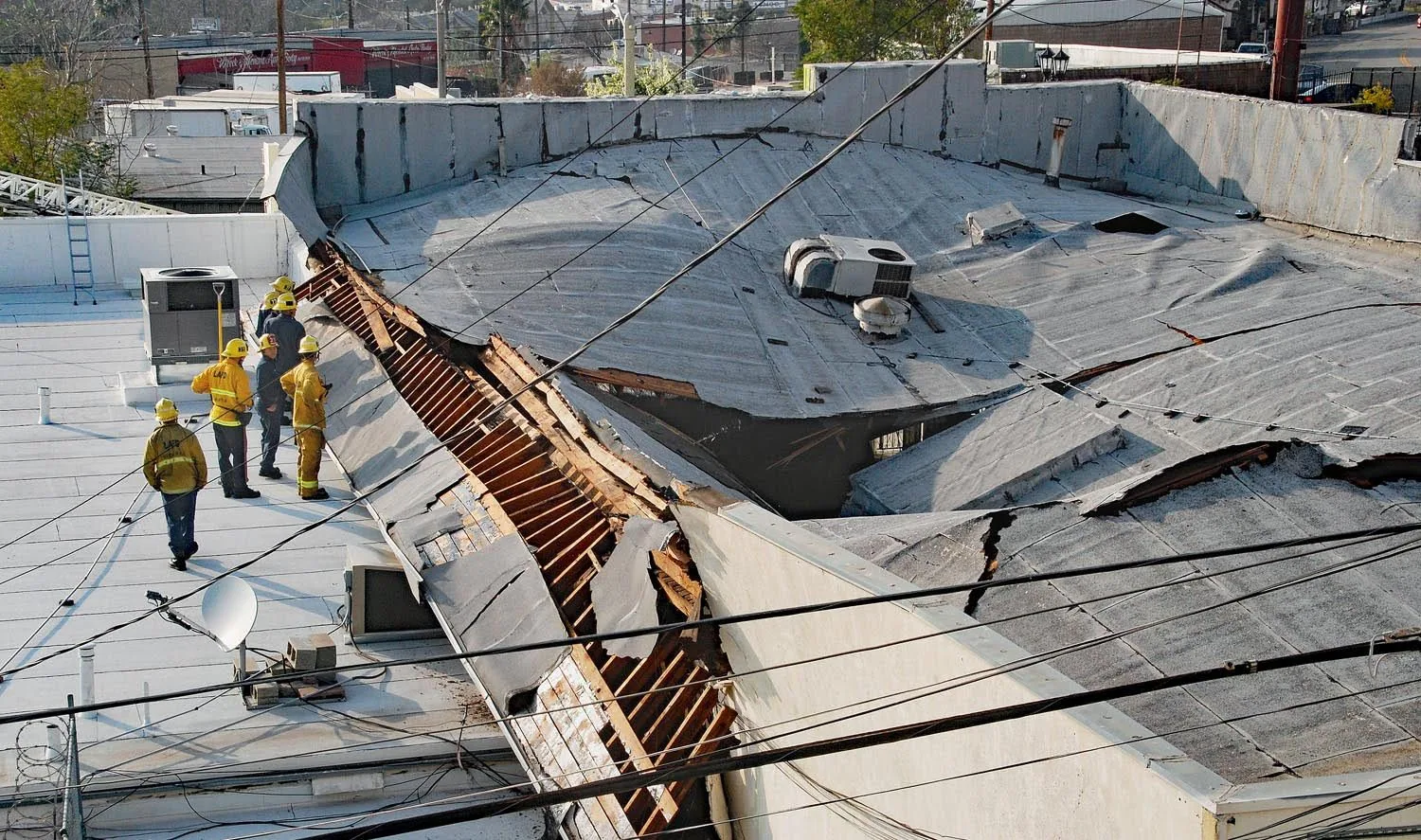
For a reported storm event, we inspect the roof before installation and document any existing movement or damage. A wind-condition review can separate pre-existing issues from later changes and keep the project file tied to dated photographs.
Leave a Roof Map for Future Array Service
The solar-ready closeout should include the roofing system, repaired zones, attachment and penetration locations, photo record, drainage routes, accessible walk paths, and unresolved items. We identify who is responsible for future repairs around the array and where the roof remains inspectable. The owner can use that record during maintenance and when equipment changes are planned.
Send roof plans, system records, leak history, solar layout, engineering questions, site contact, and schedule window. We will inspect the accessible roof and return findings that distinguish confirmed conditions from structural or array-design decisions still requiring review.
The roof map remains useful for later repairs, service access, and planned equipment changes.
Commercial Roofing Questions
Can a roof inspection confirm that the building can support solar panels?
No. We document the roof assembly and visible condition; a qualified structural engineer evaluates building capacity for the proposed loads and attachment system.
Should roofing repairs happen before solar installation?
If the roof has active leaks, wet material, weak attachment, or details that could require near-term access, we compare repair or renewal before array work begins. The recommendation follows the inspection record.
How do you protect drains beneath solar equipment?
We review array layout against roof outlets, overflow routes, low areas, and service paths. Any blocked or damaged drainage detail is identified before support installation.
Who flashes the solar attachments?
The project team should assign that responsibility before work starts. We coordinate the roofing and mounting details, document the tie-in, and identify who inspects each penetration at closeout.
Does Lynn’s coastal exposure establish a wind-design requirement?
Regional storm history is context, not a project design value. The solar designer and engineer establish applicable loads; we provide roof information and coordinate the roofing details with that design.
Request a Solar-Ready Roof Review
Send roof plans, assembly records, leak history, proposed array layout, engineering questions, access contact, and schedule window. We will map the roof condition and trade interfaces.
Back to Commercial Roofing Services.