
Shopping Center Roofing in Lynn, MA
Storefronts, shared corridors, restaurant spaces, and larger retail suites can sit beneath one shopping-center roof while reporting leaks through separate tenants. In Lynn, MA, a roof review has to connect each report with its own roof zone, drain path, curb, or perimeter detail before the owner sets the repair boundary. We photograph the visible assembly, prior patches, and interior conditions, then note which questions require a test opening. The result gives property management a way to compare urgent repairs with a phased capital scope without treating the full center as one uniform surface.
Downtown Lynn’s cultural district includes retail, restaurants, galleries, public art, and event activity, while Peabody’s Northshore Mall serves regional shoppers and has access to Routes 128/I-95 and US Route 1. These local contexts illustrate different access and traffic conditions, not the layout of an individual center. A commercial roof inspection can map reported zones before comparing big-box retail roofing or grocery roof service for a particular tenant mix.
Plan shopping-center roof repair in Lynn around tenant access, leak zones, drainage, deliveries, and a documented phased work sequence.
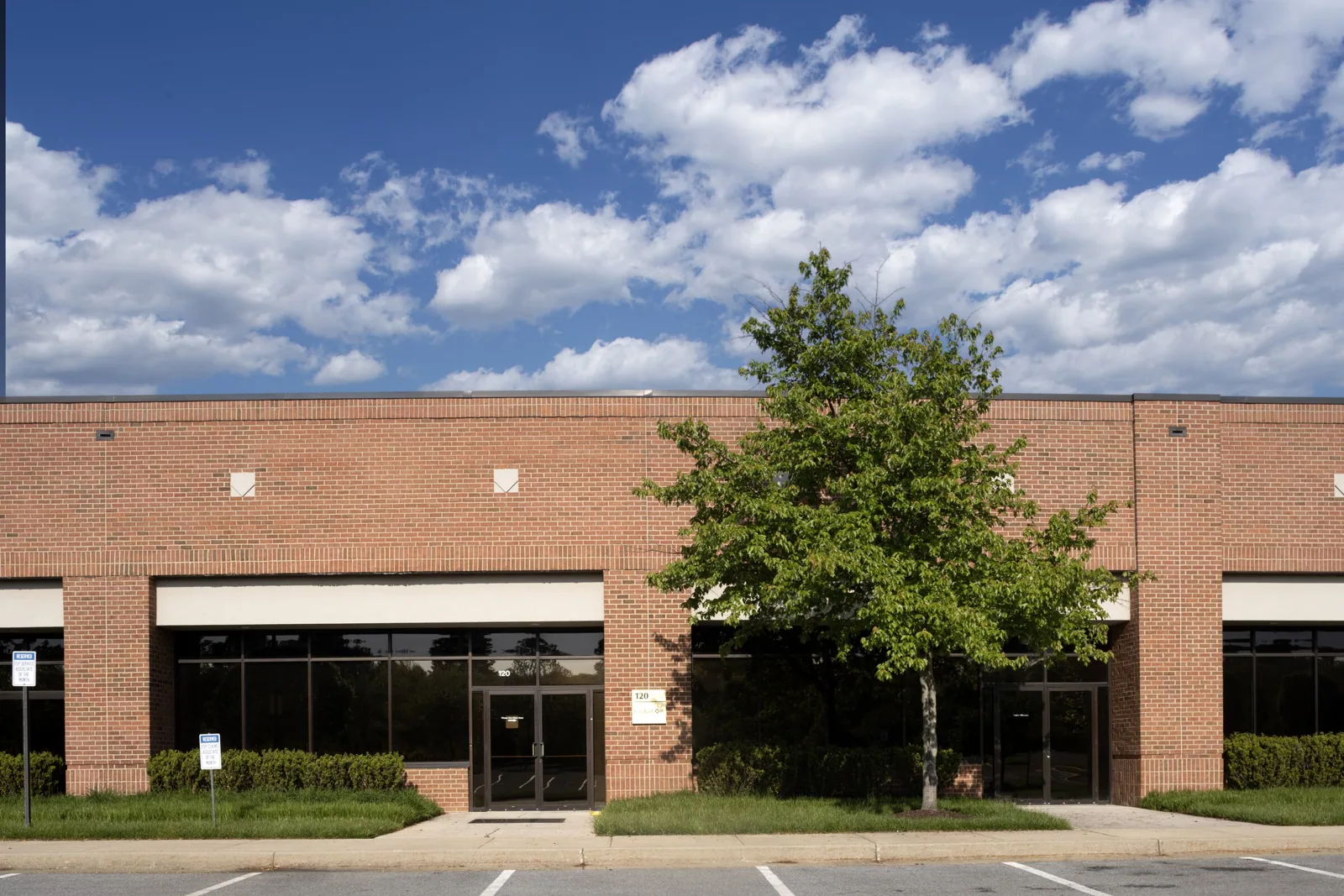
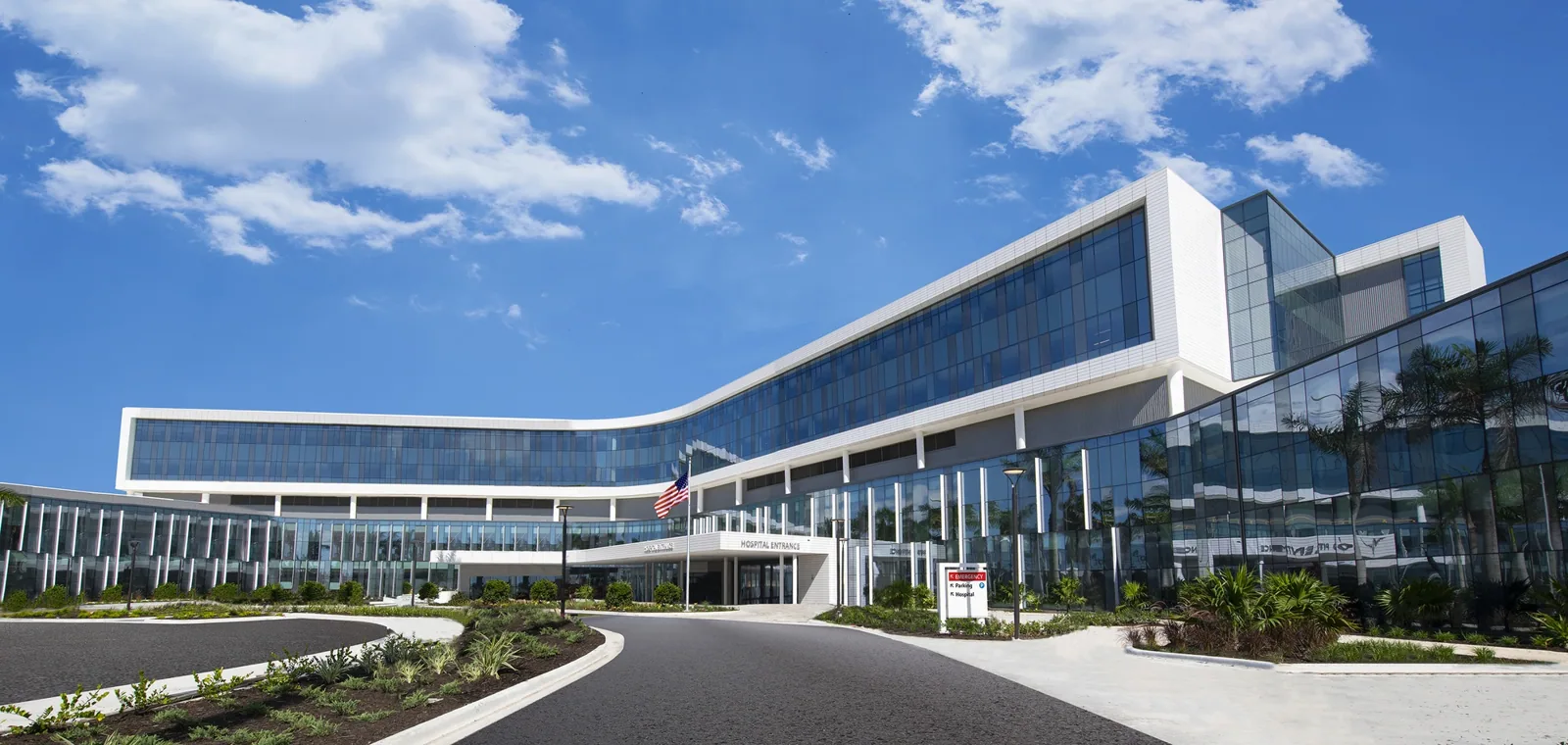
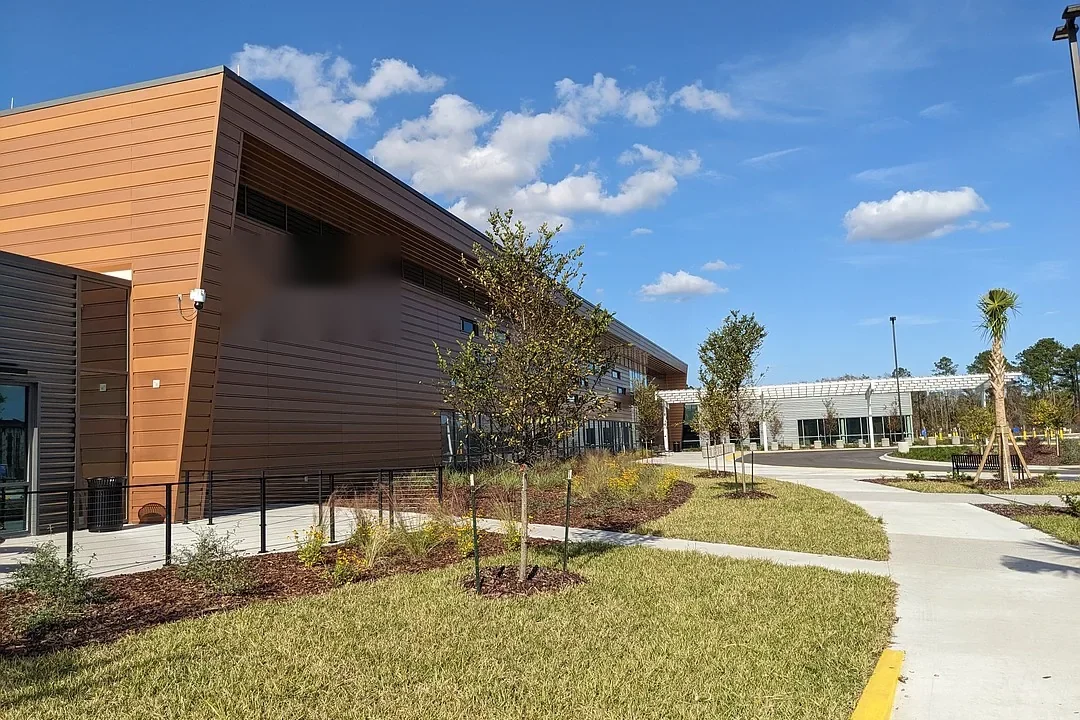
Tenant reports: reconcile several leak locations
Property managers often receive work orders with a suite number, ceiling stain, or date but no roof context. We record each report separately, including the room use, time noticed, recent interior work, and any change in the leak during rain. On the roof, the inspection traces drains, seams, penetrations, expansion joints, and earlier repairs near that zone. A stain under a long roof bay may not line up with the entry point, so the report should state what is confirmed and where concealed layers remain unexamined.
When water threatens an occupied shop, emergency response is available at any hour, including holidays. The initial work should stabilize the affected area and capture photos before temporary materials cover the detail. For multiple tenants, a contact list and entry protocol can reduce delays, while the roof plan keeps each temporary repair distinct. If several leak reports cluster near a drain or parapet, compare those observations before describing them as one failure. A dated condition log helps the owner make that distinction.
Center operations: keep customers and deliveries moving
Retail work has to account for customer entrances, loading hours, trash routes, food-service exhaust, signage, and the portions of a parking area used for lifts or staging. A roof zone plan can identify the work area and the path crews use to reach it, then align that route with the property manager’s tenant schedule. If a store must stay open, the owner can specify entrances that remain clear, locations needing interior protection, and when noisy work is acceptable. Those operational controls help define timing and cost without changing what the roof inspection finds.
The Downtown Lynn cultural district has events and active street-level uses, while Peabody serves a broad regional retail area. Access conditions vary by property, so we confirm staging, delivery windows, and safe pedestrian paths on site. A center with restaurants may also need coordination around exhaust and service equipment. Record which systems must remain operating and where maintenance staff need uninterrupted roof access.
Drainage and envelope: review shared roof edges
A shopping-center roof may have several elevations, internal drains, scuppers, gutters, parapets, and additions constructed at different times. We mark each outlet and trace the water path, noting ponding, debris, displaced flashings, and changes in membrane height. Where an addition meets an older roof, the transition deserves its own photo and repair boundary. A leak beside one storefront does not establish that every connected roof section shares the same condition. Test openings or moisture mapping may be useful when concealed insulation changes the option being priced.
Lynn’s regional climate includes winter freezing and snowfall, warm summer days, and precipitation throughout the year. For a Lynn retail property, that regional context makes drainage and seasonal inspection relevant, but it does not prove a blockage or wet assembly. We inspect the actual roof, then show the owner what evidence supports a drain correction, flashing repair, or replacement. A drainage service can be scoped separately when outlet conditions need work, and repair can remain limited to documented defects.
Project options: phase work by tenant and roof zone
A repair may address a localized seam, puncture, or flashing detail if adjacent material remains serviceable. A recover can reduce removal only when the assembly is stable, dry enough, compatible, and permitted by project requirements. Replacement creates an opportunity to examine concealed layers and reset insulation, edge, or drainage details, but it involves more demolition and temporary weather exposure. For a multi-tenant center, the proposal can divide work into zones and identify the tenant coordination required in each phase. The same map should support every option.
Before pricing, document deck and layer assumptions, rooftop equipment, tenant access, staging, debris routes, daily dry-in, and owner decision points. A construction schedule can affect cost where work must be sequenced after business hours or in short intervals. Verify the state commercial construction and energy requirements against the shopping-center permit documents before approval. If concealed moisture is discovered after opening, the scope should state how the manager will receive photos and approve any change. That turns an allowance into a clear decision process rather than a surprise at closeout.
Closeout: give management a tenant-ready record
Closeout should include a roof-zone plan, dated photos of completed work, drain and flashing notes, materials installed, repair limits, and any area deferred for a later phase. Identify the tenant or common area below a location when that helps management coordinate future access. If the contractor used a temporary repair during an emergency call, keep it distinct from the permanent scope and state whether follow-up is required. Facilities teams can add this record to work orders and compare a later leak report against the exact prior repair.
A seasonal walk can revisit drains, rooftop equipment paths, patches, and transitions without requiring the owner to assume a uniform condition across every suite. The inspection record should note what was accessible and what remained concealed. For an occupied center, a manager can share the schedule and affected entrances with tenants while keeping technical findings in the building file. The closeout materials describe the work completed and the remaining conditions; they do not imply that a roof is exempt from future maintenance.
Commercial Roofing Questions
How do you trace separate tenant leaks to the roof?
We map each interior report by suite, room, timing, and use, then compare it with nearby seams, drains, curbs, and previous repairs. When concealed layers could alter the scope, we recommend a specific test instead of assuming every report has one cause.
Can retail tenants remain open during roof work?
That depends on the work zone, access route, noise, weather protection, and the tenant’s operating needs. We set the sequence with management, identify entrances and interior areas needing protection, and state the daily dry-in boundary.
What should a shopping center manager provide before inspection?
Send leak work orders, suite locations, access contacts, roof plans if available, delivery restrictions, and dates when staging or noisy work is limited. Those details help us plan the walk without substituting for on-roof findings.
Do several leaks mean the whole retail roof needs replacement?
Not by themselves. Map the reports and inspect each associated roof zone, drainage path, and transition. The condition log can show whether the evidence supports separate repairs, further testing, or a larger assembly project.
How does Lynn weather affect retail roof planning?
Cold, wet periods and winter snowfall can narrow safe access and test drainage details. The roof’s measured condition and the visit-day forecast determine the scope for a particular center.
Schedule a shopping-center roof review
Share the center’s tenant layout, leak reports, roof access contact, delivery limits, and preferred work windows. We will map affected zones and outline repair or phased-project options from observed conditions.
Back to Property Types We Roof.