
Commercial Roofing in Wakefield Route 128/93 Business Area, Wakefield, MA
A roof review in Wakefield's Route 128/93 Business Area should support the actual property decision, whether it concerns a leak, repair budget, or a potential business location. Wakefield lies at the confluence of Routes 95 and 93. The town also aims to strengthen its commercial and industrial tax base, assists with business site-location needs, and identifies business districts and commercial centers as planning priorities. Those planning priorities and highway connections do not establish the use, access, or construction of a particular building. We confirm the owner contact, site rules, and roof areas before we prepare a work recommendation. A commercial roof inspection can document accessible conditions; a due-diligence survey can answer a defined property question.
Plan commercial roof assessment in Wakefield's Route 128/93 business area with a verified property scope, owner-confirmed access, and dated records.
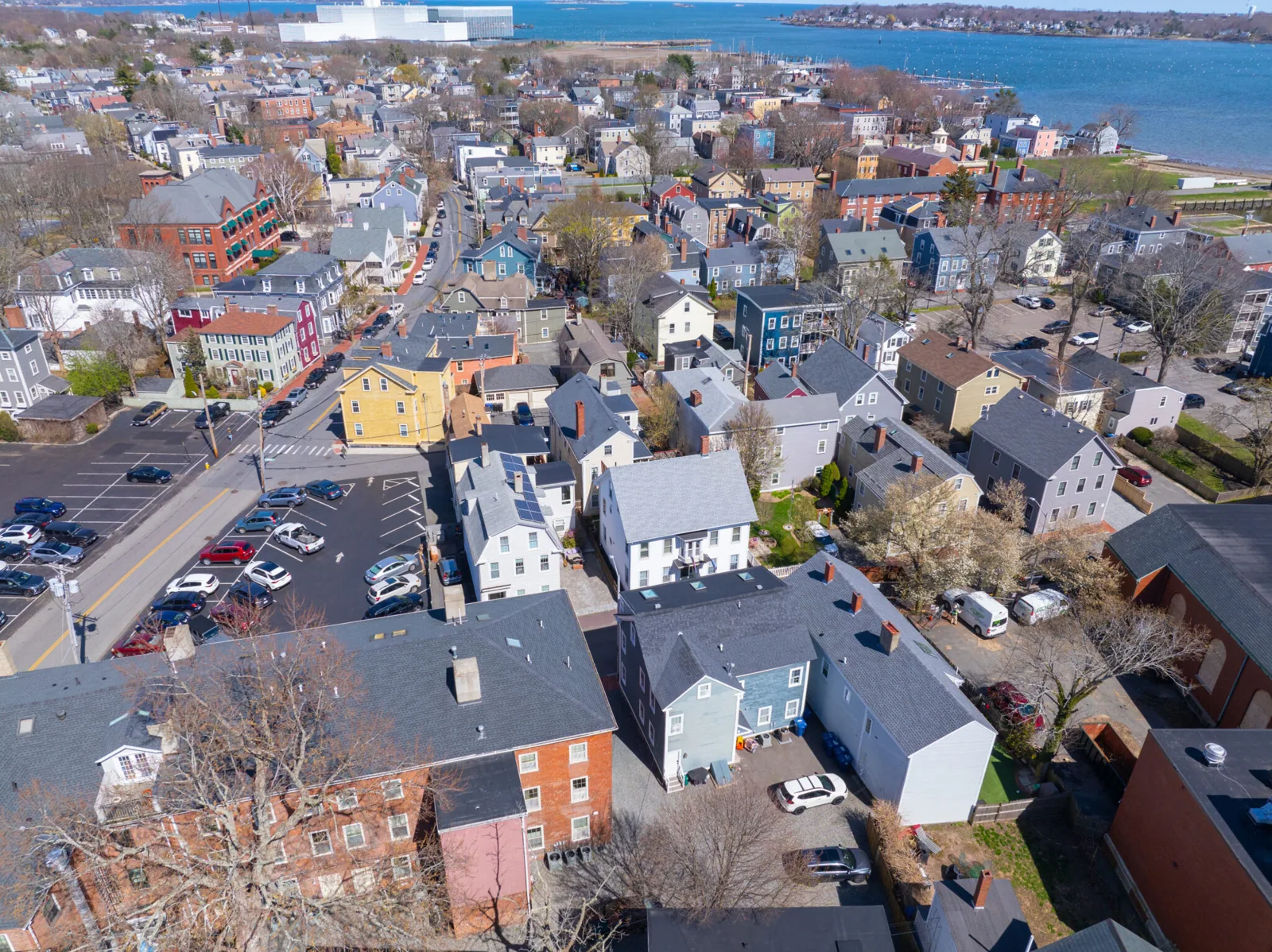
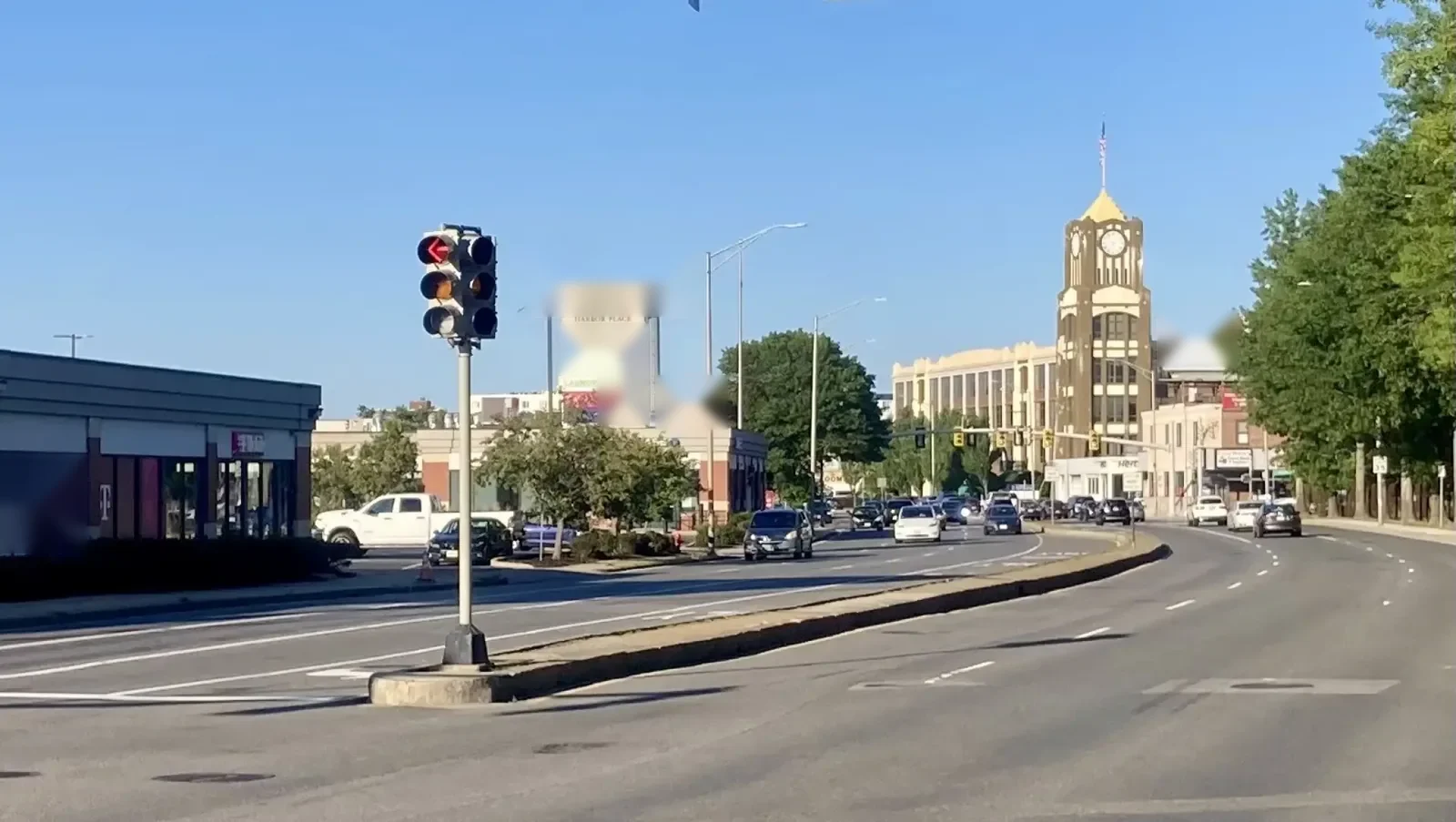
Business planning: keep roof evidence tied to the site decision
A company evaluating a location may need a roof condition record before leasing, purchasing, or budgeting improvements. We can review available plans, service logs, repair invoices, and warranty papers, then inspect accessible roof zones and list what remains unconfirmed. A town's business site-location assistance does not verify a roof's age, system, or deferred maintenance. Those items need documents or a property visit. If a lease or capital decision depends on concealed layers, the report can recommend a test opening and state what question it should resolve.
Before the site walk, confirm the building contact, authorized entrance, roof access, escort, staging location, and work-hour limits. Highway connections do not tell a crew which gate or loading area is approved. The owner or manager should also identify any active tenants, sensitive interior spaces, delivery periods, or other trades that affect access. If one roof section cannot be reached, we record the limitation instead of implying that the entire property was reviewed.
For a business-location review, the owner may want to know whether planned equipment, rooftop penetrations, or service access are compatible with the existing assembly. We record visible curbs and penetrations, review available system documents, and identify any question that calls for a separate structural or design professional. We do not infer that a roof can support a future installation from its surface condition alone.
Inspection boundary: identify what is visible and what needs testing
We check drains and scuppers, seams, perimeter details, penetrations, curbs, wall flashings, visible patches, and the area tied to a reported leak. Each photo should name its roof zone and date. We keep interior reports separate from direct roof observations until the water path is confirmed. A stain or odor by itself does not show whether the roof is the cause. Where moisture or older layers could change quantities, we outline a test opening, records request, or suitable survey before the scope is finalized.
Infrared moisture review may help identify areas for confirmatory investigation under the right conditions, but it is not a standalone diagnosis. A localized defect can proceed to a defined repair if surrounding materials remain stable. A repair scope describes materials, preparation, access, temporary dry-in, interior protection, and exclusions. For larger deterioration or an unverified assembly, the owner may need a broader comparison before choosing repair, recover, or replacement.
Lynn service market: account for changing seasons
Regional climate references are only a starting point for a commercial roof decision. In the Route 128/93 business area, we check drainage, perimeter attachment, and visible transitions directly, then compare the visit date and reported issue with prior photos. A regional average cannot show where water traveled or whether a particular site needs repair. The owner should tell us how weather, access, and business operations affect a visit. We rely on the building's observed details to recommend work.
Following a reported storm, the owner can identify the date and roof zone for review. A severe-weather inspection starts with the manager’s reported date and roof zone; regional squalls can bring gust damage and hail an inch or larger. That notice suggests details worth checking, such as perimeter attachments and exposed penetrations, but does not establish damage at a particular site. We compare current photographs with earlier records when available and distinguish a new condition from existing wear. wind damage assessment can document what the site inspection supports.
Scope options: compare immediate work with a longer plan
A confirmed local defect may be repaired without opening other zones, while recurring water entry or suspected wet insulation may require a test or larger evaluation. If the building is being considered for a new business use, the owner should identify any equipment, occupancy, or renovation plans that could alter the roofing scope. We do not infer those needs from a site-location inquiry. The proposal should state known conditions, materials, repair boundaries, staging, temporary protection, excluded areas, and any allowances that depend on further testing.
Cost and schedule depend on roof height, access, crew setup, materials, quantity, interior protection, work hours, and the result of any approved opening. If roof work must precede a new lease or other project, the scope can distinguish temporary weather protection from permanent renewal. Replacement planning requires a separate phasing and dry-in review. A written comparison lets the owner see which decisions can proceed and which require property-specific evidence.
Handoff: record completed work and remaining questions
At closeout, preserve dated photographs, repaired zones, materials, preparation, test results, exclusions, and follow-up recommendations. If any area was inaccessible or not opened, identify that limitation. For a potential property transaction, the next reviewer should be able to distinguish completed work from an allowance or unresolved concern. A condition report can provide the dated findings, while capital planning can carry confirmed work into a future budget.
Wakefield's downtown business area and its Route 128/93 business area are separate route targets. An owner who also manages Wakefield Downtown or Lynnfield should retain different roof records and site instructions for each property. Share the address with your service provider privately, along with the site contact, known repair history, reported roof area, and decision deadline. We will inspect the property-specific scope and document the next step.
Any temporary repair should be labeled by date and expected review point. That prevents a later leasing or capital discussion from treating weather protection as a finished permanent scope for the next property decision maker. Owners should assign a person to revisit that entry later.
Commercial Roofing Questions
Do Routes 128 and 93 define a specific Wakefield business park?
Wakefield’s planning recognizes commercial centers and highway connections, but does not identify a single business park boundary. We confirm the specific property and owner contact before arranging an inspection.
Can a roof survey help with business site selection?
It can document accessible conditions, available records, and unresolved roof questions that matter to a location decision. If concealed conditions or final quantities are important, the survey can identify testing or a more detailed scope.
What if the owner has no roof plans or service history?
We inspect what can be accessed, label system or age details that remain unknown, and photograph roof zones. A test opening or records request can resolve selected questions before a final capital decision.
Can we complete a repair before a new tenant moves in?
We can review the proposed access and timing with the owner, then define repair limits, staging, dry-in, and any work that must be completed before occupancy. The schedule depends on the confirmed condition and site requirements.
What information should be included in the closeout file?
Keep dated photos, materials, work boundaries, test results, exclusions, and remaining questions with the property's roof history. A clear file supports the next owner, tenant, or facilities manager.
Request a Wakefield business-area roof review
Share the property contact, site decision or reported issue, available roof records, and approved access window. We can document the roof and identify unresolved items.
Back to Service Areas.