
Commercial Roofing in Salem Industrial Port, Salem, MA
A roof scope in Salem Industrial Port has to protect the building envelope while coordinating with the property owner's actual work schedule. Salem Industrial Port is a marine-dependent industrial district served by a deep-water channel, with port infrastructure and a working waterfront. Permitted industrial uses include workshops, offices, sales and service, assembly, food manufacturing, wholesale, and storage. These facts describe planning and permitted use, not the occupancy or roof system at a particular facility. We confirm the property contact, current use, access, and roof zones before recommending repair. A roof inspection can document visible conditions; a condition report states what was reached and what needs follow-up.
Coordinate roof inspection and repair in Salem's industrial port with owner-confirmed staging, weather protection, and building-specific work boundaries.
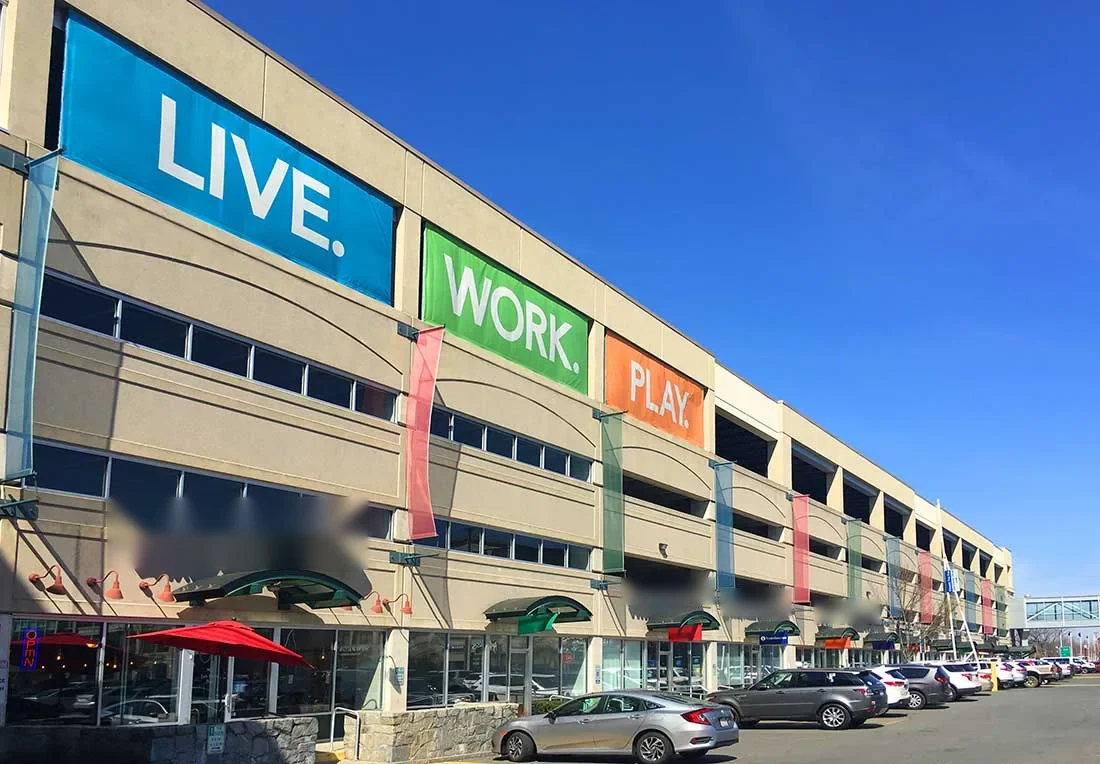
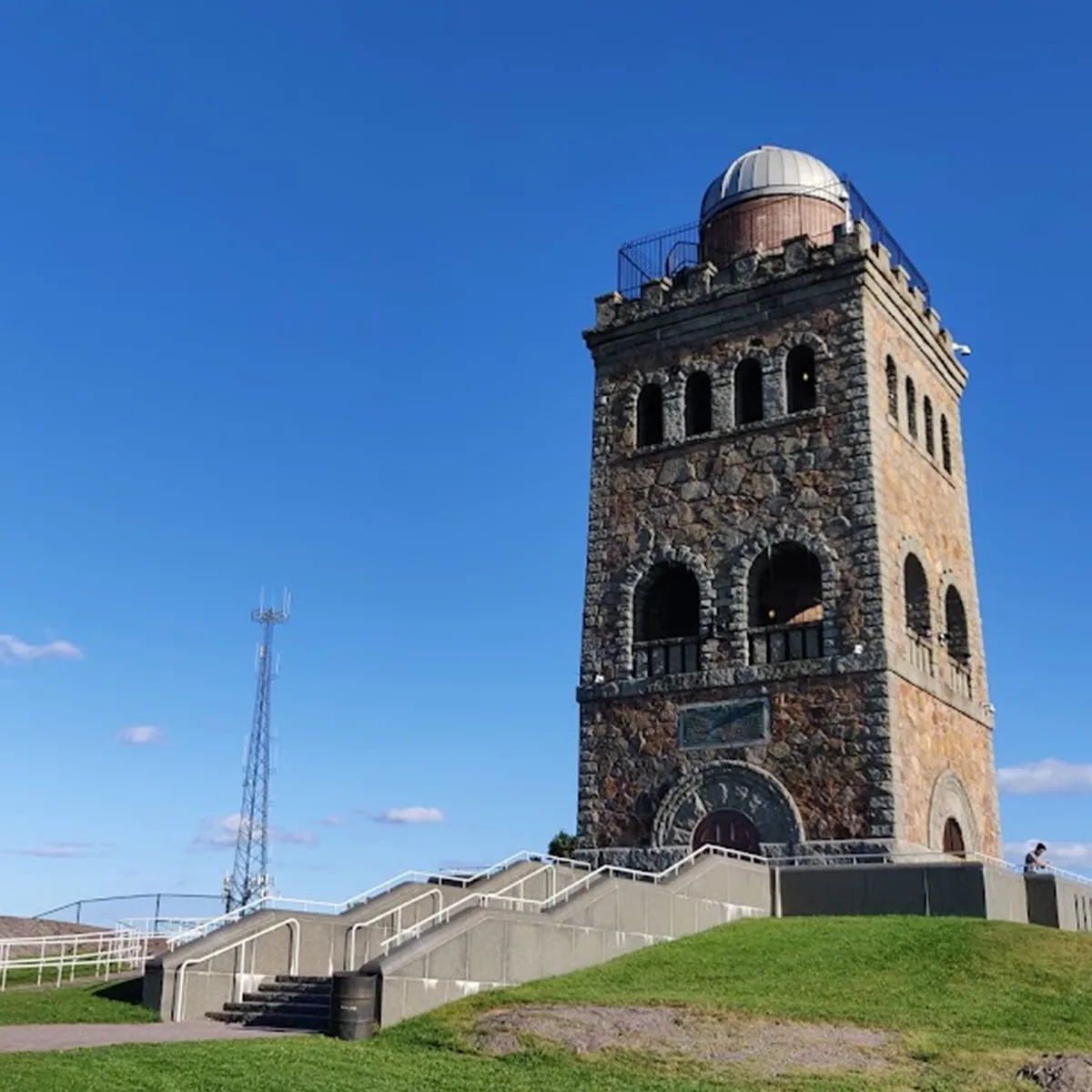
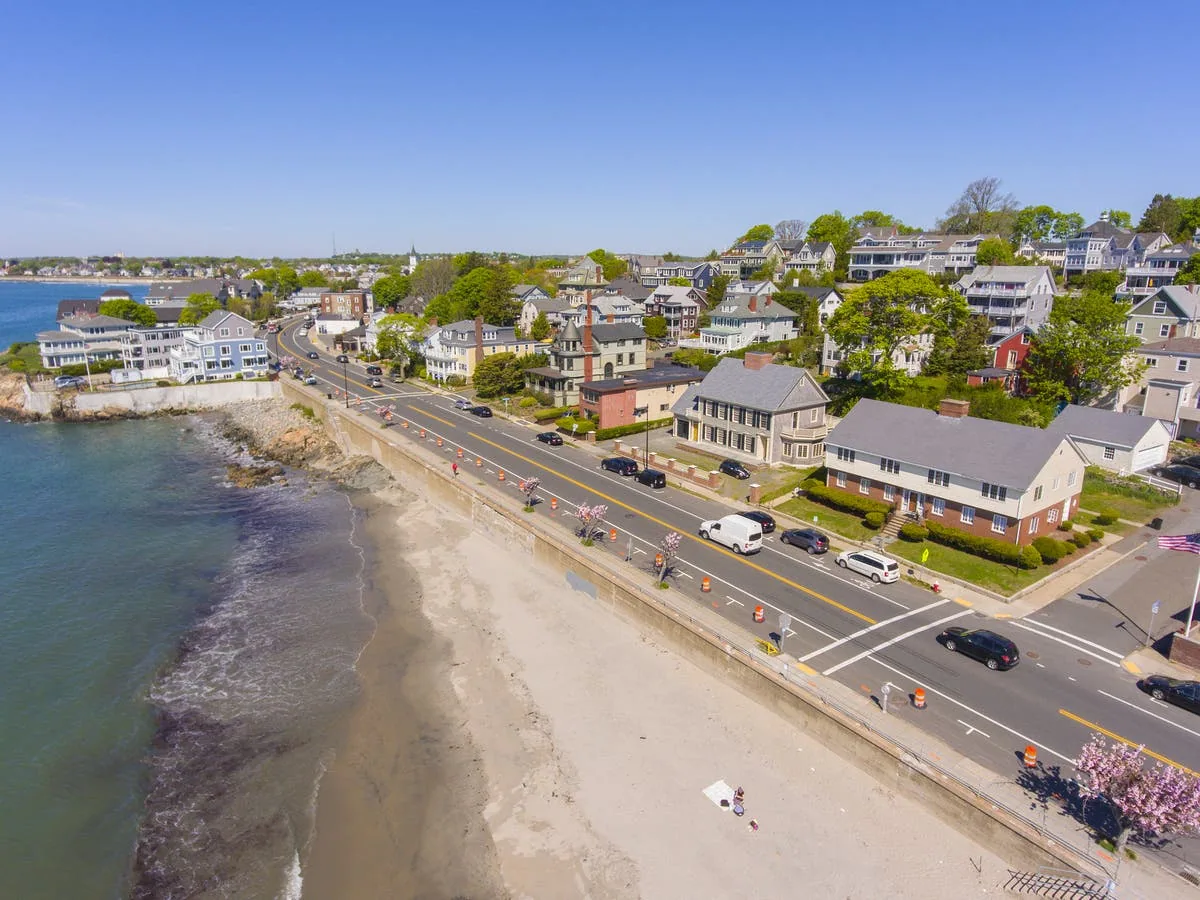
Work coordination: agree on access, staging, and the owner contact
Before the visit, we ask the owner or authorized manager to confirm arrival procedure, escort, roof access, delivery windows, lift placement, material staging, and any work area that must remain clear. A designated port area and deep-water channel do not tell a roofing crew where to enter a specific site or whether it can stage near a waterfront operation. Those details require current approval from the property contact. If another contractor or marine-dependent operation affects access, the owner should identify its schedule and any safety requirements for a roof visit.
The first scope conversation also covers interior sensitivity. The site contact can identify rooms, equipment, or processes that need protection from dust or water entry, and whether roof access must pause around deliveries. We list those restrictions separately from measured roof quantities so a changed work window does not blur the repair boundary. We plan daily dry-in, debris handling, cleanup, and the condition required before leaving each work zone. When the roof cannot be accessed safely or a section remains off limits, we identify that boundary and the arrangement needed to complete the inspection later.
Where material deliveries share a controlled access area with other site functions, identify a designated contact for the scheduled arrival and any changes to the window. The roof proposal can record that coordination separately from the repair quantities. If the delivery plan changes after approval, the owner should confirm whether staging, lift time, or temporary protection needs to be revised before the crew mobilizes.
Roof walk: trace defects without extending beyond the evidence
We inspect drains, scuppers, membrane seams, edges, curb flashings, penetrations, roof-to-wall transitions, and visible prior repairs. A photo record should identify the roof zone and the condition shown, with enough surrounding material to understand a possible repair limit. If water is reported inside, we record the room and date separately from the roof observation. A wet ceiling does not prove the entry path, and port exposure does not establish that a roof detail has failed.
Where concealed moisture, prior layers, or a conflict between roof and interior observations could change the work, we can recommend a test opening or suitable survey. Infrared moisture review may help focus confirmatory investigation when conditions permit; the scan alone does not confirm the assembly. For a documented drainage problem, drain and scupper service can be scoped to the observed condition. A failed lap or flashing requires its own repair boundary rather than a generalized port-area treatment.
Lynn market weather: set timing around the regional exposure
In Lynn, MA, annual snow is about 48 inches and precipitation about 45 inches, with winter lows near 24 degrees and July highs around 83. For a Salem port-area building, that nearby seasonal benchmark helps frame drainage, material movement, and roof access. We compare the field map with available repair records and identify the work area that remains accessible during the approved port schedule.
After a reported coastal or wind event, compare the property condition with dated photos where available. Review perimeter attachment, seams, penetrations, and drainage at the affected roof zones, then separate new findings from older repairs. A storm date alone cannot establish damage or coverage. Hurricane-related roof review should state only what the Salem site inspection supports, along with any unresolved water-entry question.
Where a leak is active, prioritize temporary dry-in and interior protection, then revisit the permanent repair boundary after the assembly is understood.
Scope comparison: match repair choices to the actual use
A localized repair may be appropriate when a confirmed defect is limited and surrounding materials remain serviceable. Where findings recur across roof sections or moisture is suspected below the surface, testing may be needed before comparing a broad repair, recover, or replacement. A written proposal states preparation, materials, work boundary, temporary dry-in, site access, interior protection, exclusions, and any assumptions that could change after opening the assembly. A defined repair scope addresses an observed condition, while replacement work requires its own removal and phasing plan.
The town's industrial zoning allows several uses, but permission in a district does not prove what a particular building does. The property manager should identify the actual operations, delivery windows, sensitive equipment, and any restrictions on work hours. Cost and duration depend on roof height, access, material handling, repair quantity, testing, and temporary protection. We separate confirmed conditions from planning allowances so an owner can review the price basis before approving the work.
Closeout record: return the roof to a known condition
At completion, provide dated photos, repair limits, materials installed, preparation details, test results, exclusions, and any condition still requiring owner attention. If access restrictions prevented a full review, record what was not reached and how the next visit can proceed. A follow-up inspection should revisit named roof zones and compare them with the current photo record. This gives facilities staff a usable handoff when contacts or operations change.
Owners with another North Shore property can keep its inspection record separate. Downtown Salem has different route and planning context from the industrial port, while Danvers Commercial Area has its own town-level business sectors and access needs. Do not carry a scope from one area to another without checking the individual roof. To arrange a Salem Industrial Port roof walk, share the site contact, current use, reported zone, known repairs, and approved access window.
For a roof with several work sections, the handoff can list each area in the order completed and identify any open transition left for the next phase. That record helps the owner confirm that temporary protection was removed or maintained as intended.
Commercial Roofing Questions
Does the Salem port plan tell you which operations are in my building?
No. The district supports marine-dependent industrial activity, and its permitted uses span several commercial and industrial functions. The owner or property manager must confirm current occupancy and operating requirements for the specific facility.
Can roof work be scheduled around port activity?
The property contact should confirm access, deliveries, escort needs, staging, and any marine or industrial activity that affects the work window. We use those current site instructions to plan the sequence and temporary protection.
What roof details matter after a coastal storm?
We inspect the accessible edge, seam, flashing, penetration, and drainage details related to the reported area. The report separates visible change from older wear and does not infer damage from regional storm history alone.
Will the port location change the repair materials?
Material selection depends on the verified roof assembly, substrate, defect, compatibility, and project requirements. The port designation by itself does not establish a different roof system or treatment.
What information should I provide before the first roof visit?
Send the property contact, current use, access and delivery instructions, reported leak or damage area, available roof records, and any work-hour limits. That allows us to define the inspection boundary and staging needs.
Request a Salem Industrial Port roof assessment
Provide the site contact, approved access, current building use, reported roof zone, and any marine or industrial scheduling restrictions. We can document the condition and define next steps.
Back to Service Areas.