
Commercial Roofing in Malden Square, Malden, MA
Malden Square brings a traditional core, civic plaza, government center, transit station, retail corridor, and industrial area into one mixed-use downtown. A commercial roof scope has to start at the actual property: which space operates below the work, where can the crew enter, and what roof condition is visible? We record membrane, drains, edge details, curbs, and prior repairs by zone, then separate an owner-reported leak from a defect confirmed on the roof. The area's restaurants, retail, and cultural uses make operating windows important, but they do not establish how a particular building is constructed.
We coordinate the inspection with the property contact and state what areas could not be reached. A civic or retail schedule may shape deliveries and pedestrian controls; a property in the industrial portion can have different work access. Those limits belong in the access plan, not in an assumption about a shared roof. Our commercial roof inspection returns dated findings and a roof-zone map so a manager can compare repair, testing, and broader renewal options before authorizing an opening.
Review roof repair and replacement options in Malden Square with a documented plan for mixed-use operations, drainage, access, and work limits.
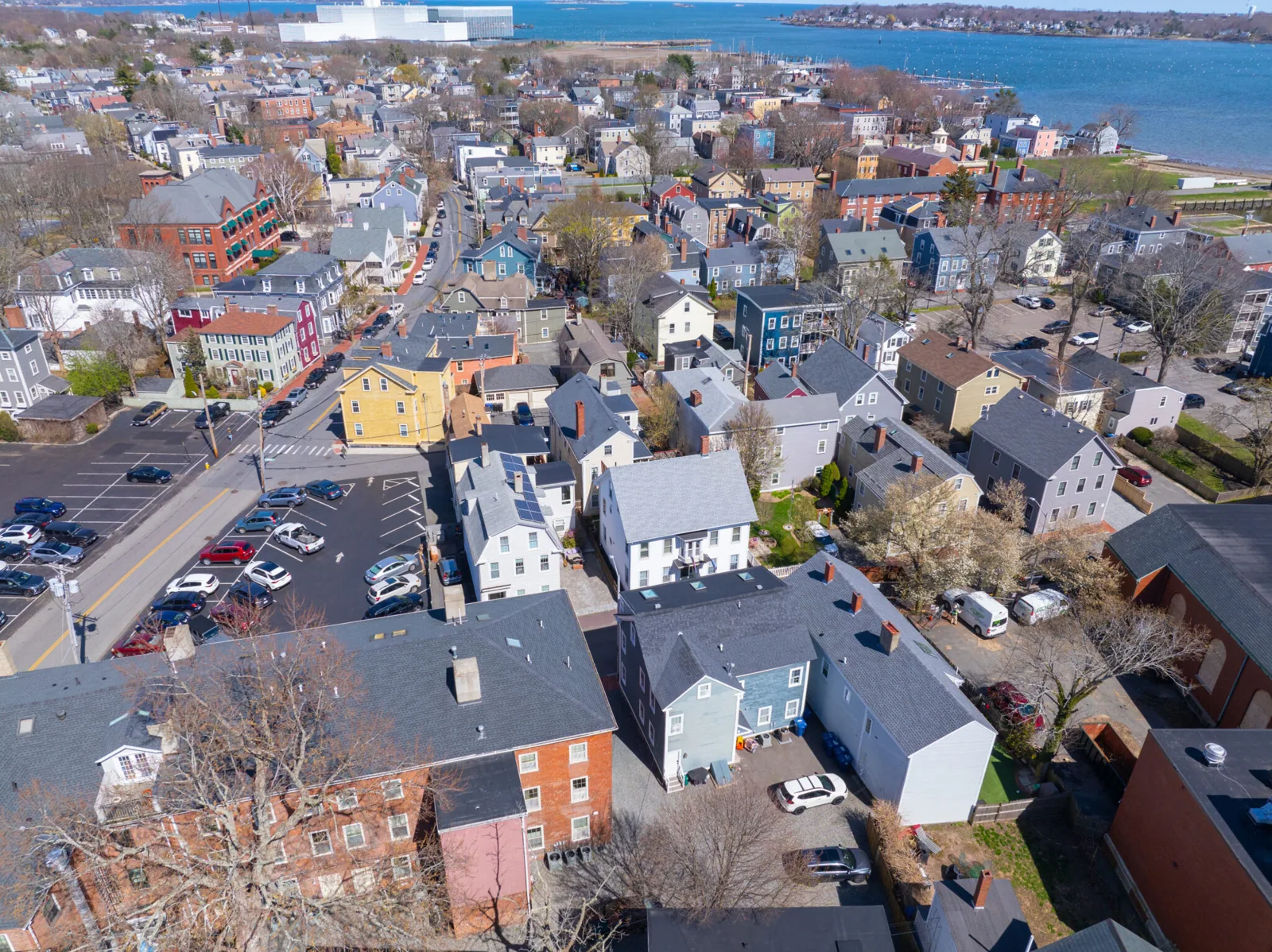
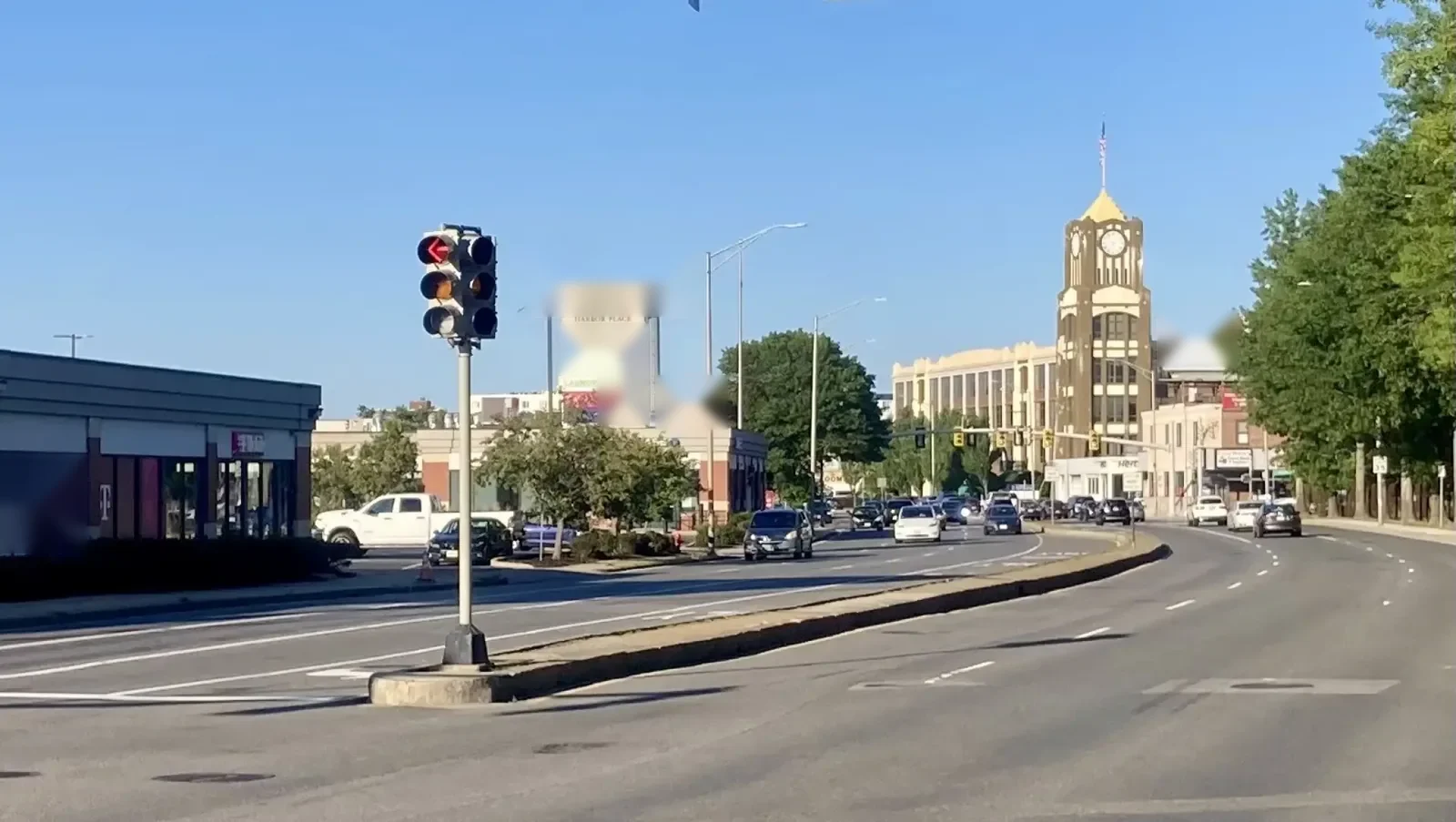
Mixed-use record: separate the use below from the roof above
The traditional core, civic plaza, government center, transit station, retail corridor, and industrial area create different coordination questions within Malden Square. We ask the property manager which entrances, customer routes, public paths, service access, and work hours apply to the building under review. The citywide land-use description does not tell us whether that roof has a low-slope membrane, metal system, or a particular number of layers. The inspection records what is present at the property and keeps a planning fact from becoming a construction claim.
Where the roof is accessible, we photograph seam or lap condition, penetrations, curb flashing, drains, scuppers, edge metal, and visible prior patches. If a section is blocked by equipment or a locked hatch, the condition log says what remains unseen. A comparison with Malden Center or the regional River's Edge district should not merge buildings into one record; each receives its own map and dated photos. For a manager who oversees multiple properties, a zone-based condition report preserves the particular findings and access limits for each asset.
Water and weather: check the system through seasonal change
For Lynn, MA market planning, nearby Boston Logan normals provide a regional view: annual rain measures a little over forty-four inches, snowfall approaches four feet, January mean daily lows are in the mid-twenties, and July mean daily highs reach the low eighties. Those station values help frame seasonal access and water management, but they do not calculate a Malden roof's capacity or establish a leak. At the property, we follow runoff to drains and scuppers and document low points, overflow routes, and flashing where wetting or movement is actually visible.
In winter, a drain blocked by debris or ice can change how meltwater moves, while repeated freezing can expose an open seam or split flashing. The report describes the defect found, its location, and any area not inspected. A drain and scupper assessment can show whether the outlet path is clear and what work is needed. If the roof has no visible obstruction at the time of inspection, that observation belongs in the record too. We do not turn a seasonal possibility into a claim about the roof's current condition.
Inspection boundary: test when hidden material can change the plan
A ceiling stain or a wet interior finish helps identify when and where someone noticed water, but it does not locate a roof opening by itself. We compare the reported room with accessible membrane details and roof drainage, photographing the likely entry path without assuming the first visible defect is the only one. If moisture in an insulation layer or deck condition could alter repair versus tear-off, a test opening can expose the assembly at a chosen point. The report names what the test confirms and what remains untested.
An infrared pattern may help decide where to investigate; it cannot alone verify wet insulation. We document the scan as a lead, then record the physical result where a test is made. For a public or tenant-occupied building, the owner also confirms how interior protection and access will be handled before an opening is approved. A targeted moisture survey and follow-up test can refine a scope when the decision depends on concealed layers. The written record keeps suspected extent distinct from confirmed quantity, which protects a manager from treating an untested area as a completed repair.
Scope comparison: choose the work line that matches the evidence
A repair may fit one failed flashing, seam, puncture, or drain detail when adjacent materials remain suitable. The proposal identifies the preparation, compatible patch or flashing work, tie-in, and location that will be revisited at closeout. If recurring failures span several zones or testing finds wet material, the owner can compare a larger repair with replacement. Our commercial roof repair scope records the boundary and exclusions so an observed repair quantity is not confused with a concealed-condition allowance.
A recover option requires a review of existing layer count, attachment, moisture, deck, edge height, drainage, and project requirements. Removal can reveal hidden conditions and reset the assembly, but adds debris, noise, material handling, and weather exposure. For commercial work, Massachusetts uses 10th Edition 780 CMR with state modifications to the 2021 International Building Code. The design set and permit review establish which details apply to the specific project. A recover or removal comparison should state the information behind each option and identify the test result that could change it.
Access and sequencing: keep the public route accounted for
The property contact confirms the roof entrance, material drop, lift placement, pedestrian route, customer or civic access, service hours, and who can release the work zone. Malden Square's transit and government uses make current access confirmation especially important around the individual site, but the master-plan description does not specify the route for a roofing crew. We write down the building's actual restrictions and define how much roof can be opened during a shift without leaving a transition exposed.
If a concealed condition changes the proposed scope, the crew documents the finding and pauses at an agreed hold point for owner review. Photos can record substrate preparation, membrane work, flashing, edge metal, drains, and temporary dry-in before those details are closed. The closeout file notes repaired zones, material, exclusions, unresolved conditions, and a follow-up inspection where useful. Send the building use, affected area, access contact, available roof history, and work window to request a roof walk. We will return a photo-supported comparison with the evidence and operating limits stated together.
Commercial Roofing Questions
Does Malden Square's mixed-use designation describe my building's roof?
No. The master plan describes a district with civic, transit, retail, cultural, and industrial components. It does not establish a property's roof type, age, or condition. We confirm the actual use and assembly on site before recommending work.
How do you plan around a transit station or public route?
The property contact confirms the actual access point, hours, delivery path, public route, and any closure limit. We carry those conditions into the daily work boundary and identify temporary protection so the crew can secure each opened zone before access resumes.
When is a test opening useful for a Malden Square roof?
Use one when hidden moisture, deck condition, or layer count could change a repair or recover decision. We select a location based on visible evidence, record what is exposed there, and identify adjacent areas that remain untested before updating the scope.
What does a roof repair record need to show for future managers?
The file should include dated photos, roof-zone labels, materials, repair boundaries, exclusions, test results, and conditions that remain open. That gives a successor a clear basis to compare a later leak report with the work completed.
Request a Malden Square roof walk
Provide the property use, affected roof zone, access contact, reported water entry, and operating window. We will document observed conditions and outline a scope with defined limits.
Back to Service Areas.