
Commercial Roofing in Malden Center, Malden, MA
A roof decision in Malden Center needs to account for the station-adjacent setting and the building that will actually be inspected. Malden Center's transit-oriented development area sits beside the MBTA station and central business district. District planning considers density, walkability, and mixed residential, commercial, and retail uses near transit. The station-adjacent setting makes access and work phasing part of a roof project. This growth context informs access planning; a roof walk establishes the assembly and condition at each property. We map the property, photograph visible details, and identify what remains untested.
The first visit confirms the roof entrance, work hours, public route, and person authorized to release an area. We then log seams, flashings, drains, curbs, equipment, and prior repairs by zone. An active pedestrian environment can affect lift placement and temporary barriers, while an occupied space below may limit interior access. Our commercial roof inspection keeps these operational facts alongside the physical findings, so the owner can compare repair or renewal without treating a transit plan as a roofing diagnosis.
Coordinate commercial roof inspections near Malden Center transit with a building-specific plan for drainage, access, testing, and occupied work.
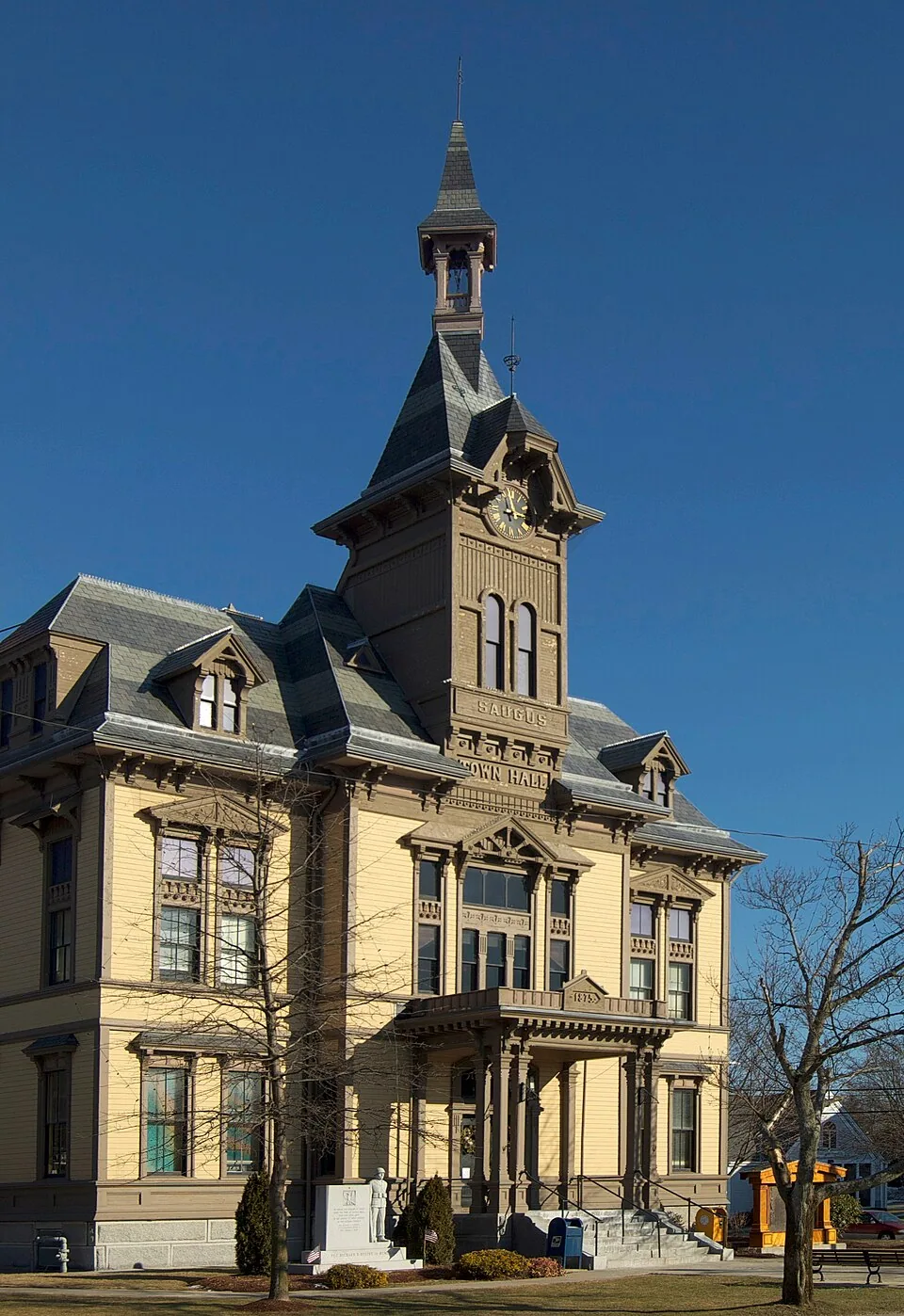
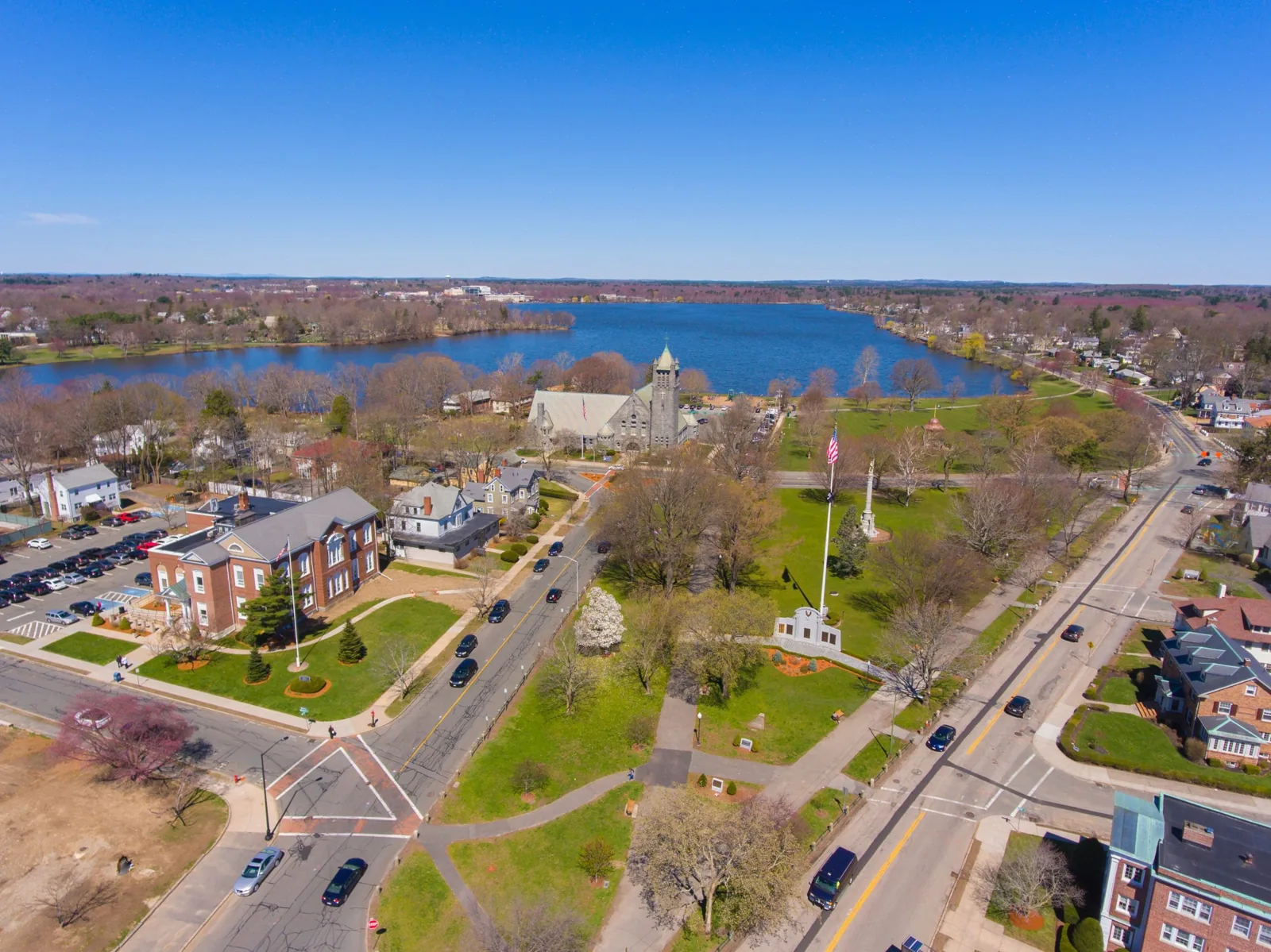
Transit context: confirm the property route before mobilization
Being adjacent to the MBTA station and central business district gives Malden Center a distinct access context. It does not tell us where a particular building receives materials, which entrance must stay open, or what hours a tenant can accommodate. The site manager confirms current sidewalk conditions, loading access, lift placement, and any restrictions from neighboring work. We record the agreed route and set a roof-zone boundary that can be opened and protected inside the available shift.
District planning pairs walkability with mixed residential, commercial, and retail uses near transit. Before work, confirm pedestrian routes and delivery control with the property's access contact. An owner can use a roof condition log to separate immediate leak control from planned capital work, with dated photos attached to each zone. Malden Square has a broader mixed-use downtown profile, while a River's Edge property carries a multi-municipality development context. A roof assessment still belongs to the specific structure and its own access contact.
Roof-zone record: connect interior reports with exterior evidence
A transit-adjacent property may have a busy entrance below a roof zone, but pedestrian activity does not indicate where water enters. We record the time and room of an interior report, inspect accessible details above, and photograph the membrane or metal, curb, wall transition, drain, and edge where relevant. Water may travel between layers before appearing indoors; the inspection note should identify the actual defect seen and avoid assigning an unconfirmed source.
If hidden insulation, deck, or layer count could change the repair boundary, we describe a test opening and the question it will answer. A thermal pattern can guide a test location, but the physical finding applies to the material exposed there. Adjacent sections remain unconfirmed unless tested. The roof-zone report can preserve the location, date, photos, and limits of each observation. If exterior construction or a transit improvement affects access, the property contact can arrange a return visit rather than treating an inaccessible zone as inspected.
Drainage and weather: make seasonal movement part of the map
Lynn, MA provides a nearby seasonal benchmark: annual precipitation exceeds forty-four inches, snowfall is roughly four feet, and temperatures range from winter lows near 24 degrees to July highs around 83. That regional pattern informs seasonal roof planning in Malden Center. On site, we follow the water route to an outlet, note a real low point or blockage, and check whether transitions show visible movement or separation.
Where a drain is clear and the surrounding flashing is intact, we can preserve that condition in the photo record. Where there is ponding or an obstructed outlet, the scope should identify location and work needed instead of generalizing across the roof. A drain inspection pairs the field finding with the outlet and overflow detail. Massachusetts applies its 10th Edition building code, with state changes to the 2021 IBC, alongside commercial energy provisions. The project design and permit review establish which requirements govern the assembly. Permit and assembly decisions should be reviewed for the actual project rather than inferred from a district development study.
Scope options: preserve a clear choice for the owner
A local repair may be suitable when the observed issue is a bounded opening, seam, curb flashing, or drain detail and adjoining materials can accept the tie-in. We state the repair area, surface preparation, compatible materials, and any area left unopened. If testing shows moisture beyond the visible defect, or several zones show recurring movement, the owner can compare a wider repair and replacement. A repair proposal should connect the quantity to dated evidence and list any allowance that depends on concealed conditions.
A recover may be considered when the existing layers, attachment, moisture condition, deck, edge height, and drainage support it under project requirements. Removing the assembly may allow access to concealed materials and changes to insulation or slope, but it adds handling, debris, noise, and weather exposure. A recover or tear-off scope should compare those tradeoffs and identify what test or permit review remains. If the building remains open, phasing can be set by a zone with a daily dry-in limit, giving the property team a defined area to coordinate with tenants and station-adjacent movement.
Access and sequencing: protect the public edge of the job
Before mobilization, we verify roof access, material staging, delivery hours, pedestrian controls, equipment restrictions, and the site representative who can release a work zone. Near Malden Center, the property manager's current route and safety requirements are more useful than a general assumption about transit access. If a sidewalk, entrance, or neighboring tenant must remain available, we state the barrier line and material path. The sequence also lists any other trade that must finish work at a curb or penetration before roofing can close the detail.
At day's end, the crew photographs completed work, temporary tie-ins, drains, and any transition that needs return inspection. When concealed conditions require a scope change, the owner receives the test location and result before the roof is covered. The closeout file keeps the approved repair boundary, unresolved sections, material notes, and follow-up items together. Share the building use, reported roof zone, available plans, access contact, and operating window to request an inspection. We can produce a photo-supported scope that distinguishes work complete from the decision still pending.
Commercial Roofing Questions
Does proximity to the Malden Center station restrict roof access?
The property manager confirms the actual access rules, delivery route, and hours for that building. The station-adjacent setting makes sidewalk and staging coordination important, but it does not establish a restriction without site-specific information. We document the approved work path before mobilization.
Do district development plans define a roof's condition?
No. District planning addresses land use and potential investment; a roof assessment records the assembly and visible condition at a property. We connect any repair recommendation to photos, tests, access limits, and the owner's project requirements.
What can a manager do if a roof zone is not accessible?
The inspection record marks that zone as unobserved and states what access or shutdown is needed for a return visit. It should not treat an inaccessible section as sound or damaged. The scope can remain limited until the missing view is available.
Can occupied work be phased near the central business district?
A phased sequence can work when the roof layout, access, weather, and daily dry-in limit support it. We identify the zone opened each shift, the protected routes below, and any hold point where the owner needs to review a concealed condition.
Request a Malden Center roof walk
Share the building use, access route, affected roof zone, operating hours, and available maintenance record. We will document the observed condition and outline a phased scope if appropriate.
Back to Service Areas.