
Fitness Center Roofing in Lynn, MA
A drip over a workout floor can interrupt classes before the roof leak is located. We map the reported area, inspect the roof zone above, and check nearby seams, curbs, drains, and equipment supports. The ceiling mark is not always below the entry point, so the condition log separates the interior report from roof details the crew actually confirmed. Photos show both the close connection and the surrounding zone, with a test opening listed only when concealed layers could change the repair boundary.
Fitness facilities can include workout floors, locker areas, offices, studios, and service rooms, each with a different schedule. The manager confirms which areas are occupied, what equipment must remain active, and when noise or access can be limited. Downtown Lynn's recognized arts district combines gallery, event, dining, and storefront activity. The Lynnway Corridor carries regional trips by several modes. Those city activity patterns make delivery timing worth checking; the facility sets its own class calendar and access plan. A commercial roof inspection creates a dated roof-zone record for the owner and operations lead.
Plan Lynn fitness-center roof repairs around occupied workout areas, equipment access, drainage, and a dated condition log with clear work limits.
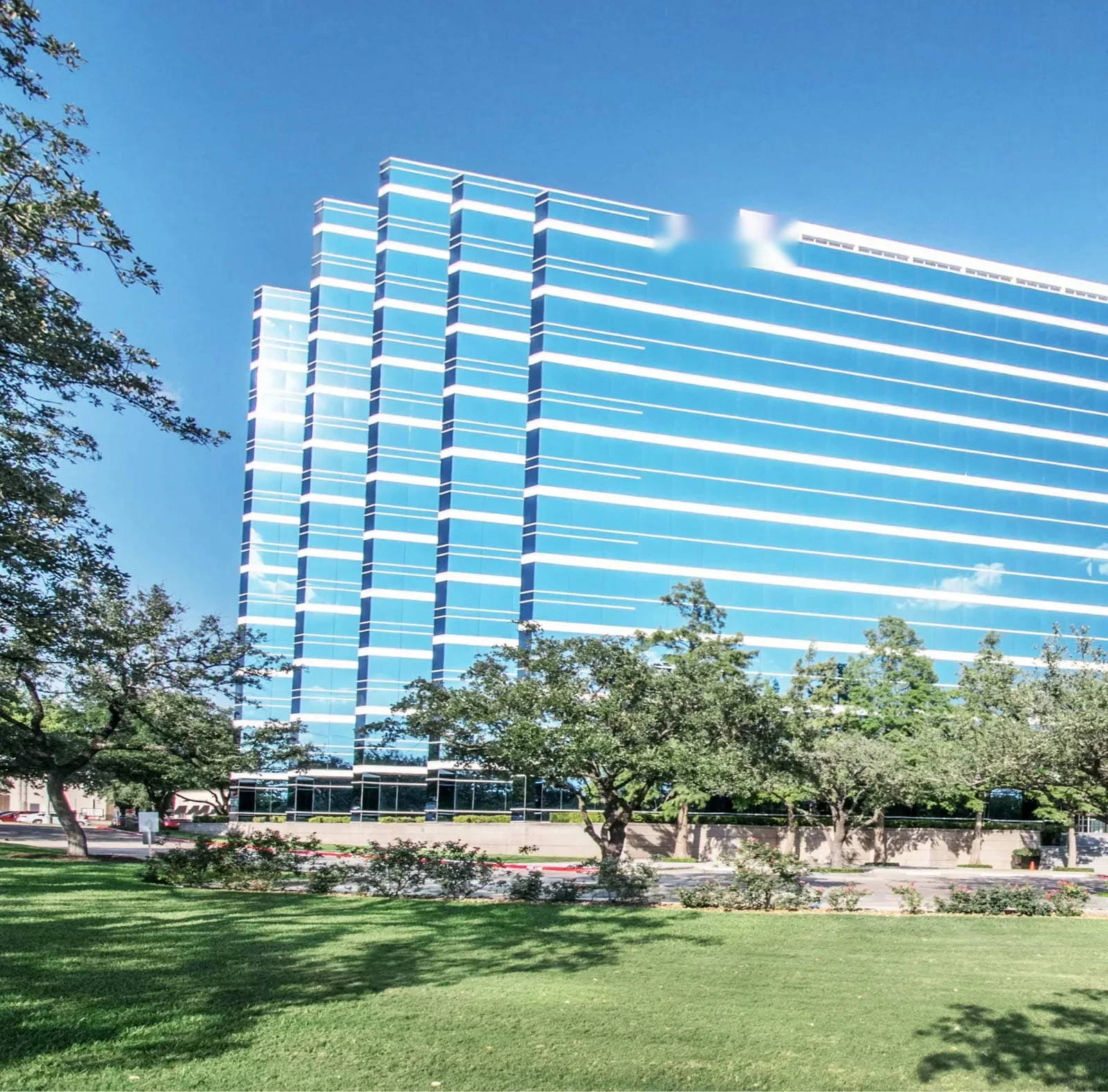
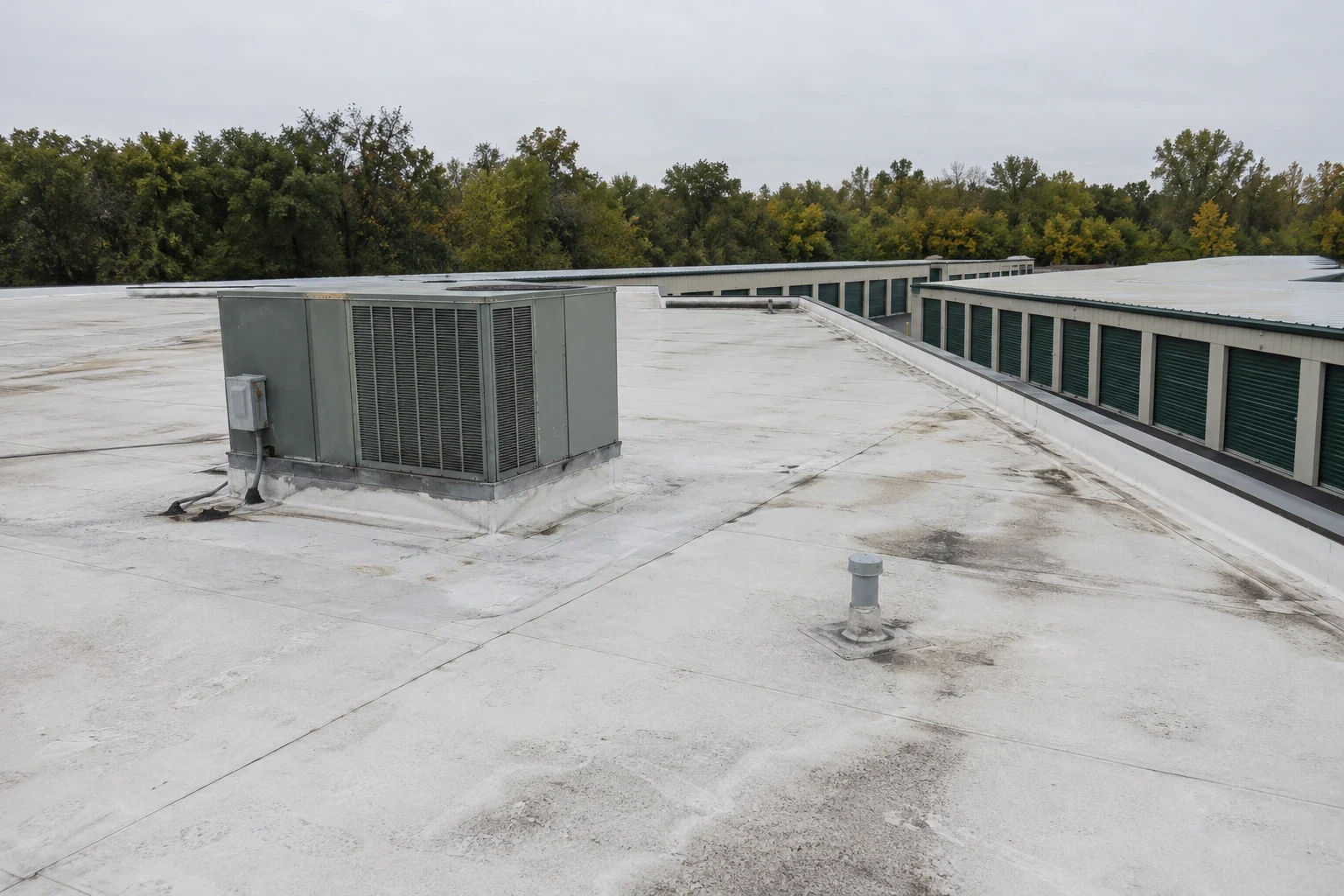
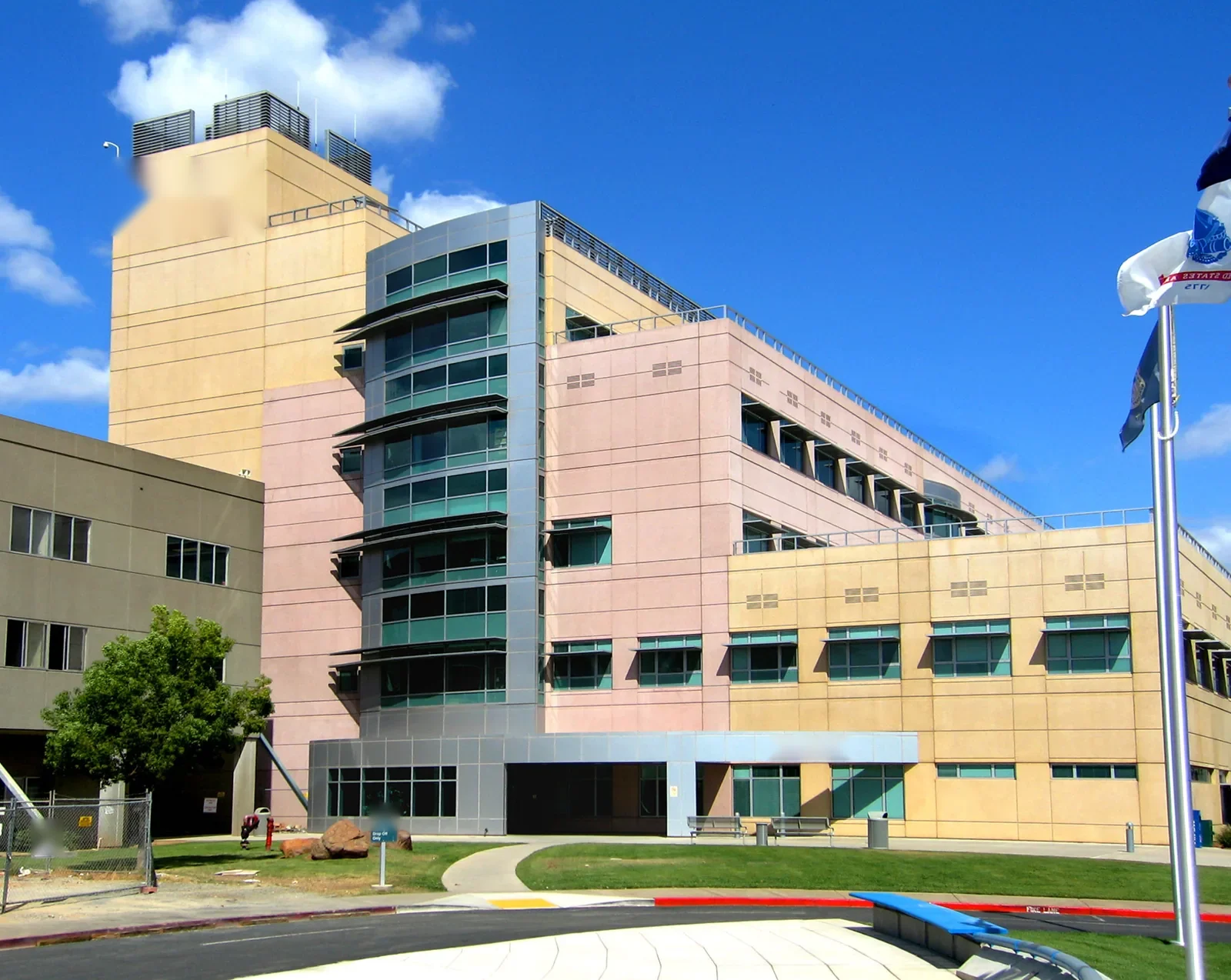
Occupancy window: plan above active classes and equipment
The facility contact identifies class schedules, open workout areas, locker rooms, offices, and any route members use throughout the day. We mark the ground boundary under the active roof zone and confirm where a lift or material can stage without blocking a required entrance. If a group class occupies the area below a repair, the schedule should set a closure or alternative room before roofing work begins overhead.
Fans, HVAC equipment, exhaust, lighting, and communications lines may cross the roof, but the actual equipment list comes from the site. We inspect flashing, curbs, supports, and service clearances and identify who owns a shutdown or equipment move. If the leak is near a fan or duct, inspect the roof transition and the equipment interface separately before assigning the cause. A curb and support review can show the roof connection and any mechanical handoff.
A hotel roofing sequence may be shaped by guest occupancy, while a fitness center has class turnover, equipment use, and member access to coordinate. The plan should identify the contact who can close a room, approve a test opening, and release the roof zone for the next shift. Where the roof also covers administrative offices, an office roof zone should be logged separately from workout areas.
Leak path: compare the ceiling report with roof details
Water can travel along a deck, insulation joint, conduit, curb, or wall before showing on a workout floor. We begin near the reported area and inspect the likely route, including membrane seams, drains, penetrations, edge metal, and previous patches. The roof map records the confirmed defect and any location that remains uncertain. If the assembly is not visible at the surface, we explain what a test opening would establish before disturbing it.
Locker rooms, showers, and other wet-use areas may have plumbing or interior moisture conditions that require a separate check. We keep those possibilities distinct from roof findings. At a roof penetration, we inspect the flashing and membrane tie-in; at a drain, we check the bowl, strainer, slope, overflow route, and nearby low point. A drain inspection can distinguish maintenance from a failed connection that needs repair.
If a moisture pattern extends beyond one visible leak, an infrared moisture survey can help select a representative test area. The image guides the next step but does not confirm wet insulation by itself. The test opening documents the layers found, the condition at that point, and how much of the roof remains untested. The owner can then compare the repair limit with a broader investigation.
Regional weather: keep drainage and edge details on the record
The station used for Lynn-area climate planning records 44.52 inches of precipitation annually and 48.2 inches of snow. At a fitness site, we check how runoff moves from roof zones above studios and locker areas, then verify edge details at the building. We inspect the actual assembly and note what affects drainage or can admit water below it.
Sandy caused coastal flooding in Massachusetts in 2012, with strong winds reported near Boston. Severe thunderstorms can also bring hail and damaging gusts. A fitness-center inspection after a storm checks its own perimeter metal, seams, and penetrations for change. A storm review separates observed roof conditions from the regional event record and notes any area the crew could not reach.
The Lynnway Corridor is part of a regional route serving several travel modes. Downtown Lynn includes public events and commercial activity. Those broader activity patterns can affect traffic or staging near a facility, but the manager confirms the site's actual delivery path, entrance limits, and class schedule before the crew arrives.
Repair comparison: restore the roof without losing the schedule
A local repair may fit a seam, puncture, drain, or flashing failure when adjacent materials remain serviceable. The proposal names preparation, compatible materials, tie-in, roof zone, and protection below. If wet insulation, repeated leaks, or loose attachment extend past the visible defect, we stop at a hold point, show the test result, and obtain direction before expanding the work boundary.
A recover review checks existing layers, moisture, attachment, drainage, edge height, and equipment transitions. If the assembly can support another system, the scope defines the preparation and tie-in. If not, a replacement plan can address removal, insulation, drains, curbs, and work phases. A repair scope may resolve immediate water entry while the owner compares a broader project against class closures, equipment access, and dry-in limits.
Cost and duration depend on roof type, repair quantity, lift and staging access, material, weather, noise restrictions, and how much roof can be opened and closed in a shift. If a test reveals deck damage, the crew documents the change and asks for approval before adding work. The facility can see the scope and operating impact before deciding whether to proceed.
Closeout log: give the operations team a dated handoff
Closeout lists roof zones inspected, findings, repairs, materials, photos, tests, and any temporary protection left in place. It records which studio, locker, or workout area was affected only when staff confirms the relationship. The log also notes access limits and the next check after rain. Facilities staff can pass the same information between shifts without turning a temporary patch into a permanent repair record.
For properties with several buildings, a roof condition report can keep findings comparable while preserving each roof map. Downtown Lynn and the Lynnway Corridor represent different city activity areas; neither tells us how a fitness site operates. The manager's class calendar, service contacts, and building access rules set the work sequence.
To schedule an inspection, share the reported area, roof plan, equipment contacts, operating hours, and class restrictions. We will map the field condition, identify what remains concealed, and provide a repair boundary or next test for review.
Commercial Roofing Questions
How can roof work avoid closing the whole fitness center?
We plan by roof zone and coordinate the area below with the manager's class schedule, equipment access, and member routes. Each phase has a defined opening limit and dry-in point so operations can see what remains restricted.
What if a ceiling leak appears near a shower or locker room?
We inspect the roof details above and keep roof findings separate from plumbing or interior moisture questions. The report maps the observed flashing, seam, or drain condition and identifies a test if the entry path remains open.
Can HVAC equipment stay on during roof repair?
That depends on the equipment interface and the approved work area. We identify the unit, service contact, and any shutdown or clearance requirement before altering a curb or support, then record the handoff.
What should an owner compare before approving a roof replacement?
Review the tested roof condition, removal limits, insulation and flashing scope, daily dry-in, class closures, and equipment access. We place those points beside the repair option so the schedule impact is visible with the roof work.
Request a fitness-center roof walk
Share the affected area, class schedule, equipment contact, roof access, and protection needs. We will return a dated condition log with repair limits and any test needed.
Back to Property Types We Roof.