
Auto Dealership Roofing in Lynn, MA
Showroom doors and service bays create different protection needs when a roof leak is reported. We map the interior mark to the roof zone above, inspect nearby seams, curbs, drains, and penetrations, then set a repair boundary before opening material. The sales floor, parts storage, customer waiting area, and active service lanes may each need a different access or contents plan; the dealership lead confirms what is present and what must remain open. The dated photo record distinguishes a visible defect from a suspected water path.
Vehicle inventory and customer routes make staging part of the roof scope. We confirm the delivery entrance, lift position, overhead protection, and work hours with the site contact before material arrives. Lynnway Park includes warehouse and processing activity, while Event days in Downtown Lynn's recognized cultural district can affect nearby access; the property contact confirms entrances, operating hours, and the roof work window. A commercial roof inspection records the actual assembly, operating limits, and roof-zone findings at the property.
Coordinate Lynn dealership roof repairs around showroom access, service operations, vehicle protection, drainage, and photo-documented work limits.
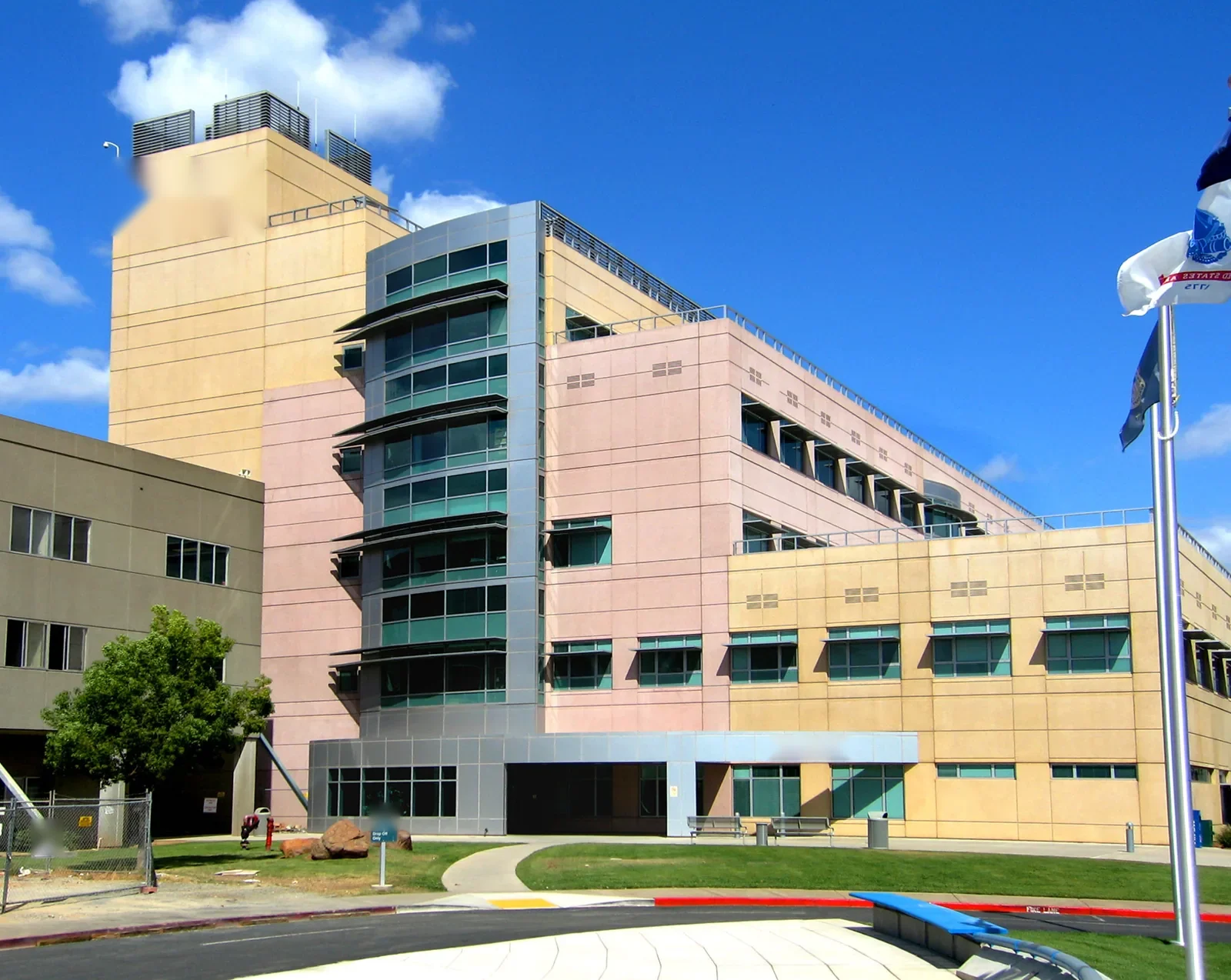
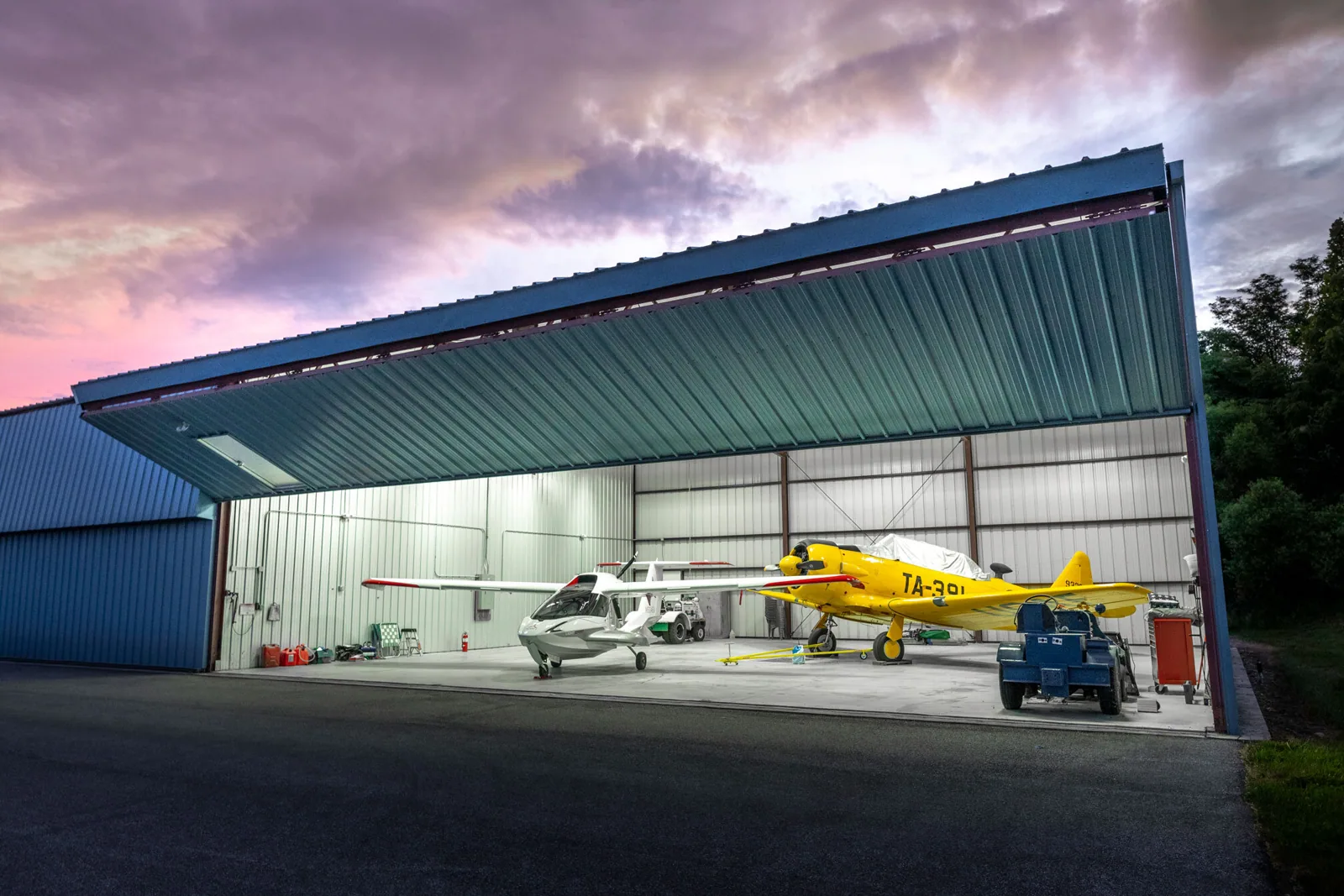
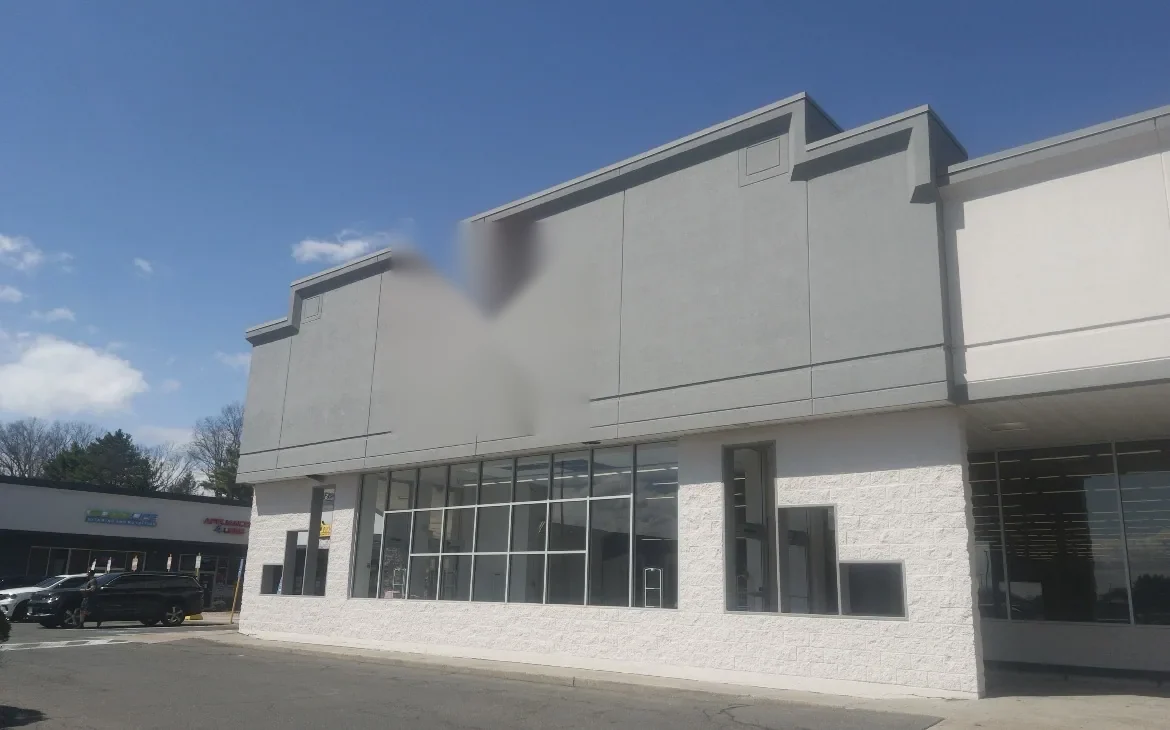
Operations map: separate customer and service routes
The property lead identifies sales entrances, service-bay doors, vehicle circulation, parts deliveries, and any area where cars cannot be moved during the work window. We mark where a lift, dumpster, and material pallet can go without crossing a customer path or blocking an emergency route. If roof work is above a service lane, schedule it around the work below and confirm how vehicles will be protected before the first opening.
Showroom and shop areas can sit under separate roof sections or share transitions. The field walk checks the plan against the actual roof, then notes which zones were reached and which remain inaccessible. We do not infer the roof assembly from the dealership label. At a metal panel roof, we check fasteners, laps, closures, and flashing. On a low-slope membrane, we inspect seams, drains, curbs, and edge terminations. A large retail roof plan has its own customer-flow demands; dealership service operations need a site-specific vehicle route and work boundary.
When an active leak threatens vehicles, parts, or customer areas, temporary water control may be needed before a permanent repair is approved. The crew records the affected bay or room, protection placed, and any access limitation. That allows the service manager and facility lead to coordinate the space without presenting a temporary cover as a completed correction.
Roof details: trace the path above the affected bay
Water can travel from a curb, wall, seam, or drain before reaching a ceiling or vehicle bay. We start near the reported interior area and inspect the likely route across the roof plane. At an exhaust curb, we check corner flashing and the membrane connection. At a drain, we inspect the bowl, strainer, slope, overflow route, and nearby low points. At a roof edge, we review attachment, metal laps, and termination. Each observation goes on the roof map with a dated image.
Dealership roofs may carry exhaust, ventilation, communications, or rooftop HVAC, but the actual equipment is confirmed during the walk. We identify service clearance and the trade responsible for any unit movement or shutdown. If another contractor has installed a curb or line, pause at the interface before the roofing crew closes it. A curb and support review can record that boundary and the follow-up contact.
If the leak recurs or insulation may be wet, an infrared moisture survey can help choose a test point. The image pattern guides the next check; it does not confirm concealed moisture. The test opening identifies the layers at that location and the limit of the sample. A leak repair visit can separate immediate water control from the larger condition that needs review.
North Shore weather: inspect edges and drainage after exposure
The Boston station's long-term climate record averages 48.2 inches of snow each year and 44.52 inches of precipitation. At a dealership, that guides a check of drains, overflows, and the edges above customer and service areas; the roof walk establishes whether any defect is present. We check the actual drainage path and note any area where meltwater, debris, or a damaged connection changes how water leaves the roof.
Sandy's 2012 storm record notes Massachusetts coastal flooding and measured winds at Boston and Revere Beach. Regional storm guidance also warns that hailstones can reach an inch and winds can damage exposed details. We inspect the dealership's trim, seams, and flashing and record only what is found. A storm inspection can identify urgent protection and the permanent work still needed.
The Route 1A Lynnway and Carroll Parkway corridor serves multiple travel modes. That context can matter to delivery timing, while the dealership contact sets the actual gate, service drive, and staging route. Downtown Lynn’s galleries, restaurants, retail, public art, and events add another city activity pattern, but the work plan follows the specific site's customer and vehicle circulation.
Scope comparison: keep the repair and sales floor coordinated
A localized patch or flashing correction may fit when the surrounding membrane, insulation, and deck are suitable. The proposal identifies preparation, material, tie-in, protection below, and the exact roof zone included. If leaks repeat across several bays or a test opening shows wet insulation, the crew sets a hold point and presents the finding before increasing the quantity. The dealership can then decide whether to keep a narrow repair or compare a broader project.
A recover review checks moisture, layer count, attachment, drain height, edge clearance, and equipment transitions. If the existing assembly cannot support an overlay, a replacement evaluation defines tear-off, substrate review, insulation, and daily dry-in. A recover assessment should list its conditions and assumptions. When a service bay or showroom must remain active, the sequence identifies vehicle relocation, customer routing, protection below, and the area that closes at each shift.
The schedule is driven by open roof area, service-bay downtime, vehicle relocation, lift setup, weather, and what a test opening reveals below the membrane. After a test cut, wet insulation or damaged deck can change the scope. We photograph what was found and obtain approval before extending the work boundary. The record keeps immediate leak response distinct from replacement planning so staff can track both decisions.
Closeout record: return the dealership to its normal routes
The final package identifies the repaired bay zone, materials, dated photos, and the time the service drive or customer route reopened. It flags temporary protection and any detail still awaiting a trade handoff. If a mechanical contractor still owns a curb or equipment change, the handoff identifies the interface and contact. The dealership lead can then reopen the area with a clear account of what was repaired and what remains under review.
For a portfolio that also includes warehouse buildings, keep each roof map and repair history attached to its property. Commercial work in Saugus spans a town-identified Route 1 development area and Saugus Center; the Lynn Harbor DPA supports water-dependent business. Those areas describe the city’s industry, not the dealership’s assembly. Closeout stays tied to the roof actually inspected.
To request a dealership roof walk, share the affected bay or customer area, roof plan, site contact, service schedule, and vehicle-protection requirements. We will map the defect, identify any test needed, and give the owner a scope with a clear repair boundary.
Commercial Roofing Questions
How do you keep vehicles protected during dealership roof work?
The site lead identifies vehicle routes, active service bays, inventory areas, and approved staging before work begins. We mark overhead protection and the roof zone that can be opened and closed in the shift, then note any area still restricted.
Can a roof leak over a service bay be repaired overnight?
Emergency response is available around the clock, including holidays. The first visit can control active water entry and document the temporary boundary; permanent repair follows when the assembly and work window are confirmed.
Does a storm report prove the dealership roof was damaged?
No. The report helps set inspection timing, but repair scope comes from physical findings such as punctures, open laps, impact, or displaced metal. We photograph the affected roof zone and distinguish it from areas not reached.
What details can change a dealership replacement schedule?
Service-bay access, customer circulation, vehicle relocation, rooftop equipment, staging, weather, and test-opening results can all affect sequence. We identify these constraints and dry-in limits before the owner approves the phase plan.
Request a dealership roof inspection
Share the affected bay or showroom area, access contact, service schedule, roof plan, and vehicle-protection needs. We will return a photo-supported scope with clear work and staging limits.
Back to Property Types We Roof.