
Versico Roofing in Lynn, MA
For a distribution or food-processing property in Lynn, a Versico proposal needs a condition record useful to the person approving downtime and scope. We first identify the roof assembly as far as visible evidence allows, then log the membrane, seams, penetrations, drainage, edges, and access constraints by zone. Versico's commercial product range includes VersiWeld TPO, VersiGard EPDM, and PVC options. The system names help identify possible materials; they do not reveal what lies below an existing membrane or where a repair should end.
Lynn Harbor's port area supports water-dependent industry and commerce, while Downtown Lynn has active retail, restaurant, and cultural uses. Their operating patterns can affect staging, security, and work windows. Our commercial roof inspection records actual roof conditions separately from those logistics, with dated photos and a map reference for each finding. That gives an owner a practical basis to compare Versico options with another assembly and decide whether targeted testing is needed before a price is finalized.
Evaluate Versico TPO, EPDM, and PVC roofing options in Lynn through a field review of assembly layers, seams, edge details, drainage, and access.
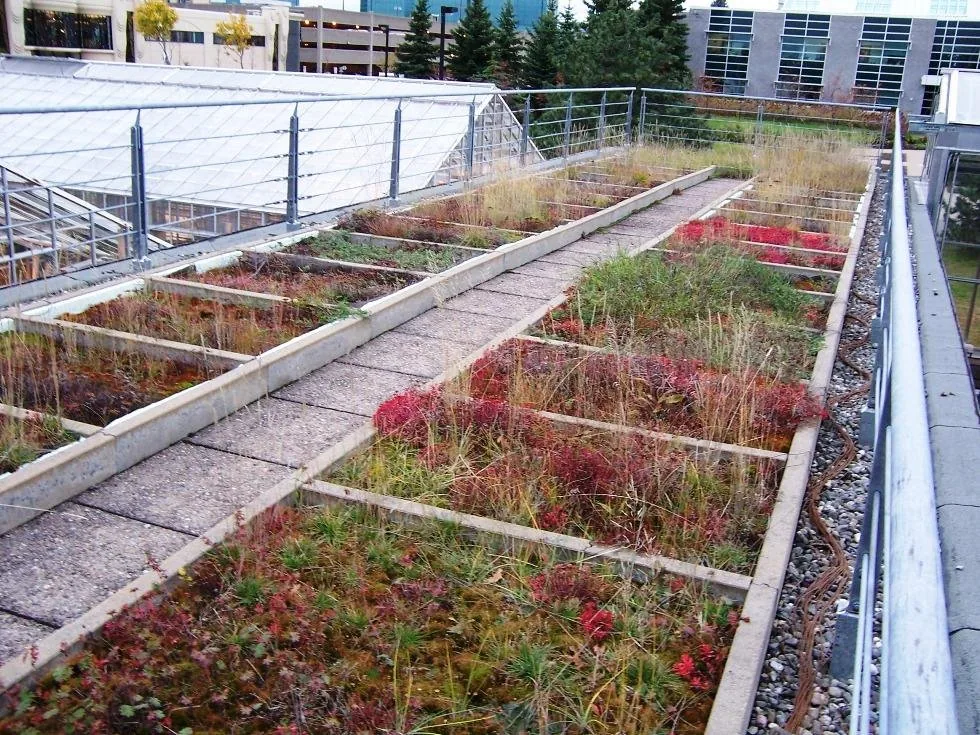
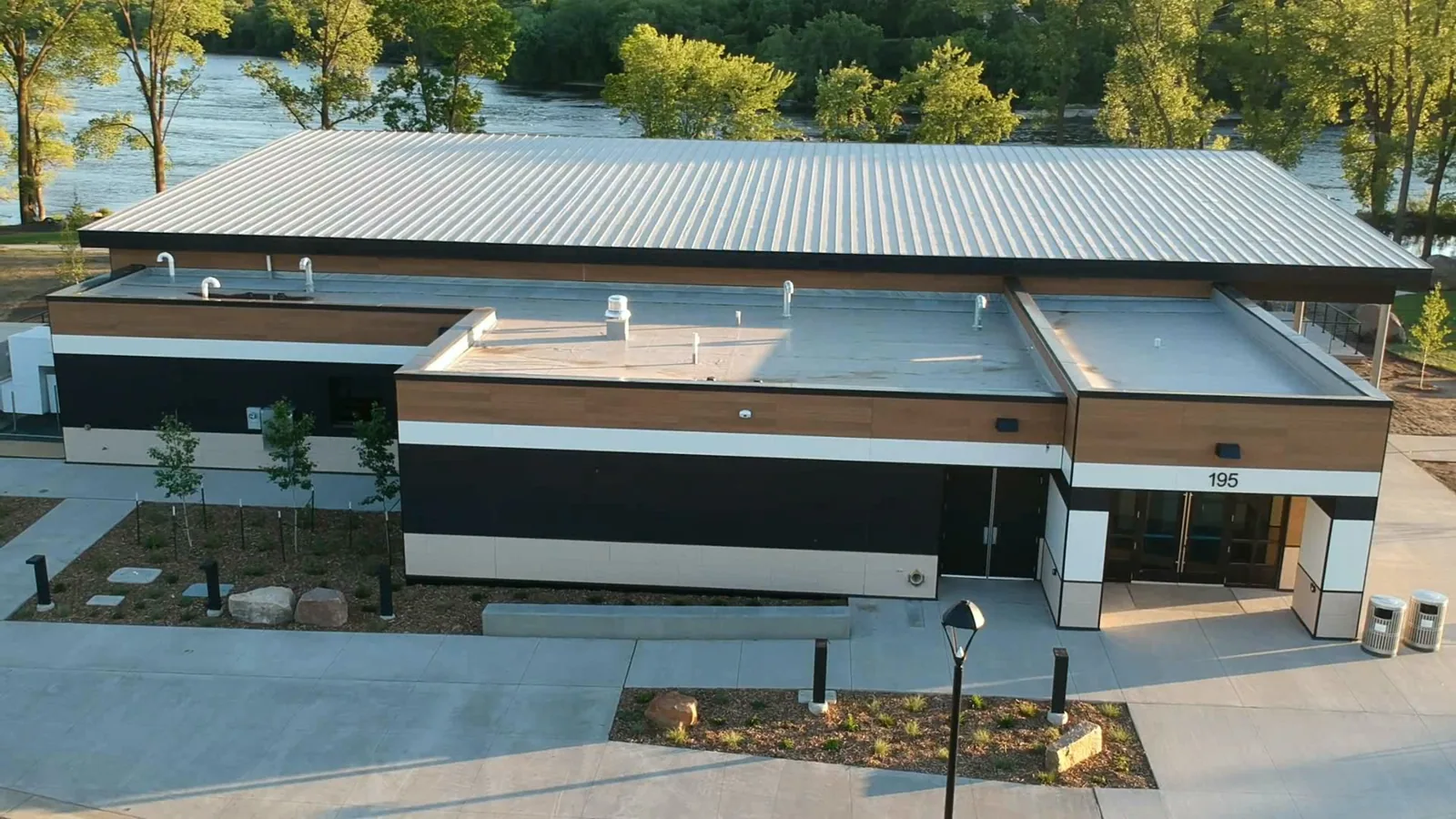
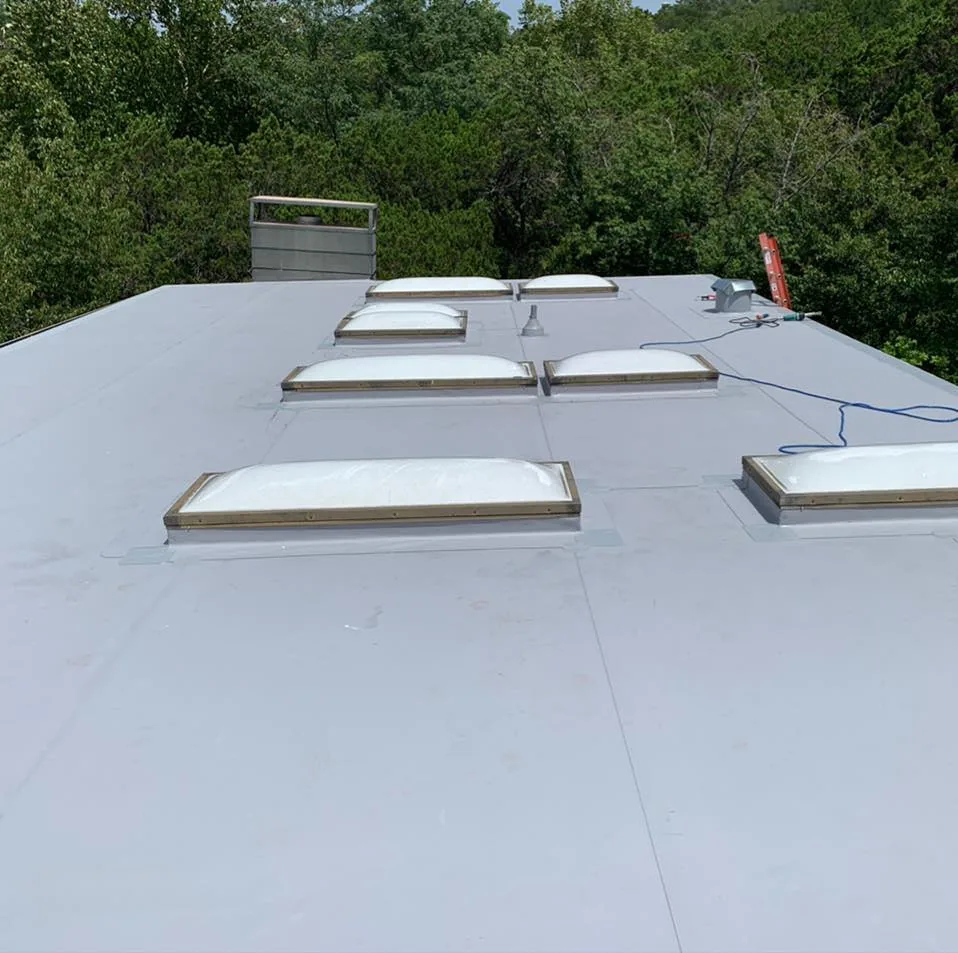
System options: distinguish the membrane families
VersiWeld TPO, VersiGard EPDM, and PVC are not interchangeable labels. Their membrane materials, seam methods, flashing details, and accessories differ. We document what is installed and review the proposed system with the substrate, insulation, slope, attachment, roof traffic, and project requirements in view. For a TPO assembly, seam welds and transitions need to be inspectable. For EPDM, the scope must address the appropriate seam and flashing details. For a PVC option, the specified materials and project conditions need the same careful review.
A comparison with GAF commercial membranes or a Sika Sarnafil PVC system should be about actual components and installation constraints, not a generic ranking. We record insulation and cover-board transitions, edge securement, curbs, drains, and penetrations. Where existing layers are uncertain, a test opening may be necessary before deciding whether to repair, recover, or remove the assembly. The owner can then see which recommendation rests on visual inspection and which depends on concealed conditions.
Observed condition: keep each finding on the map
A roof walk begins with visible conditions that can be photographed and located: open or irregular seams, punctures, loose perimeter metal, worn flashing, previous patches, standing water, or damage around a curb. We mark the point and its surrounding zone, then describe what the photo shows without guessing about materials below it. A reported ceiling leak can guide where we look, but its interior location may not match the roof opening. The report keeps the owner-provided symptom separate from our roof finding.
If a moisture survey indicates an area for further investigation, a test opening can show the assembly at that point. The finding applies to what was exposed, not automatically to the entire thermal pattern. We note the number and thickness of layers when visible, substrate condition, and whether insulation is wet or dry at the test location. A moisture survey followed by targeted testing can help refine the repair boundary, while a dated condition report preserves which sections remain untested. This is especially useful when the bid contains an allowance for concealed material.
Local exposure: tie weather context to roof details
Lynn roofs face regular rainfall and close to four feet of annual snow, with winter freezing and summer heat. That nearby regional context makes drain function, overflow paths, snow and ice access, and freeze-thaw transitions useful parts of a Lynn inspection. It does not establish a roof's load capacity, slope, or current condition. We document the actual drain bowl, scupper, low point, and perimeter details, then identify whether water has a clear route off the roof or a specific obstruction is visible.
During Hurricane Sandy, coastal flooding and strong winds affected parts of the Massachusetts shoreline. For properties around Lynn Harbor, that history can focus attention on wall transitions, perimeter securement, and water pathways after a severe event. It cannot prove that a specific building sustained damage. The inspection records displaced edge metal, open seams, punctures, wet insulation confirmed by testing, or other evidence actually found. At a Lynnway facility, the same visit can record truck movement and delivery windows that affect material staging. Saugus includes several economic-development areas; a Saugus roof visit still confirms each property's roof, operations, and staging plan.
Scope comparison: define what changes between options
A Versico repair may be appropriate for a discrete puncture, seam issue, or flashing defect when the adjacent assembly remains serviceable and compatible repair materials are available. We specify preparation, repair dimensions, transition method, and the area not tested. If several zones show similar wear or a test opening confirms wet insulation beyond a local defect, we compare the cost and disruption of a broader repair with replacement. The written repair scope should state the evidence supporting its boundary and the condition that would require additional work.
A recover may be considered after checking layer count, attachment, moisture, substrate, edge height, drainage, and project rules. If those conditions are not met, the owner may need removal and replacement. A new assembly can include insulation, cover board, membrane, flashing, and perimeter work, but it also brings debris, noise, and a larger period of weather exposure. The recover or tear-off comparison should identify each assumption and hold point. Neither the proposed Versico system nor a competitor's product name should obscure what has actually been inspected.
Access and sequencing: close the workday with a known line
Before mobilization, we confirm the hatch or ladder, lift and staging area, delivery route, rooftop equipment paths, and operations that need uninterrupted access. The Lynnway's industrial and storage uses may require coordination around loading, food handling, or refrigeration service. Downtown Lynn buildings may need a protected public entrance or work periods that avoid tenant activity. The plan identifies the actual restrictions for the property, then sets a roof-zone boundary that can be opened, inspected, and secured during one work window.
Where another contractor must alter a curb or move equipment, we set a hold point so the roofing detail is reviewed before it is covered. The crew records substrate preparation, seam or flashing work, edge conditions, drain completion, and temporary protection. At closeout, the owner receives a roof map, photos, material record, exclusions, and follow-up items. If weather or a concealed condition changes the sequence, the file shows what was completed and what remains. Send the building use, existing membrane if known, affected zones, access contact, and schedule limits to arrange a roof walk.
Commercial Roofing Questions
Which Versico membrane fits an existing Lynn roof?
That depends on the existing assembly, deck, roof use, drainage, attachment requirements, and project documents. We identify the current system and its condition first, then compare a proposed VersiWeld TPO, VersiGard EPDM, or PVC assembly with the details that matter at that building.
Can a Versico roof be recovered instead of torn off?
A recover needs evidence that the existing layers are stable, dry enough, attached, compatible, and allowed under the project requirements. We check the layer count, deck, edge height, drainage, and transitions, then describe any test opening needed. The scope states what remains unknown before the owner selects an option.
How do you document a leaking area before a Versico repair?
We separate the reported interior location from the roof conditions found above it, then photograph the membrane, seams, flashing, drains, and nearby details by zone. If concealed moisture could change the repair line, we identify targeted testing and record precisely what the test exposed.
What should a Lynn facility manager include in a roof request?
Include the building use, known leak zones, any available roof plans or system records, who can arrange access, and the hours that work can occur. For Lynnway or harbor operations, note delivery and service constraints. Those details help define an inspection route and an initial sequencing discussion.
Request a Versico roof condition review
Send the building use, existing system if known, affected roof zones, access contact, and operating window. We will document observed conditions and provide a photo-supported scope comparison.
Back to Roofing Manufacturers.