
Sika Sarnafil Roofing in Lynn, MA
On a Lynn commercial property, a Sika Sarnafil PVC proposal should begin with the roof beneath the specification. We identify the membrane and attachment where visible, then record seams, penetrations, perimeter details, drains, and prior repairs by roof zone. Sika Sarnafil offers PVC roofing membranes and system components, but a product family does not resolve the condition of an existing deck or insulation. The owner needs a dated record of what can be seen, what requires testing, and where a repair or replacement scope would stop.
A warehouse or cold-storage operation at Lynnway Park has different access and staging demands from a storefront or office in Downtown Lynn. Marine-dependent activity at Lynn Harbor introduces another delivery context. The property contact confirms work hours and access limits, while the roof walk establishes the conditions that need repair. Our commercial roof inspection connects each photograph to a marked location, while the written scope separates observed conditions from suspected concealed issues. That record allows the owner to compare a Sika Sarnafil assembly with the building's actual requirements.
Assess Sika Sarnafil PVC roofing for Lynn buildings with documented seam, flashing, drainage, substrate, access, and repair-boundary findings.
Material and detail: record what the PVC turns into
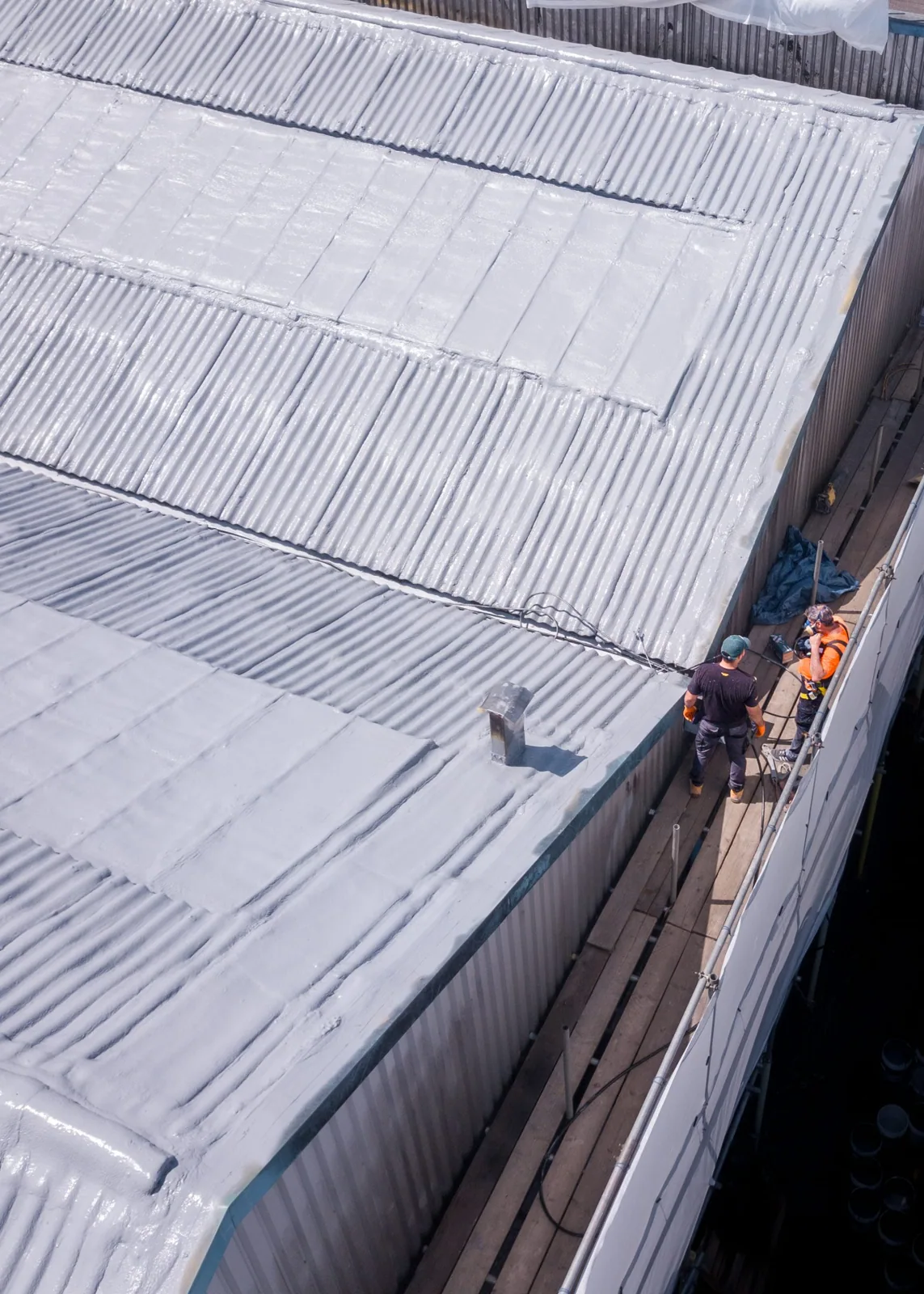
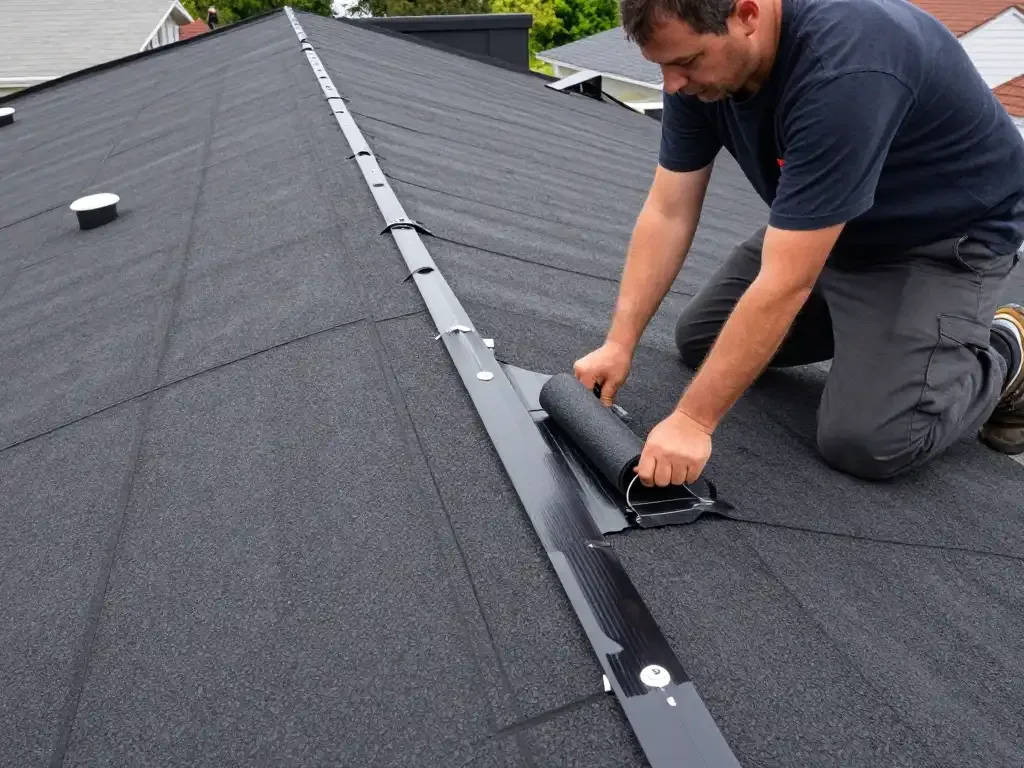
PVC field membrane is only one part of a low-slope assembly. The inspection also follows the material through seams, wall terminations, curbs, expansion joints, drain bowls, and equipment penetrations. We note open welds, cuts, patches, surface wear, movement at transitions, and areas where water persists after precipitation. A photograph should include enough surrounding detail to identify the roof zone and show how the membrane meets the adjoining surface. That context helps distinguish a local repair from a condition that reaches beyond the visible seam.
The installation method and specified components need to match the project documents and substrate. We record whether the current assembly appears adhered or mechanically attached where that can be determined, but do not infer concealed attachment from surface appearance alone. If an unknown layer or deck condition could change the decision, the scope can identify a test opening and explain what it would answer. A cover-board and insulation review belongs in that conversation when the assembly may be renewed. Notes remain tied to evidence from the tested location, not automatically extended across the roof.
Roof-zone record: keep test findings bounded
Interior water reports, infrared patterns, and visible membrane defects are separate evidence. We can use a reported leak or thermal image to prioritize inspection, but neither establishes the moisture boundary by itself. A test opening can expose the insulation and deck at a selected point; we photograph the materials, note any wetness or deterioration found, and identify nearby areas that were not opened. If additional testing is warranted, the report says where and why instead of converting one result into a building-wide statement.
The closeout record can show a roof plan with zone labels, dated photos, tested areas, repair details, and exclusions. That file is useful when comparing Sika Sarnafil PVC with another single-ply system or deciding whether a damaged transition can be corrected locally. For example, Holcim Elevate systems and Versico membranes can be reviewed against the same substrate, attachment, edge, and access constraints. The comparison should describe real differences in the proposed assembly, not imply that a manufacturer's name settles the condition assessment.
Local exposure: follow water to the edge
A long-term weather record from Boston Logan places yearly precipitation near forty-five inches and snowfall a little above four feet. On a Lynn roof, those seasonal conditions make the route from field membrane to drain and overflow worth mapping before repairs are selected. It does not tell us whether a particular drain is blocked or whether a roof has a slope problem. We trace the intended route from membrane to drain or scupper, then photograph an actual low area, obstruction, or failed transition. If no defect is visible, the condition log should say so rather than imply a seasonal problem.
Massachusetts coastal communities saw both surge flooding and strong wind during the 2012 Sandy event. At a Lynn Harbor property, a post-storm roof walk can pay attention to edge securement, parapet flashing, wall transitions, and penetrations, while requiring direct evidence before repairs are assigned. Following a storm report, we inspect the membrane, seams, perimeter, and flashings and record the condition found. The Lynn Harbor Port Area and Downtown Lynn also call for different access plans. We document the actual delivery route and work window before setting a daily opening limit or temporary dry-in boundary.
Scope comparison: protect the decision from assumptions
A PVC repair may fit an isolated puncture, seam issue, flashing defect, or damaged drain detail when the surrounding material and substrate can support a compatible repair. We define the preparation, patch or weld, transition, and inspection boundary in the work description. If the same failure returns or a test confirms a broader condition, the owner can compare a larger correction or replacement. A repair scope by roof zone states what is included, what remains untested, and what could change if concealed material is opened.
Recover is not appropriate simply because the existing membrane is PVC. Existing layer condition, attachment, moisture, deck, edge height, drainage, and project requirements all matter. Replacement may allow the owner to address insulation and transitions together, but also means removal, debris, weather exposure, and more coordination below. A recover or tear-off comparison should put these impacts next to the available evidence. Sika Sarnafil can be part of the specified solution after those conditions are understood; it cannot replace the inspection steps that determine whether the assembly can be installed as planned.
Access and sequencing: record the limits before mobilization
We confirm the roof access point, lift area, material staging, delivery route, occupied spaces, and contact authorized to release the work zone. An industrial facility may need to preserve a receiving lane or equipment service route; a Downtown Lynn tenant may need a protected entrance and a quieter work period. The plan records each property's actual conditions rather than assuming the same setup for all buildings. If equipment or another trade must move before flashing can be completed, that coordination appears as a hold point in the sequence.
A shift should finish with every opened area inspected and protected against weather. The daily record can include substrate preparation, field welds, penetration flashing, drains, and perimeter metal, with photographs tied to the roof map. If concealed material changes the scope, we document the finding and obtain a decision before covering it. Closeout identifies completed work, tested zones, exclusions, and any follow-up inspection. Provide the building use, known leak areas, access contact, and schedule restrictions to arrange a roof walk and a photo-supported comparison.
Commercial Roofing Questions
What does a Sika Sarnafil PVC roof inspection cover?
We inspect the membrane, seams, flashing, penetrations, edge details, drains, and visible repairs, then mark conditions by roof zone. Where concealed insulation or deck condition could change the scope, we explain whether a test opening is warranted. The report distinguishes visible findings from any unconfirmed area.
Can a PVC membrane be patched without replacing the roof?
A local patch may fit a bounded defect when the surrounding membrane and substrate are suitable and the repair material is compatible. We identify the affected detail, preparation, tie-in extent, and any nearby area that remains untested. Repeated or broader failures may call for a different scope comparison.
How do Lynn weather conditions affect PVC roofing work?
Regional precipitation, snow, freezing temperatures, and coastal exposure make drainage, safe access, and dry-in timing relevant. Those conditions guide planning but do not diagnose a particular assembly. We schedule around actual forecasts and record the observed state of seams, edges, and water paths.
What information helps price a Sarnafil replacement scope?
Share available roof plans, existing system records, known leak locations, building use, access rules, and operating windows. A roof walk confirms visible conditions; test openings may be needed if concealed layers can change removal. The scope should state assumptions and exclusions before they become change items.
Request a Sika Sarnafil roof assessment
Provide the building use, existing system if known, affected roof zones, access contact, and available work window. We will return a dated condition record with repair and replacement options.
Back to Roofing Manufacturers.