
Holcim Elevate Roofing in Lynn, MA
A Holcim Elevate label on a roof plan should connect to a real assembly, not stand in for one. For a Lynn industrial, warehouse, or occupied commercial building, we start by identifying the existing membrane and recording its seams, attachment, drains, penetrations, and edge details by roof zone. Holcim Elevate's commercial portfolio includes UltraPly TPO and RubberGard EPDM systems. Those names help narrow a specification, while substrate condition, layer history, transitions, and the building's operations determine what repair or replacement scope can be supported.
The property's operating setting changes the walk: Lynnway Park has warehouse, processing, storage, and industrial uses; the port area serves water-dependent business; Downtown Lynn includes active storefronts and cultural activity. The roof still needs its own condition findings. Our inspection record ties dated photos to roof zones, flags suspected conditions for testing, and gives the owner a clear distinction between the visible finding and the next decision.
Review Holcim Elevate roofing options for Lynn buildings with a field record of seams, edges, drainage, substrate, operating limits, and repair choices.
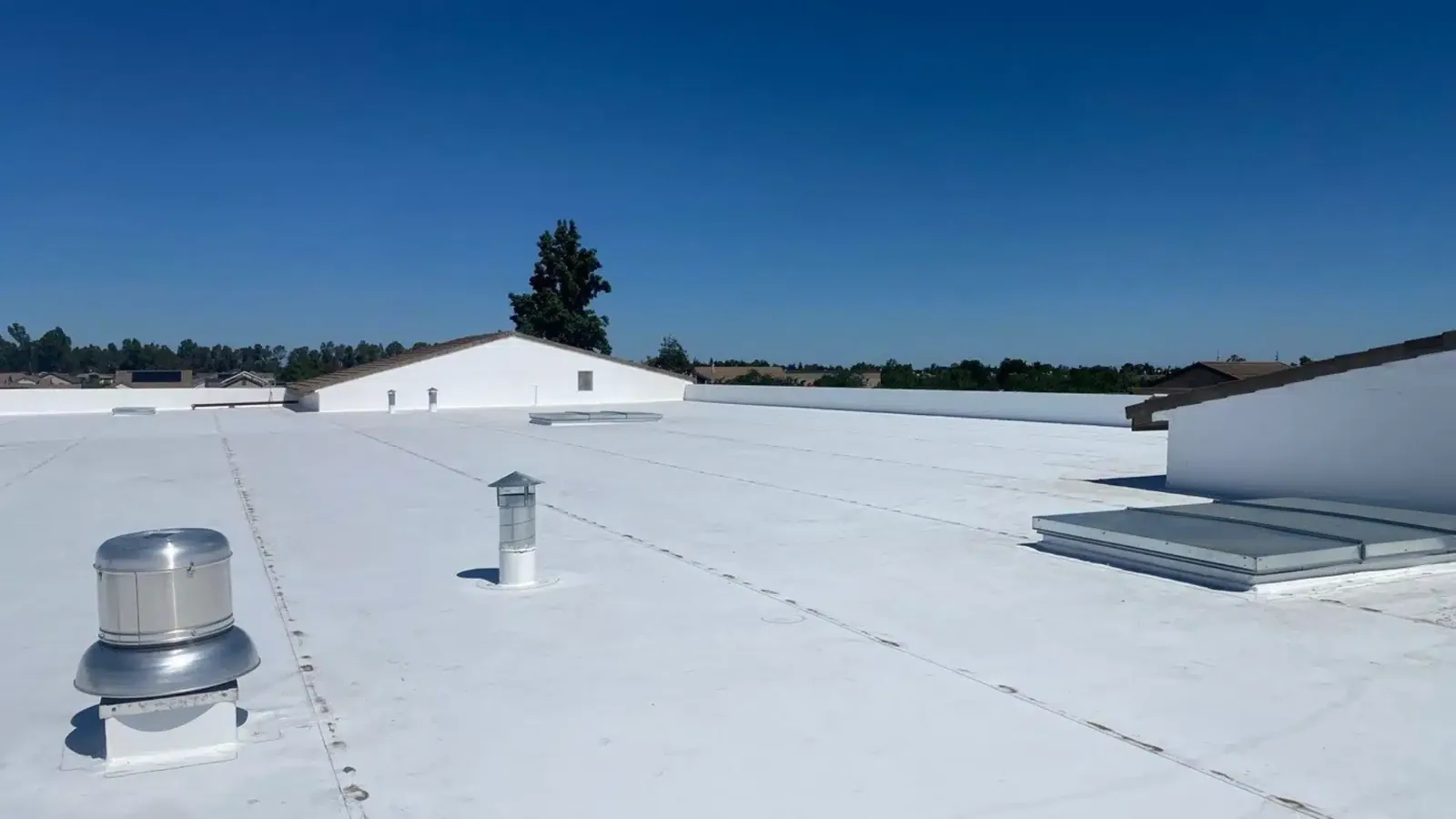
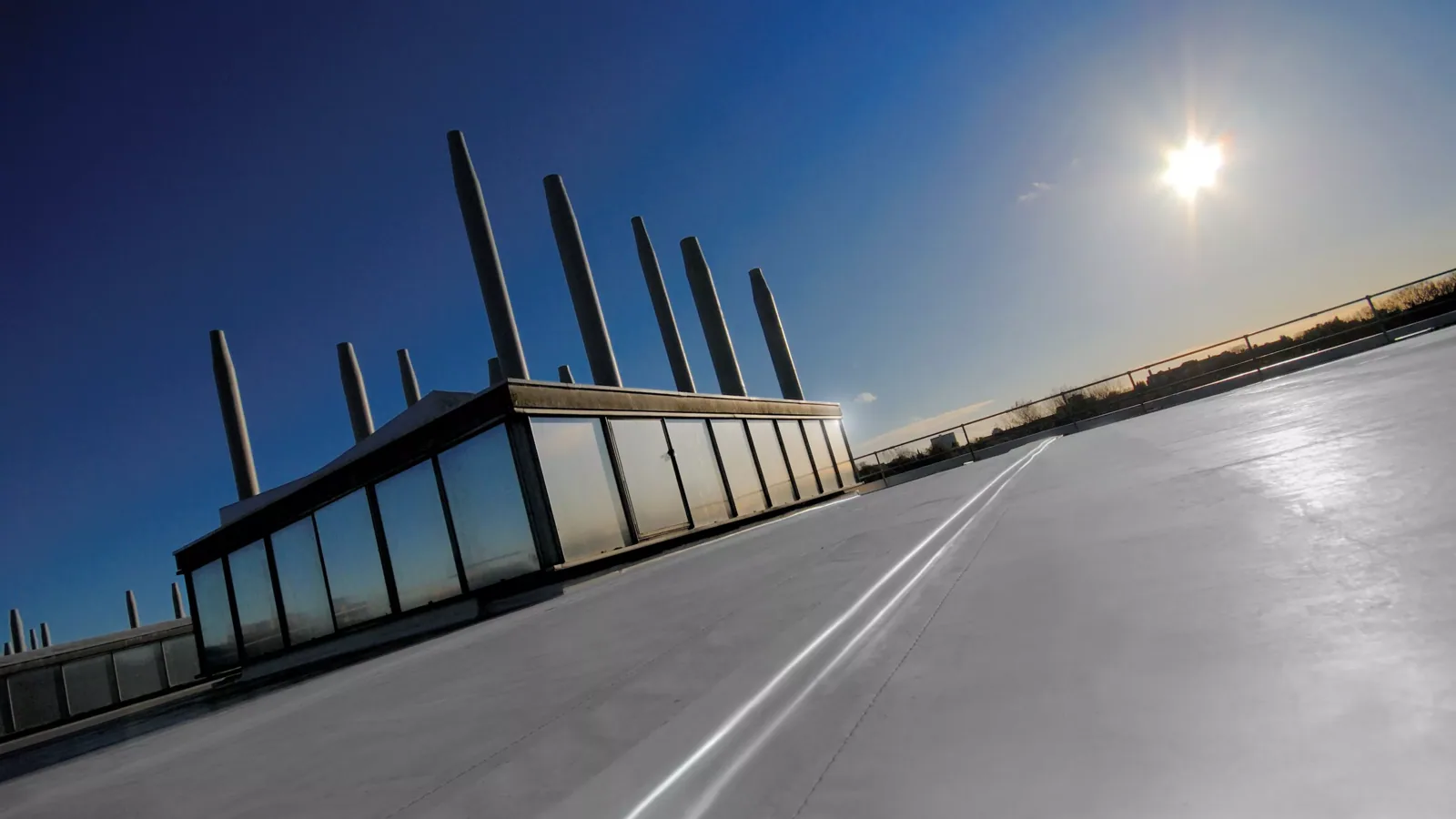
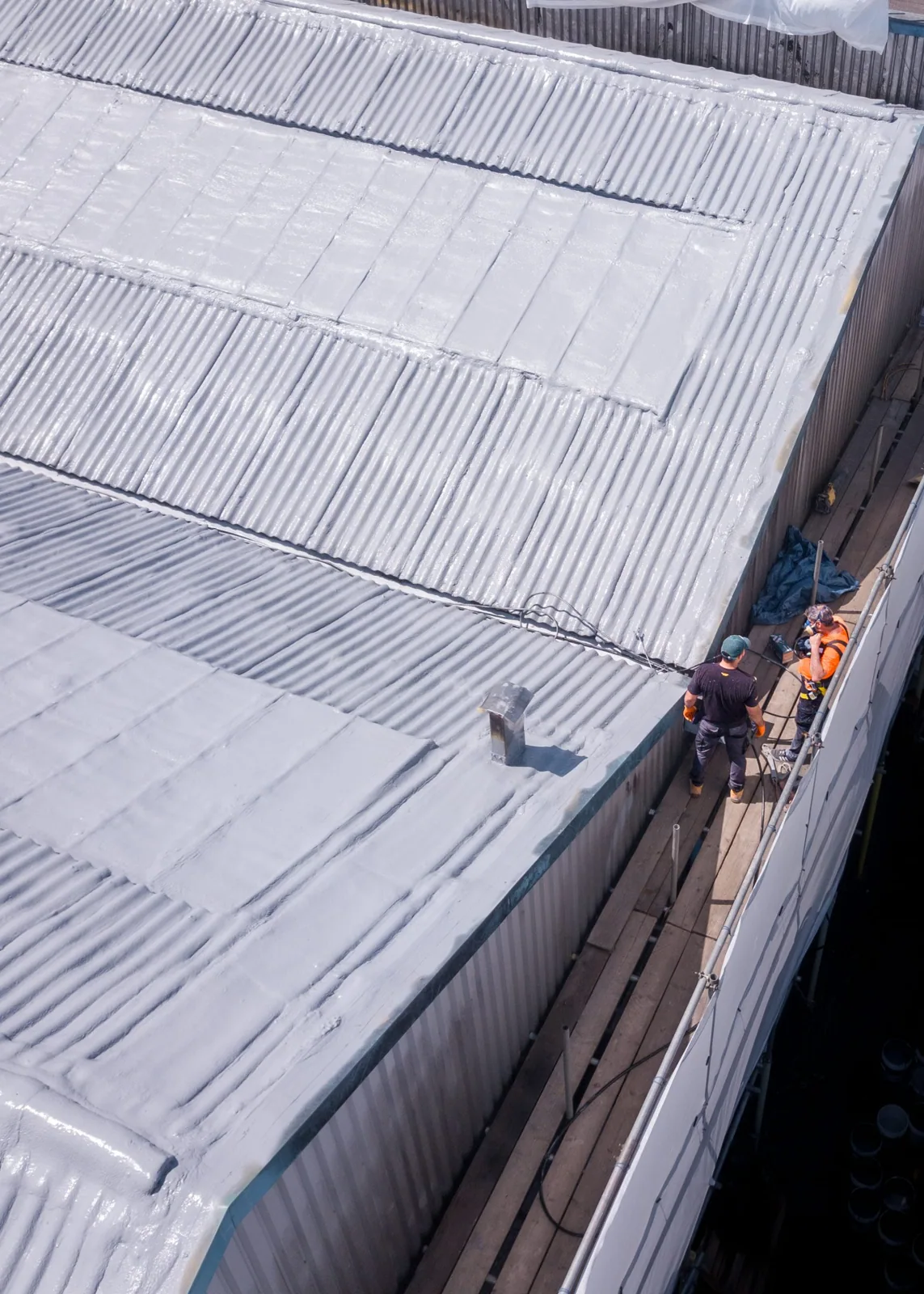
System options: read the product against the roof
UltraPly TPO is a thermoplastic single-ply membrane; RubberGard EPDM is a rubber roofing system. Their seams, flashing materials, and installation details differ, so the choice cannot be made by color or brand alone. We document the existing roof, deck and insulation evidence, drainage layout, edge conditions, equipment curbs, and expected access before comparing a new assembly. If the project involves an existing single-ply roof, we identify the membrane first and avoid specifying a repair material until compatibility is understood.
A Carlisle SynTec assembly or Johns Manville system may also be considered when the owner is comparing portfolios. The comparison should describe the components, attachment, perimeter securement, flashing, insulation, and the conditions each option assumes. Where an existing roof has multiple layers or an uncertain history, a test opening can confirm conditions at a chosen point. The record identifies the tested point and the layers found there; additional openings can be scoped where another roof zone could change the tear-off or recover decision.
Roof-zone record: separate visible damage from suspicion
Diligence Notes should identify open or irregular seams, punctures, loose terminations, prior patches, surface deterioration, and failed flashing at walls or curbs. We take photographs from more than one angle where a detail is difficult to read and mark each item on a roof-zone plan. A ceiling stain may direct attention toward an area, but water can travel within an assembly before appearing inside. The condition log records the reported room or process area separately from the roof condition actually observed above it.
When the recommendation depends on concealed insulation or deck condition, we describe the reason for opening a test area and what the result will answer. An infrared scan can help prioritize a location, but a pattern is not confirmation of wet insulation. If moisture is found, the report records the tested material, depth, and boundary. A photo-based condition file should distinguish the measured area from any nearby section that was not tested. The owner can then compare a localized correction with a broader scope without treating suspicion as a confirmed quantity.
Local exposure: make drainage and perimeter details legible
A Lynn Holcim Elevate system review should put field details beside the area's precipitation load: nearby Boston Logan records 44.52 inches of annual precipitation, with 48.2 inches of snowfall in an average year. We trace drains, overflows, walls, and perimeter transitions, then compare their observed condition with the proposed TPO or EPDM assembly and its product requirements.
Sandy brought coastal flooding to Massachusetts in 2012. When a property near Lynn Harbor reports a post-storm change, we inspect the edge metal, wall flashing, seams, penetrations, and interior areas connected to that report, then document any lifted metal, open seam, puncture, displaced screen, or tested wet material. The system recommendation follows the detail found at the building. The Lynnway corridor has active traffic and multiple transportation connections; the property contact confirms the delivery window and access plan.
Scope comparison: price only a defined boundary
A localized patch may fit a single seam, flashing, or puncture when surrounding membrane and substrate remain suitable. The repair description should identify material preparation, transition limits, and any area not tested. If failures recur or testing confirms broader moisture, we compare a larger repair with replacement. Our commercial repair scope names the conditions it addresses and distinguishes observed quantities from allowances for concealed work.
Recover is considered only where the existing roof is dry, stable, attached, compatible, and permitted by project requirements. The assessment includes layer count, deck, edge height, drainage, curb interfaces, and loading implications. Tear-off can expose concealed material and make it possible to reset insulation and transitions, but it also changes debris, noise, schedule, and weather exposure. A recover comparison should show those differences and identify what field evidence would change the recommendation. The membrane manufacturer is one input; the complete assembly and actual roof condition remain central.
Access and sequencing: keep the open area controlled
Before mobilization, we confirm the roof entrance, lift placement, delivery route, staging, occupied spaces, and the person who can release the work zone. Lynnway Park's industrial uses may involve refrigeration service, receiving, or production schedules that cannot be blocked without coordination. Downtown Lynn properties can have public entrances or neighboring tenants close to the building. Those specific restrictions belong in the access plan beside the proposed roof boundary. A daily work area should be small enough to inspect, complete, and protect within the available weather window.
If a crew reaches an unexpected deck or insulation condition, we document it and hold at a defined point before covering the area. The owner receives the location, photographs, test results if any, and the change required for a decision. Closeout photos show seam or lap work, flashing, edge treatment, drains, and any temporary tie-in that needs follow-up. The file also notes exclusions and unresolved areas. Before approval, compare membrane thickness, attachment, insulation transitions, edge details, and closeout documents so proposals describe the same assembly. Record owner maintenance responsibilities beside installed details. Share the building use, known leak zones, access contact, and preferred work hours to request a roof walk and an assembly-specific comparison.
Commercial Roofing Questions
What is the difference between UltraPly TPO and RubberGard EPDM?
They are different single-ply system families with distinct membrane materials and seam and flashing details. We identify the existing roof first, then compare the proposed assembly, attachment, transitions, and project constraints. A system name cannot confirm that a recover is suitable or reveal the condition of concealed layers.
Can a Holcim Elevate system go over an existing roof?
A recover requires evidence that the existing assembly is stable, sufficiently dry, compatible, and permitted for the project. We review layer count, deck, edge height, drainage, and transition conditions, using test openings where concealed material could change the scope. The report identifies what was tested and what remains unconfirmed.
What should the owner receive after a Holcim Elevate roof repair?
The closeout file should identify repaired roof zones, materials, seam or flashing observations, photos, and any excluded or untested areas. If a concealed condition changed the work, the record should show the finding and the owner's scope decision. Those details make future comparisons more useful than a product label alone.
Does a Lynn Harbor location establish storm damage?
No. Coastal exposure and regional storm history help focus the inspection on edges, wall transitions, and drainage, but damage must be found at the building. We document visible displacement, punctures, separated seams, or tested wet materials and keep the recommendation within that evidence-supported boundary.
Request a Holcim Elevate assembly review
Tell us how the building is used, which roof zones need attention, the existing system if known, and who can arrange access. We will prepare a dated, photo-supported scope comparison.
Back to Roofing Manufacturers.