
Soprema Roofing in Lynn, MA
A Soprema system can involve modified-bitumen sheets or liquid-applied details, and each brings different substrate and installation questions. At a Lynn commercial property, our first task is to identify the roof already in place: layers, laps, coating, insulation transitions, curbs, drains, and perimeter conditions. We then mark findings by roof zone and determine whether a test opening is needed. The product family becomes useful only after the owner can see what evidence supports a repair, recover, or replacement decision.
Warehouse, food-processing, storage, and light-industrial operations at Lynnway Park may require distinct access plans. Downtown Lynn's storefront, restaurant, and cultural uses can constrain staging near an entrance, while marine-dependent activity around Lynn Harbor affects delivery coordination. These local uses inform timing, not a roof diagnosis. Our inspection record keeps the property's operating limits next to the dated photos and condition log, so the selected scope addresses both the roof and the work window available to complete it.
Review Soprema roofing systems for Lynn commercial buildings with documented assembly, lap, flashing, moisture, drainage, and access findings.
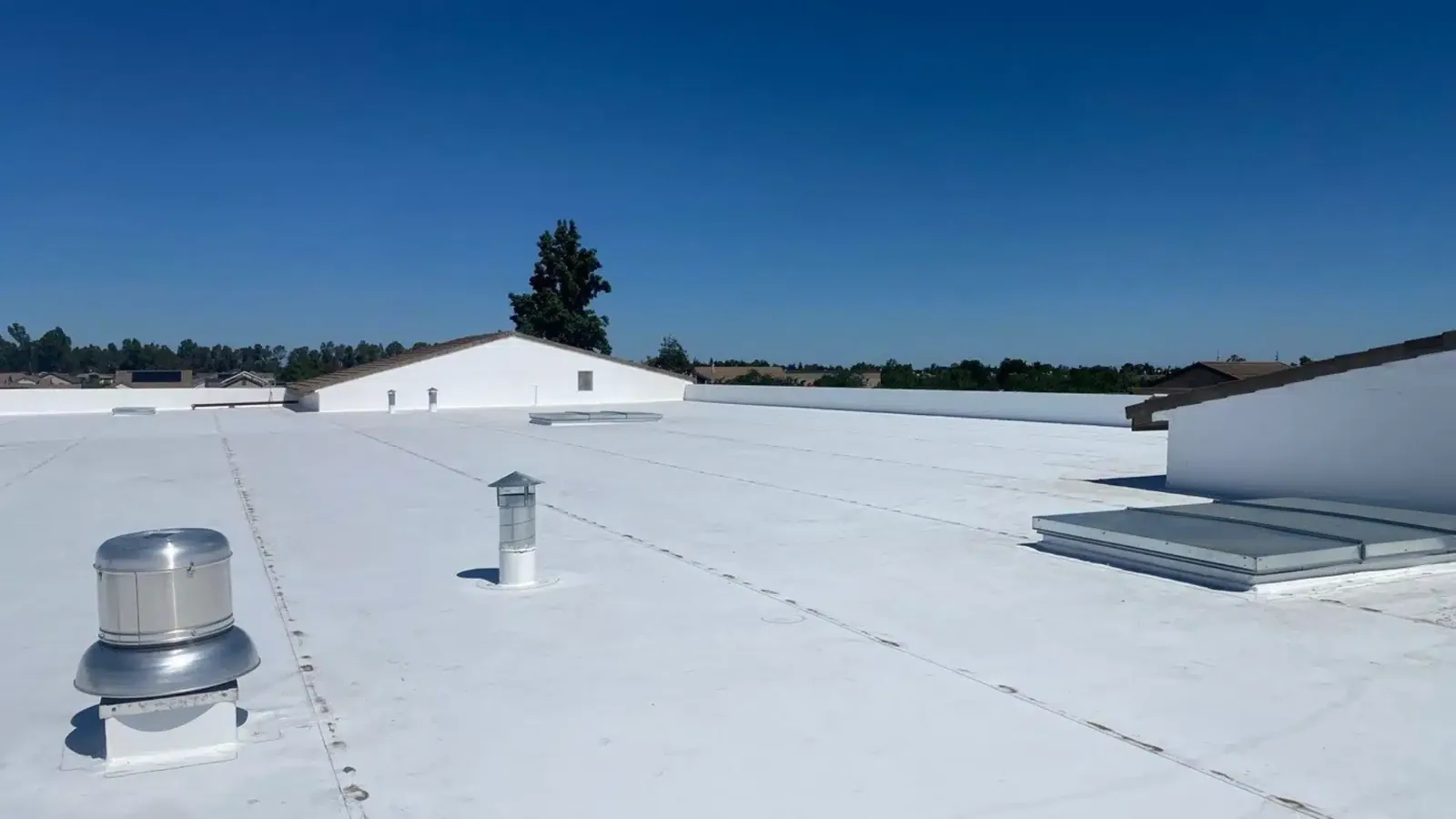
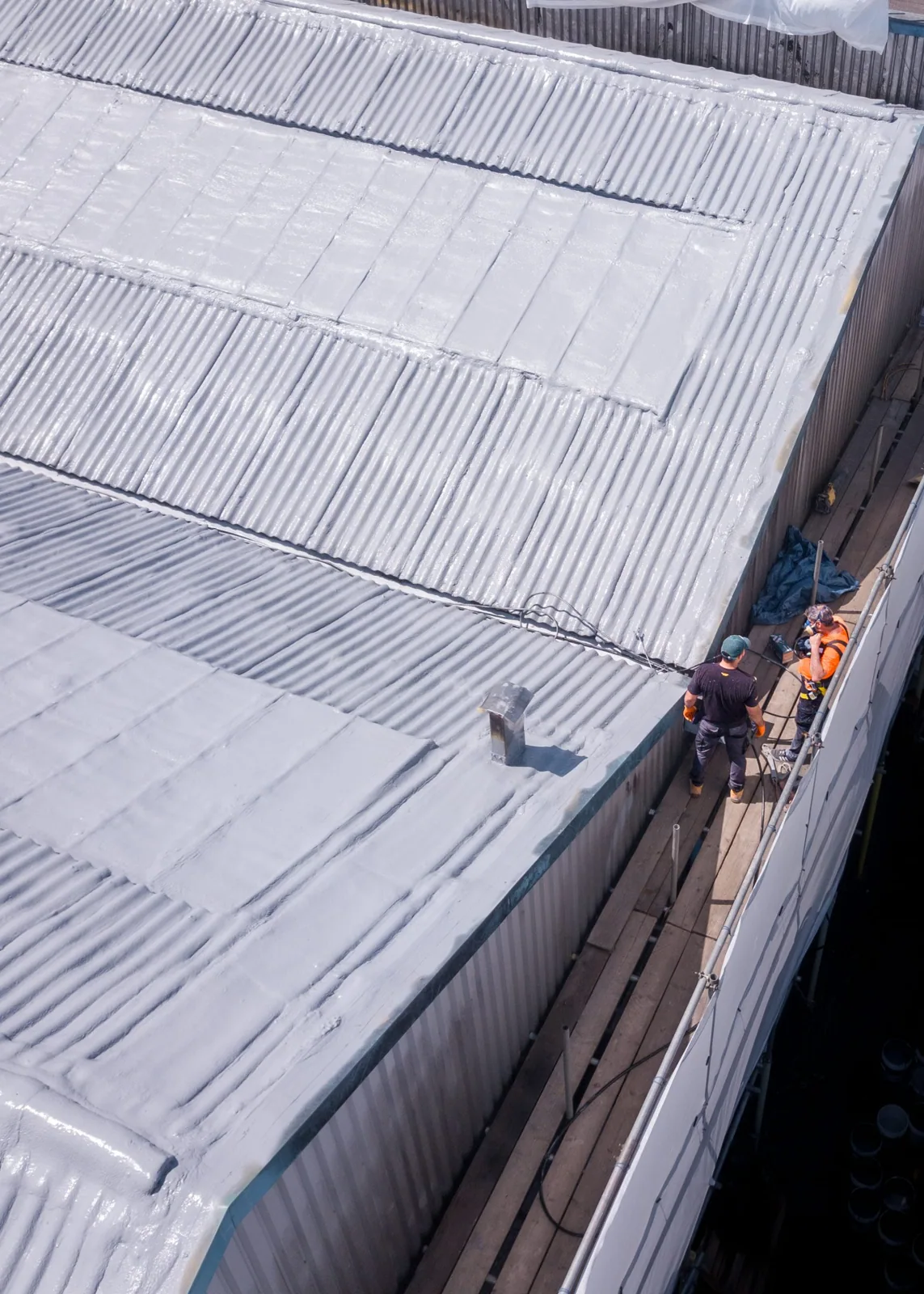
System options: separate sheet goods from liquid details
Soprema manufactures SBS modified-bitumen products and liquid-applied systems such as Alsan. Those families do not answer the same assembly question. A multi-ply modified-bitumen scope needs a clear description of substrate preparation, layer sequence, laps, transitions, and tie-ins. A liquid-applied system requires its own substrate, reinforcement, thickness, and curing requirements as defined in the project documents. We compare the proposed materials with roof condition, access, slope, drainage, and the surfaces where each system will terminate.
For an owner comparing manufacturers, a Johns Manville modified-bitumen option or a GAF commercial assembly can be reviewed against the same roof zones. The written comparison should distinguish a product specification from a complete scope: insulation, cover board, edge metal, flashing, drains, and temporary dry-in may all affect cost and sequence. If the existing roof has a coating or uncertain layer history, visual identification may be limited. A test area or project records may be needed before choosing an overlay or removal plan.
Observed condition: document laps and transitions
For a modified-bitumen roof, inspection notes can identify open or displaced laps, splits, blisters, prior patches, surface loss, and details where water or movement reaches a curb or wall. For a liquid-applied repair, the relevant record includes the existing coating or membrane, surface preparation, reinforcement transitions, and visible separation. We photograph conditions with surrounding context and add a roof-zone label. A surface irregularity can indicate a need for closer inspection; it does not alone establish what is happening under the membrane.
Reported leakage and concealed moisture require separate documentation. A thermal scan may help prioritize a location, but a test opening is what exposes the assembly at that point. We record the layers, substrate, and material condition found, then mark adjacent areas that remain untested. A moisture survey with targeted follow-up should not be read as a moisture quantity without confirming evidence. A roof condition report can preserve that distinction and show which finding supports each proposed repair boundary.
Local exposure: connect weather to water management
At Boston Logan, a normal year brings about four feet of snow and close to forty-five inches of precipitation. That seasonal pattern gives the inspection a reason to map low points and discharge routes, not a basis to declare a leak or overload. They do not show whether a roof is leaking or indicate its exact snow load. We trace the surface water path and photograph any actual obstruction, failed drain detail, ponding area, or wall transition. If no condition is found at a location, the report can say that plainly rather than infer a roof problem from rainfall totals.
Sandy's 2012 passage left a record of coastal inundation and high wind across parts of Massachusetts; any present repair still needs roof-level evidence. For buildings near Lynn Harbor, an owner may want a post-event review of perimeter securement, laps, flashing, and penetrations. The event itself does not prove damage at a specific building. We record evidence such as displaced metal, newly opened seams, punctures, or material confirmed wet through testing. At Lynn Harbor, the work sequence also needs to account for a property's actual marine or industrial access rules; the named area is context for planning, not a substitute for confirming the site conditions.
Scope comparison: match the proposed repair to the layer
A localized repair is most defensible where the defect is bounded and adjacent layers remain suitable. We state whether the work involves a lap, flashing, coating transition, penetration, or drain, then identify material preparation and tie-in extent. If the same condition appears across several zones or testing identifies wet insulation, we compare a broader correction or replacement. Our repair scope should include the observed boundary, areas excluded from testing, and any allowance that depends on concealed findings.
A recover can be considered only after reviewing stability, moisture, attachment, compatibility, layer count, deck, edge height, drainage, and project limits. Full removal may expose conditions that cannot be confirmed from the surface and can make it possible to reset insulation and transitions, but it also increases debris and weather exposure. A recover or replacement comparison should describe both the physical work and operating impact. A proposed Soprema modified-bitumen or liquid-applied solution belongs in that comparison only when the substrate and project details support it.
Access and sequencing: make every shift reviewable
We record roof access, lift position, staging, delivery path, occupied areas, equipment restrictions, and the contact who can release a work zone. Lynnway Park's industrial operations may need a receiving lane or refrigeration access maintained. Downtown Lynn properties can have customer entrances and neighboring businesses that need an unobstructed path. The work plan shows the actual property constraints, then defines which roof area may be opened during a shift and how the edge will be protected if permanent work cannot be completed before weather changes.
At each hold point, a supervisor can photograph substrate preparation, reinforcement or lap work, flashing, edge conditions, and drain completion before concealment. If the observed assembly differs from the records, we document the difference and request a decision before changing the boundary. Closeout includes a zone map, photos, materials, exclusions, and follow-up recommendations. The owner can then compare future maintenance findings with the work completed. Send the building use, existing system if known, leak locations, access contact, and working hours to request a roof walk.
Commercial Roofing Questions
What Soprema roof systems are relevant to commercial buildings?
Soprema offers SBS modified-bitumen products and liquid-applied roofing products, including Alsan systems. The appropriate option depends on the substrate, existing assembly, transitions, project requirements, and installation conditions. We document those factors before putting a system into a repair or replacement scope.
How do I know whether an existing roof can take a liquid-applied repair?
The existing surface and its bond, cleanliness, moisture, movement, and compatibility with the proposed system need review. We identify the substrate, map the affected zone, and specify any preparation or test area needed. A coating should not be prescribed from a leak report or product name alone.
Can a modified-bitumen roof be repaired one area at a time?
A bounded repair may work when the affected laps or flashing are isolated and the adjacent assembly remains serviceable. We define the tie-in and preparation, then note any nearby condition that needs testing. If failures recur or moisture extends beyond the patch area, a larger scope comparison may be more appropriate.
What Lynn-specific details should appear in the work plan?
The plan should reflect the building's own delivery route, access rules, occupied areas, and work hours. Lynnway industrial sites, Downtown Lynn storefronts, and harbor properties can have different constraints. We confirm the actual site conditions and set a daily opening and dry-in boundary around them.
Request a Soprema roof inspection
Share the building use, existing roof system if known, affected zones, access contact, and work-hour limits. We will document visible conditions and prepare a photo-supported scope comparison.
Back to Roofing Manufacturers.