Duro-Last Roofing in Lynn, MA
A Duro-Last PVC proposal for a Lynn commercial building should be tested against the actual roof, not accepted as a shortcut around it. We identify the existing membrane and assembly where visible, then document seams, penetrations, drains, edge metal, curbs, and previous repairs by zone. Duro-Last describes its PVC membrane as custom-fabricated, with factory-welded seams. The project still depends on field conditions, detailing, substrate, and installation requirements. The owner needs a condition log that shows what the selected system addresses and what remains concealed.
Lynnway Park's commercial mix includes food processing and cold storage alongside warehouse and light-industrial uses, so the access plan needs the individual operator's receiving and equipment schedule. Downtown Lynn's mixed commercial activity can bring tenant entrances and public paths closer to the work, while the port area includes marine-dependent industrial uses. None of those place facts predicts a roof assembly. Our roof inspection pairs a marked zone plan with dated photos, operating constraints, and any recommended test opening before a repair or replacement scope is priced.
Review Duro-Last PVC roofing for Lynn properties with a zone-based record of seams, penetrations, substrate, drainage, access, and scope limits.
System options: review fabrication and field detailing
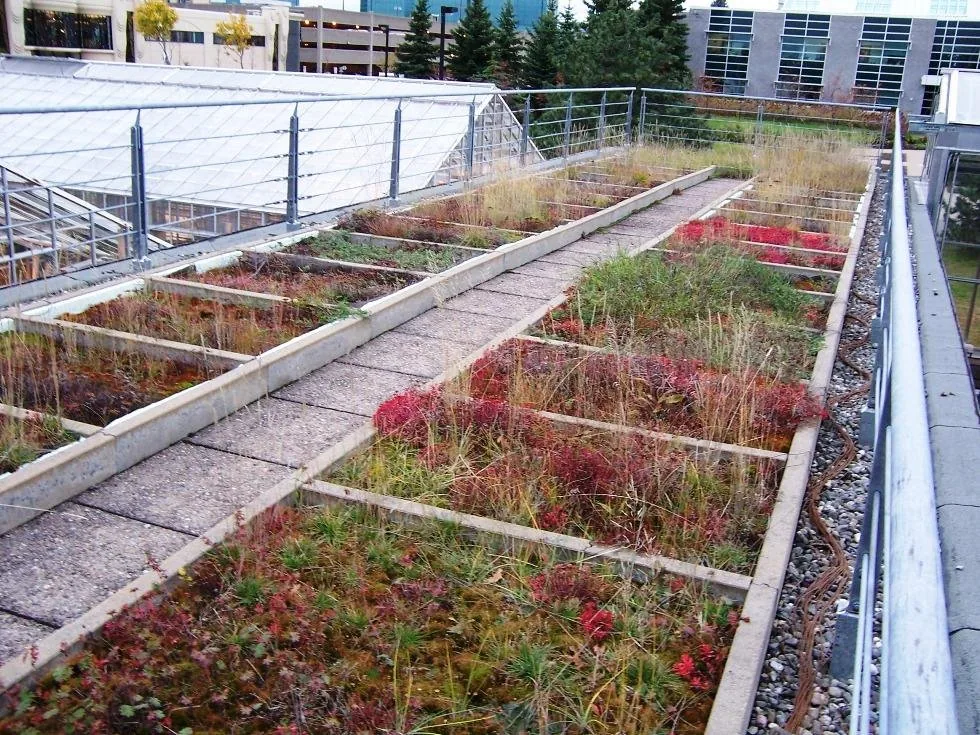
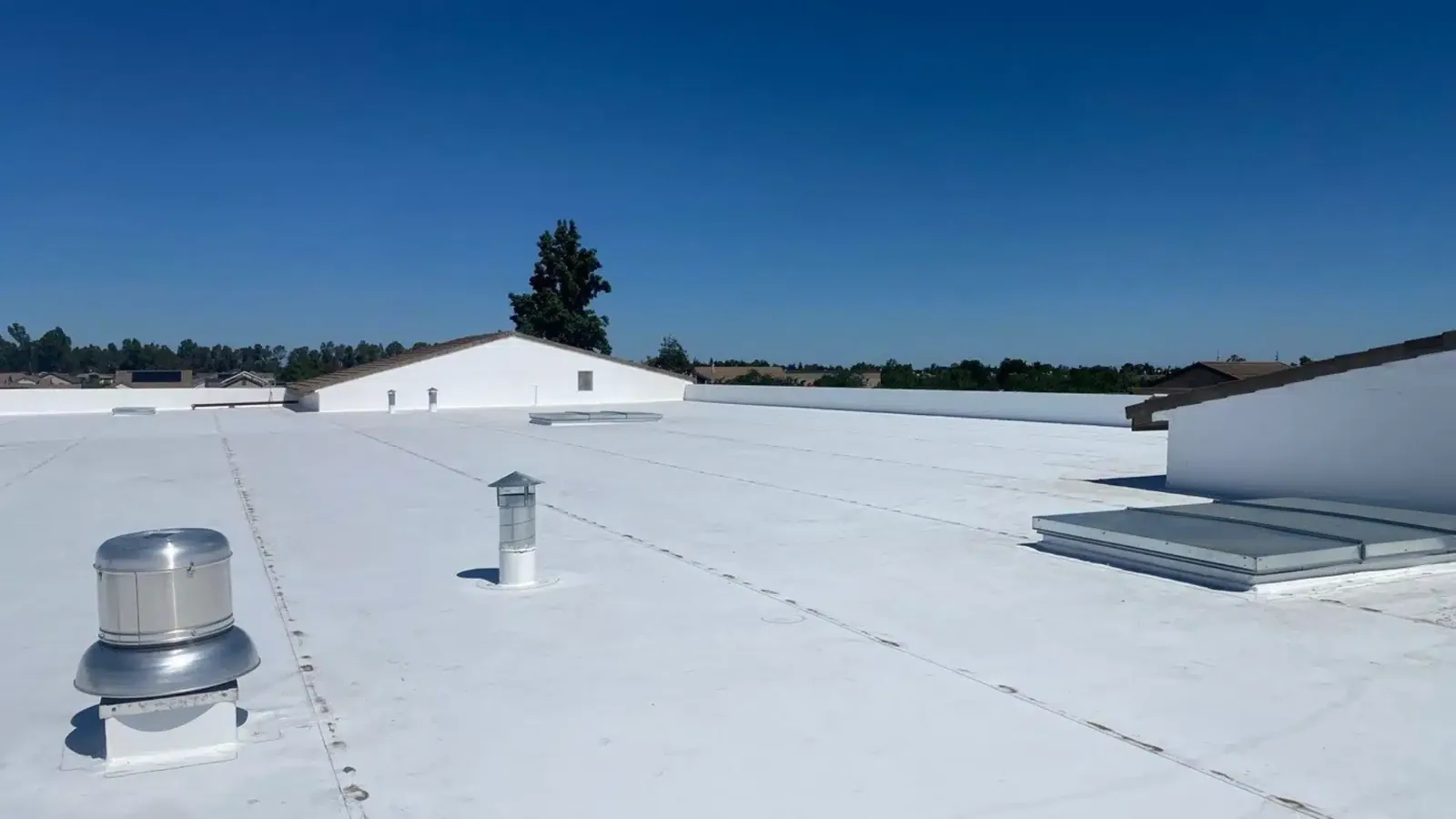
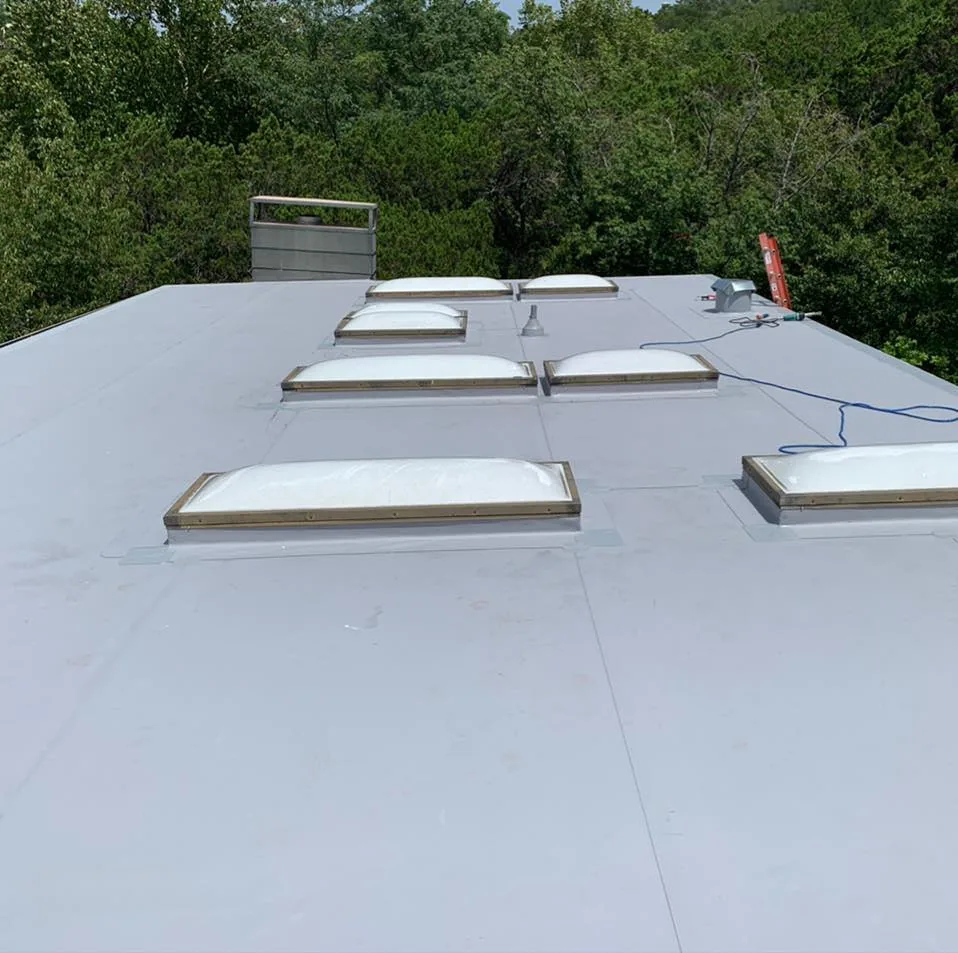
Factory-fabricated membrane sections can affect the number and location of field seams, but the final layout must suit the roof geometry, equipment, and access path. We review the proposed panel map, field joints, flashing transitions, penetrations, drains, and perimeter termination. A factory weld is not evidence about the condition of an existing curb or wall detail. We record how each roof zone will connect and where the crew may need to form or repair details in the field.
When the owner is comparing systems, a Versico TPO or EPDM assembly and GAF commercial membrane can be assessed using the same building facts. The comparison should set out membrane type, attachment, insulation and cover board, seam plan, flashing materials, and maintenance considerations. If the existing roof has multiple layers, uncertain attachment, or suspected moisture, the plan needs an investigation step before assuming a recover is possible. System selection should follow the roof and the project documents, not the convenience of a product label.
Observed condition: map seams and penetrations
We record open or irregular seams, punctures, patches, surface wear, loose metal, failed flashing, and movement where the membrane meets a curb or wall. Each observation is placed on a roof-zone plan, with a photo that includes enough context to recognize the detail later. A leak reported in a room below helps direct the walk, but water can travel before it appears indoors. The condition report therefore keeps the owner-reported symptom distinct from the roof opening that is actually visible.
Where concealed insulation or deck condition could change the recommended scope, we can identify a test opening and the decision it will inform. The report records the layers and material condition exposed at that point, along with nearby areas left untested. An infrared scan may help prioritize investigation, but it does not confirm wet insulation on its own. A moisture survey with confirmatory testing is most useful when its limits remain explicit. The owner can then compare a local repair, a larger replacement boundary, or an allowance for concealed material on a consistent evidence record.
Local exposure: make the water route part of the review
At the nearby Logan station, yearly precipitation totals 44.52 inches and snowfall totals 48.2 inches. The roof record pairs that seasonal context with actual drain flow, low areas, and the access available for inspection. We follow the field toward drains and scuppers, noting actual obstructions, low areas, damaged bowls, or flashing that has separated. If water is moving as intended, the record should preserve that observation rather than create an unsupported defect.
Hurricane Sandy brought coastal flooding and strong winds to portions of the Massachusetts shoreline. Around Lynn Harbor, a post-event review can include perimeter metal, wall transitions, penetrations, and the water path at roof edges. The event is not a condition assessment; direct evidence is needed before work is assigned. We photograph displacement, open seams, punctures, interior water reports, or tested wet materials. For work in Saugus, the owner confirms loading and equipment routes before materials are staged. The visit records the actual site's access and work window.
Scope comparison: set the repair boundary in writing
A local PVC repair may fit a bounded seam, puncture, flashing, or drain condition when the adjacent membrane and substrate can support compatible work. We describe the surface preparation, materials, tie-in, and inspection limit. If several zones show recurring failure or testing finds moisture beyond the visible defect, the owner can compare a broader correction with replacement. A roof repair scope should show the evidence behind the boundary and identify which nearby conditions were not opened.
A recover may be considered only after reviewing existing layers, moisture, attachment, deck, edge height, drainage, compatibility, and project requirements. Replacement may address the assembly from the substrate upward, with more removal, debris, noise, and weather exposure. A recover-versus-removal review should list those work differences, assumptions, and hold points. The Duro-Last panel layout can be discussed once the roof survey identifies dimensions and details; it does not eliminate the need to inspect the deck, edges, and penetrations.
Access and sequencing: plan around the open roof
Before mobilization, we confirm the hatch or ladder, lift area, delivery route, material storage, occupied spaces, equipment restrictions, and authorized site contact. Lynnway Park operations may need truck and service access maintained. Downtown Lynn can require separation from active entrances and nearby businesses. We record the property's specific controls and establish which roof zone may open during each shift. The amount of area exposed should fit the available crew time and weather window, with a temporary dry-in plan for any transition that cannot be finished that day.
Quality review happens while details remain visible. Photos can record substrate preparation, field seams, perimeter work, curbs, drains, and temporary protection before the assembly is closed. If a test reveals an unexpected layer or deck condition, the supervisor documents the finding and pauses at the agreed boundary until the owner selects a change. Closeout identifies completed zones, materials, excluded areas, test results, and follow-up items. Share the building use, known water entry, roof plans if available, access contact, and operating hours to arrange a roof walk.
The inspection record can separate factory-fabricated sections, field-formed transitions, and repair seams. Note which details were reviewed, who accepted the work, and any area that could not be checked before closeout.
Commercial Roofing Questions
What does Duro-Last mean by a factory-fabricated membrane?
Duro-Last describes its PVC membrane as custom-fabricated with factory-welded seams. A project review still needs to address the field layout, remaining seams, flashing, penetrations, substrate, and perimeter conditions. We compare those details with the roof geometry and the work sequence before finalizing scope.
Can a factory-fabricated roof eliminate field inspection?
No. The roof still has transitions, drains, curbs, perimeter details, and field connections that must be installed and reviewed. We document the assembly while work is visible, then record completed zones and any tested or excluded areas in the closeout file.
Will Duro-Last work over the existing membrane?
That requires an assessment of layer count, attachment, moisture, deck condition, edge height, compatibility, and project rules. We may recommend a test opening where concealed conditions could change the answer. The written scope states what supports a recover and what remains unknown.
What should a Lynn owner provide before a Duro-Last roof walk?
Send the building use, existing roof records if available, leak locations, access contact, and operating limits. Note whether truck lanes, food handling, occupied entrances, or equipment service need uninterrupted access. We use those constraints to set an inspection route and a realistic work window.
Request a Duro-Last roof walk
Provide the building use, existing assembly if known, affected zones, access contact, and schedule limits. We will document visible conditions and prepare a photo-supported system comparison.
Back to Roofing Manufacturers.