
Commercial Roofing in Shirley Avenue District, Revere, MA
A commercial roof in Revere's Shirley Avenue District sits within a corridor that connects Bell Circle and Revere Beach, alongside both commercial and residential activity. The district's revitalization work includes business and community partnerships, so access and scheduling should be coordinated with the actual property contact rather than assumed from a map. We begin by confirming how the building is used, which roof zones can be reached, and where a visible seam, flashing, or drainage condition may affect the space below. Every finding receives a dated photo and a location on the roof plan.
The corridor context helps define the service area; it does not establish a roof's age, membrane, or condition. We inspect the assembly visible at the property, record the path to drains and scuppers, and separate owner-reported water entry from a defect confirmed above. The sequence can then reflect resident and business access without projecting one site's requirements onto another. A commercial roof inspection gives an owner a condition log that can be used to compare a limited repair with further testing or a wider scope.
Plan commercial roof repair in Revere's Shirley Avenue District with a site-specific record for water entry, access, flashing, and work sequencing.
District use: keep community access in the work plan
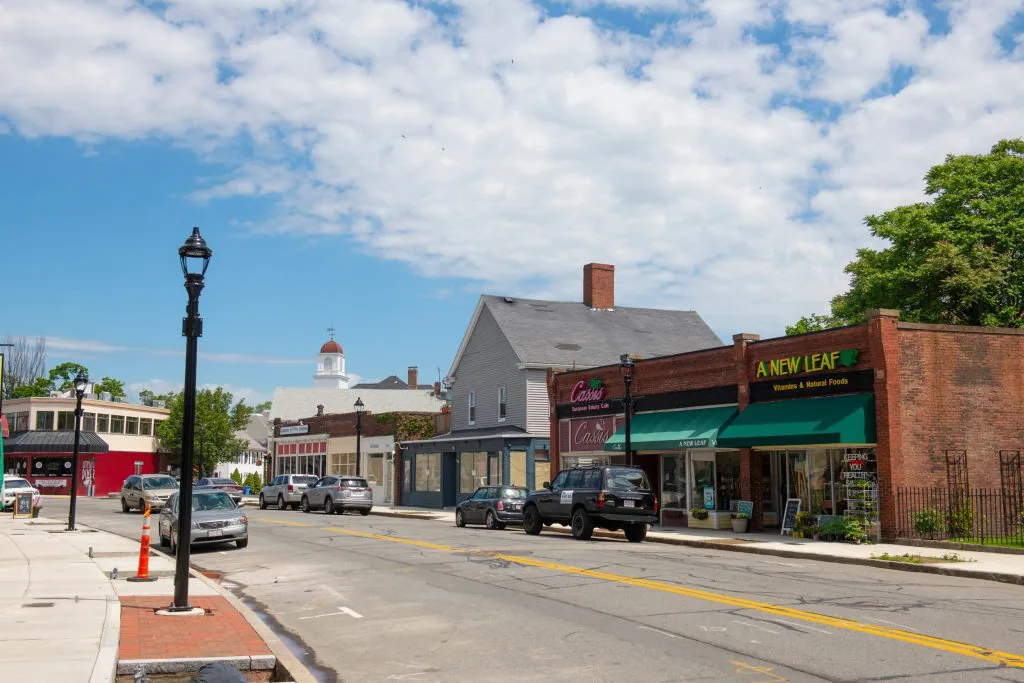
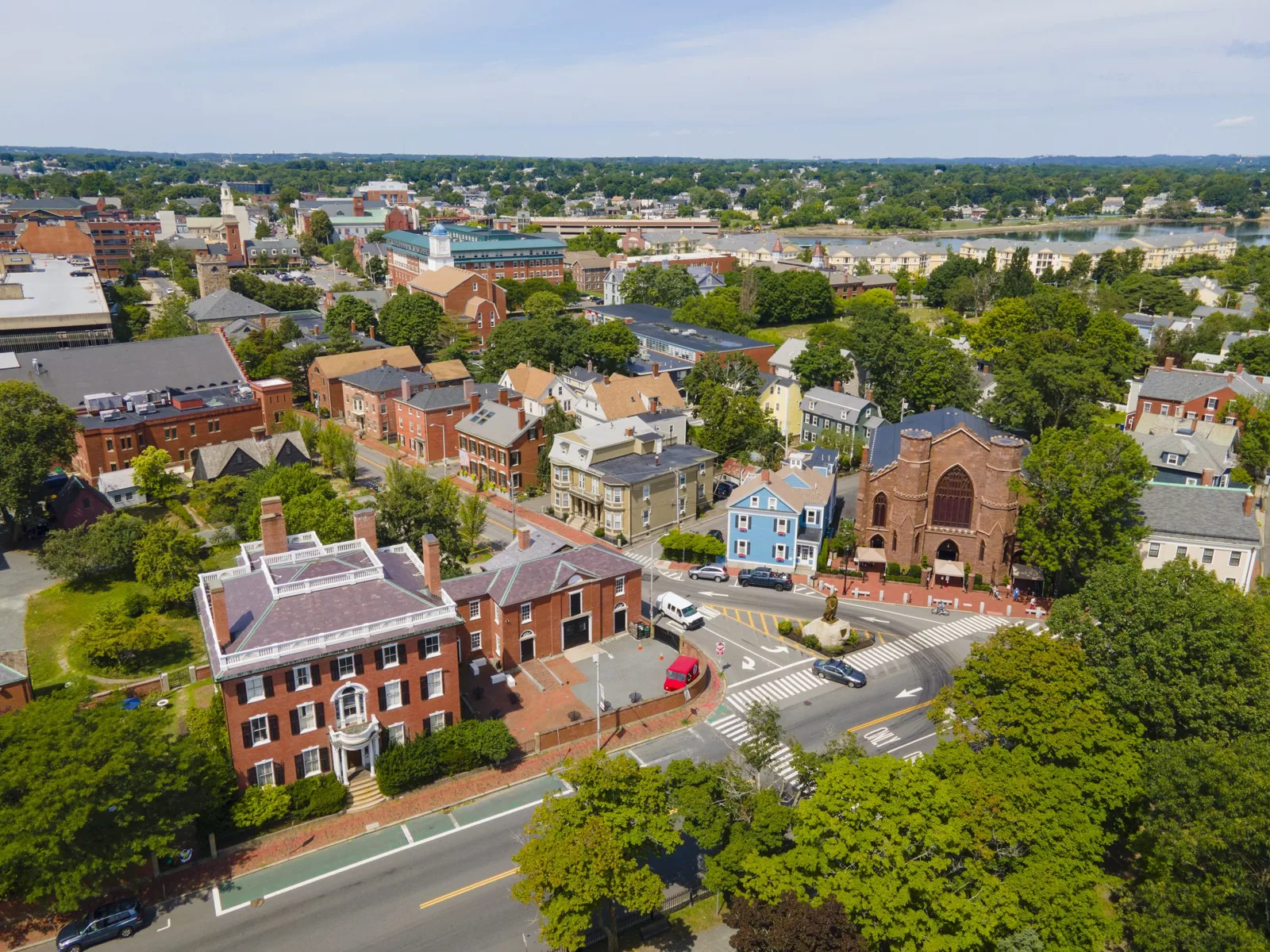
Shirley Avenue's commercial and residential character means a roof scope may affect different kinds of activity around one work area. The manager confirms the property entrance, business hours, resident access, delivery path, and any partnership or neighborhood work that changes the schedule. We do not infer those details from the district plan. Instead, the site contact identifies the path that must remain open and the person who can approve a short closure. The roof map then shows which zone is under repair and where temporary protection or pedestrian control is needed.
Bell Circle and Revere Beach define the corridor's endpoints in the saved local facts. The planning district's revitalization purpose gives the owner a reason to make the work record legible for future coordination, but does not establish that any specific exterior project is underway. We photograph the membrane, curb flashing, drains, edge metal, and prior repairs as found. If an access area is not available, the report identifies what remains unseen. A Broadway Corridor roof review addresses another Revere commercial district, while the Shirley Avenue property's condition stays tied to its own inspection.
Weather exposure: review edges after a reported event
Hurricane Sandy brought coastal flooding along Massachusetts, and a sustained 54-mile-per-hour wind was recorded at Revere Beach. For a Shirley Avenue roof, we inspect actual perimeter metal, coping, flashing, and penetrations after a reported event, then document any observed change by zone. After a reported event, we look for present evidence such as lifted metal, displaced coping, a separated flashing transition, punctures, or water entry with a documented location. The report distinguishes storm context from damage confirmed at the building.
Nearby Boston Logan averages a January mean daily minimum of 24.3 degrees and a July mean daily maximum of 83.2 degrees. That seasonal range makes a protected opening and a clear dry-in plan important during winter or summer roof work; the site contact sets access conditions for the actual building. A wind-damage review should identify the actual perimeter or flashing change and note any area that remains untested.
Roof-zone record: locate the opening before sizing the repair
A ceiling mark or repeated interior drip is a report to investigate, not a roof location until the path is traced. We mark the room and date supplied by the owner, inspect above where access allows, and photograph the membrane, seams, penetrations, wall transitions, and drainage around the suspected zone. If water may travel laterally within the assembly, the report avoids assigning an opening directly over the interior mark without supporting evidence. That keeps the repair line clear when the next decision involves a patch, test, or wider removal.
Where a concealed layer could change scope, we identify a test opening and describe what it will establish. The crew records what is exposed, including layers and substrate condition, then marks adjacent areas that were not examined. Infrared patterns may help choose a location, but they do not replace confirmation. A moisture survey and test plan can narrow the investigation when its limits are stated. The closeout file keeps the finding, the repair boundary, and unresolved conditions together so a property manager can brief a successor without turning one test result into a district-wide conclusion.
Scope comparison: weigh access, testing, and disruption
A localized repair may suit a bounded split, puncture, flashing problem, or drain detail if nearby material can receive a compatible tie-in. We specify preparation, material, repair dimensions, and any adjacent zone left untested. If several details show movement or a test opening identifies broader moisture, the owner may compare a larger correction or replacement. Our commercial roof repair scope separates observed quantity from a concealed-condition allowance and states what evidence would expand the work.
A recover proposal needs a stable, compatible, sufficiently dry assembly and a drainage and edge review before new layers are added. Removal can expose the deck and allow the owner to reset details, but brings material handling, noise, debris, temporary dry-in, and more time with an open roof. The work sequence also needs to protect access below. A recover-versus-tear-off review compares these implications with test findings and project requirements. For a commercial reroof, Massachusetts uses the 2021 IBC as amended in its 10th Edition 780 CMR. The design documents and local permit review establish the requirements for the actual assembly.
Access and sequencing: plan around real schedules
Before materials arrive, we confirm the roof entrance, ladder or lift, staging area, delivery timing, resident route, business hours, and emergency contact. The district's partnerships do not replace a property-specific access plan. The owner or manager identifies the work window and any movement around Bell Circle or the Revere Beach side that affects the actual site. We mark the area that will open each shift and confirm that the crew can inspect and protect it before weather or building activity changes.
If an unexpected layer or deck condition changes the scope, work pauses at the agreed hold point while photos and the test result are reviewed. Closeout should identify completed zones, material, flashing and drain work, temporary protection, exclusions, and follow-up inspection items. For a manager responsible for multiple properties, a separate roof map for each location keeps the building records distinct. A Lynnway Corridor property would need its own route and access notes, just as this Revere roof needs its own dated record. Share the building use, access contact, reported area, and available schedule to request a roof walk.
Commercial Roofing Questions
Does the Revere Beach wind report mean Shirley Avenue roofs were damaged?
No. The recorded wind observation is context for the area, not evidence that a particular building was affected. We inspect the roof and document displaced metal, open flashing, punctures, or water entry if found, then keep the repair recommendation within that observed boundary.
How do you coordinate a roof project in a mixed residential and commercial corridor?
The property manager identifies current hours, resident and customer paths, delivery limits, and who can authorize temporary access changes. We carry those verified site conditions into the sequence and mark the roof zone that can be opened and dried in during each shift.
What is useful to record before a small flashing repair?
Photograph the transition in context, identify the roof zone and date, note the material where it can be confirmed, and describe the visible split or separation. If concealed moisture could change the boundary, we identify the test needed and areas that remain unconfirmed.
Can the roof be repaired while the district is being revitalized?
The district's revitalization work does not determine a property's roof schedule. We coordinate with the current building contact about any active work, delivery route, and access conflict, then set a sequence that protects the work area and documents each hold point.
Request a Shirley Avenue roof inspection
Provide the building use, affected roof zone, reported water entry, access contact, and schedule limits. We will document conditions and define a repair or investigation boundary.
Back to Service Areas.